New dawn for Klerksoord industrial and surroundings as new partnership aims to bring development
Tshwane roads and maintenance teams will visit Klerksoord on Monday, February 19 to assess the roads and devise plans.
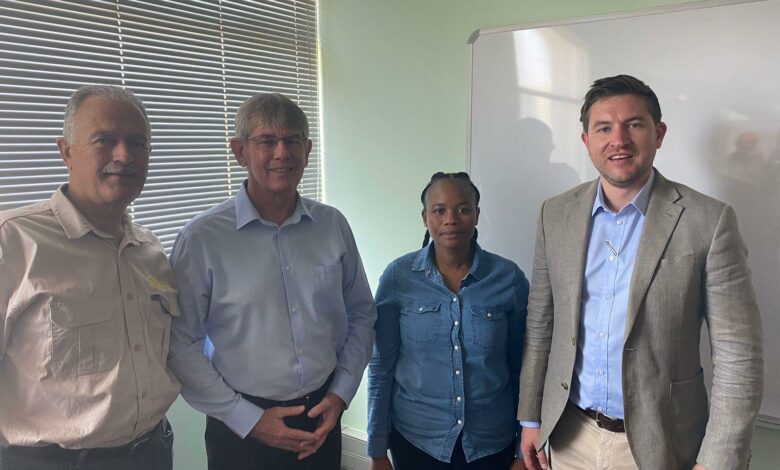
Klerksoord in the north of Pretoria is set to become an industrial centre as a collaborative effort between stakeholders aims to break the cycle of inadequate service delivery and pave the way for economic and infrastructure development.
The partnership between the metro, business community and the Rosslyn Improvement District (RID) comes at a crucial time as businesses have been opening in the area but lacked development.
Klerksoord has been under the spotlight for several months due to a huge sewage issue and spillages.
This collaboration entails that long-standing issues such as the poor road network, poor sewage infrastructure and safety issues are addressed.
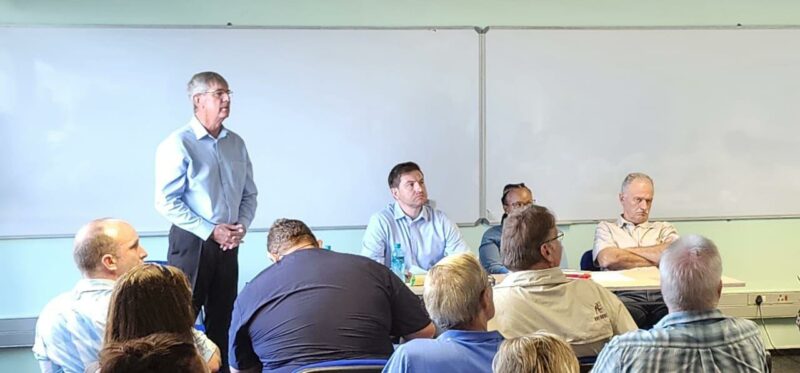
Tshwane mayor Cilliers Brink, the Klerksoord business community and RID met on Thursday, February 15 at Rosslyn to discuss issues and solutions.
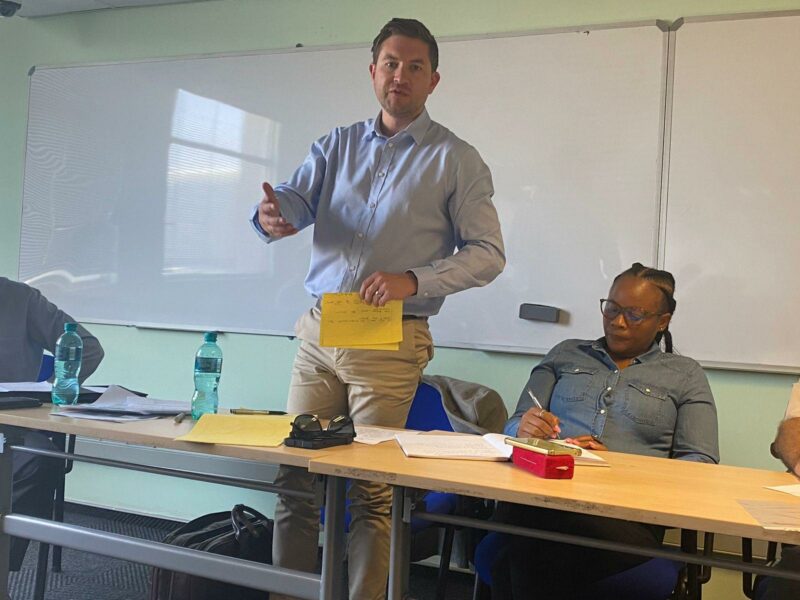
At the meeting, the Klerksoord business community pointed out the poor road conditions due to the poor drainage and storm canal systems.
They said stormwater canal solutions would improve the sewage situation as well as the roads.
Manhole cover theft was also raised as one of the problems that is rising in the area, with the issue of no formal roads as businesses continue to develop however infrastructure development is stagnant.
Brink said with the metro being financially strapped, collaboration between the business sector and government can help improve the Klerksoord situation.
Brink highlighted that with commitment and cooperation between stakeholders, a pathway can be provided for the development of the area to bring about roads and sewage infrastructure development, which will create much-needed opportunities for businesses to grow.
“One of the biggest problems we have in Klerksoord is that not all developments are properly planned. Road networks cannot carry all traffic as more businesses come into the area, storm canals cannot properly channel the water, and sewage pipes also cannot properly carry the sewage,” Brink said.
“We try to plan as best we can but in a free economy you will have developments coming before the planning process, which causes a burden to the already available infrastructure such as roads and water pipes.”
He said much of the Klerksoord area was agricultural land and was not built or never upgraded to deal with industrial activities.
“With all this, we as a city cannot watch and say there’s no proper zoning but what we can do is devise a plan to help the businesses, employ our people and grow the local economy, upgrade infrastructure for the longer term,” said Brink.
He mentioned a short-term plan would be devised.
“The stormwater canal is a very sensitive issue, as it does not only cause the roads to decay but also channels sand to the sewage lines and that causes an overflow.”
Brink added that a law and order problem also exacerbated the situation as thieves stole manhole covers for their metal value which also opened the way for sand to get in.
“People see an opportunity to dump inside those open manholes.”
A small workgroup between the municipality and the business community was established to focus on solving some of these problems while waiting for industrial infrastructure upgrades.
Brink said the stripping of substations and cable theft is of huge concern as it looked like organised crime.
He said the municipality would look into establishing relationships with private security companies to help with law and order.
“Unfortunately, the city does not have the money to hire as many guards as possible and to install state-of-the-art security systems at all substations to patrol every piece of undeveloped veld,” he said.
“The metro will build a network of community policing to spread the footprint and strengthen our safety aspect to protect critical infrastructure.
“Connected to an armed response we believe that it can help protect our critical infrastructure,” he said.
“Cable theft is not only a crime against the municipality but a crime against the community.”
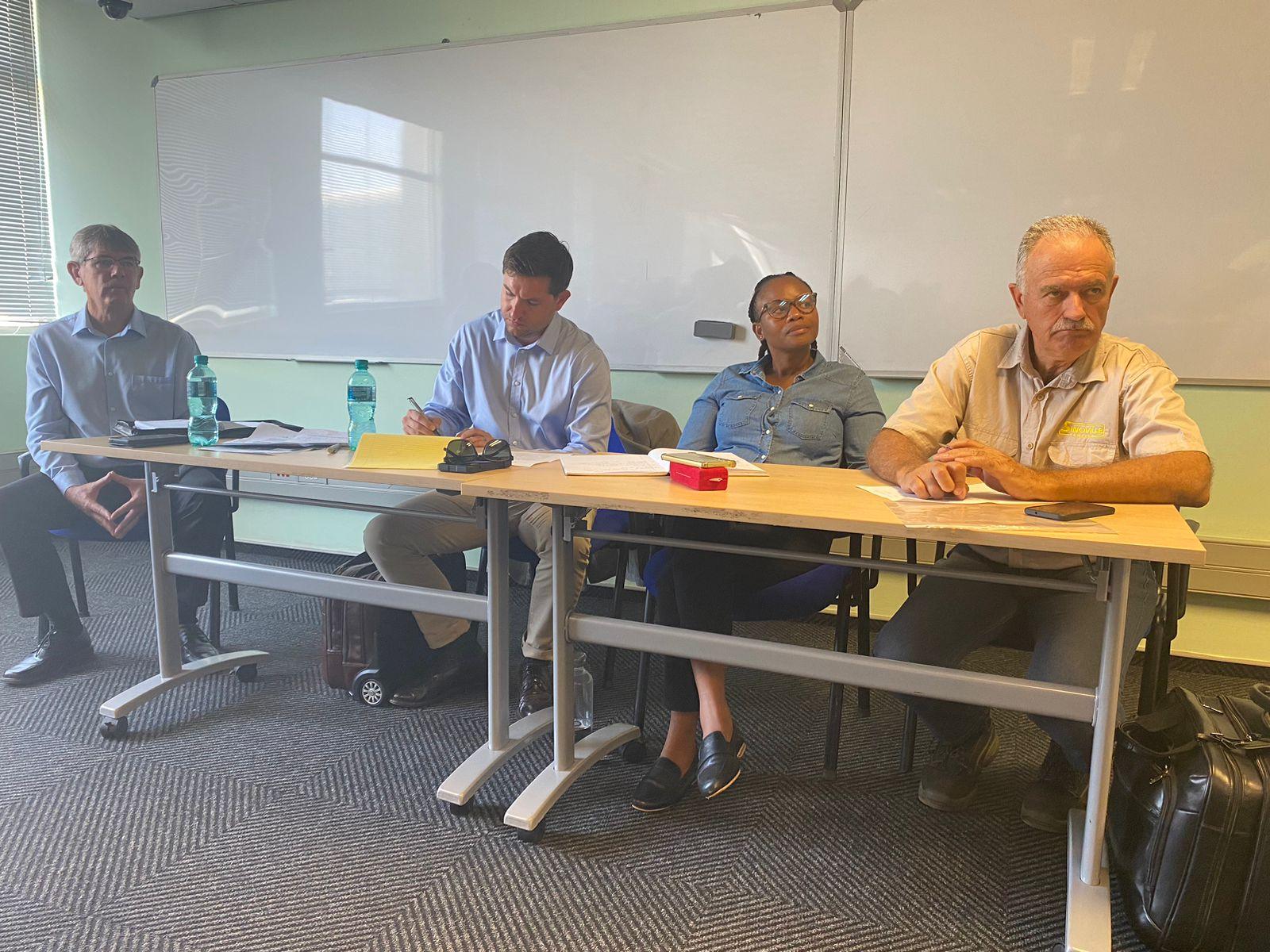
Fanie du Plessis, CEO of RID said the business side of the community needs permission from the city to develop and improve the area.
He said the RID aims to improve infrastructure such as roads and can only do so with the help of the municipality.
Du Plessis said the main issue in Klerksoord is the unavailability of driveable roads.
“Many are gravel roads and the moment it rains it means business is hindered as the trucks get stuck and delays production. The massive potholes of the formal roads in the area are also a concern.”
He said the business community have agreed with the city to maintain the roads.
“We asked the metro to drop off a load of sand, then the business community will start maintaining the road as we have established a plan of action.”
He said the work agreement with the city is to maintain, beautify, develop and protect critical infrastructure such as substations and patrol at cable theft hotspots.
Du Plessis added that the RID has a security system in place and teams will be dispatched to also help patrol the area at night.
Tshwane roads and maintenance teams will visit Klersksoord on Monday, February 19 to assess the roads.
Do you have more information about the story?
Please send us an email to bennittb@rekord.co.za or phone us on 083 625 4114.
For free breaking and community news, visit Rekord’s websites: Rekord East
For more news and interesting articles, like Rekord on Facebook, follow us on Twitter or Instagram