Water interruptions at west hospital quelled by new solutions
Should there be water cuts in the area, the hospital can solely rely on the borehole.
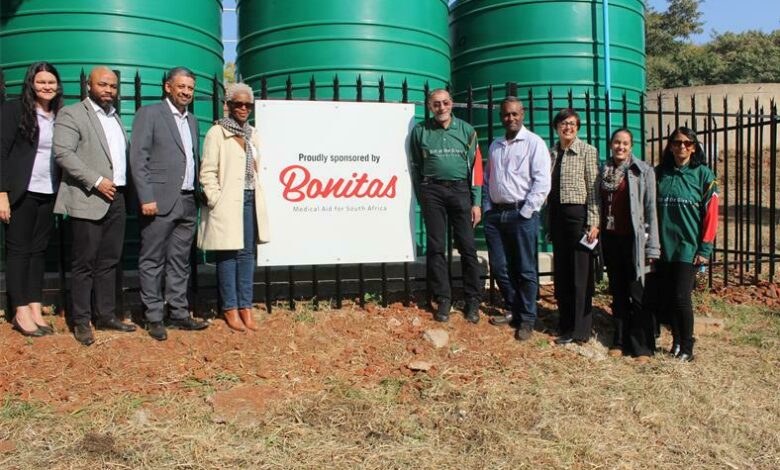
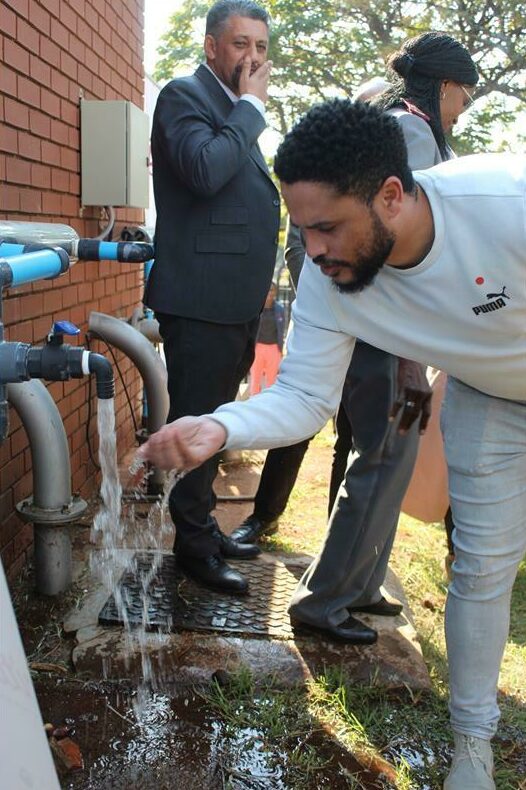
A new borehole and water tankers at Kalafong Hospital were installed to assist the facility with its water challenges.
The hospital has experienced interrupted water supply over the years, which has had dire consequences for the patients and healthcare workers.
On June 20, esteemed guests from Bonitas Medical Aid, Gift of the Givers (GOTG) and the University of Pretoria (UP) attended an event to commemorate the project’s completion.
Kalafong is a 1 118-bed teaching hospital built in 1973, which services a large population of Pretoria and beyond.
The borehole will supply water to the hospital reservoir and supplement municipal water supply by 150 000 litres a day. This is over half of the hospital’s daily consumption of between 200 000 and 250 000 litres. It will also help lower running costs by reducing the water bill, these savings can be channelled into other operational costs.
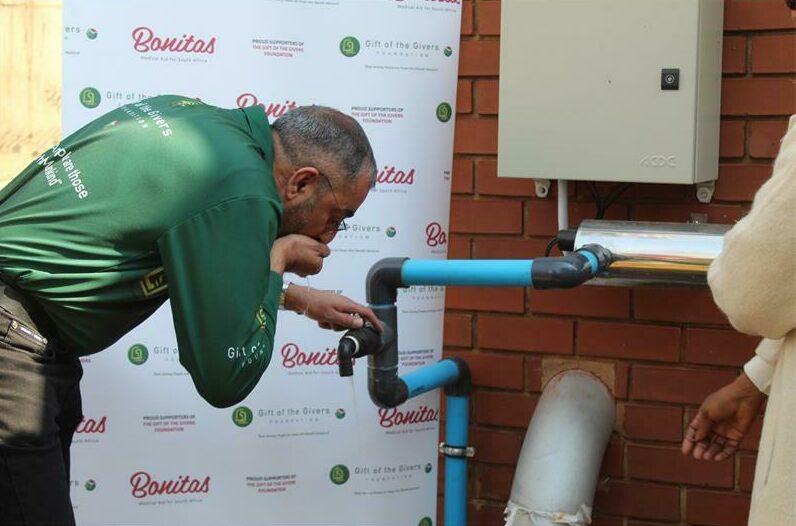
Should there be water cuts in the area, the hospital can solely rely on the borehole.
UP uses Kalafong as a training institute for the Faculty of Health Sciences. They reached out to GOTG regarding the facility’s water struggle and GOTG agreed to assist.
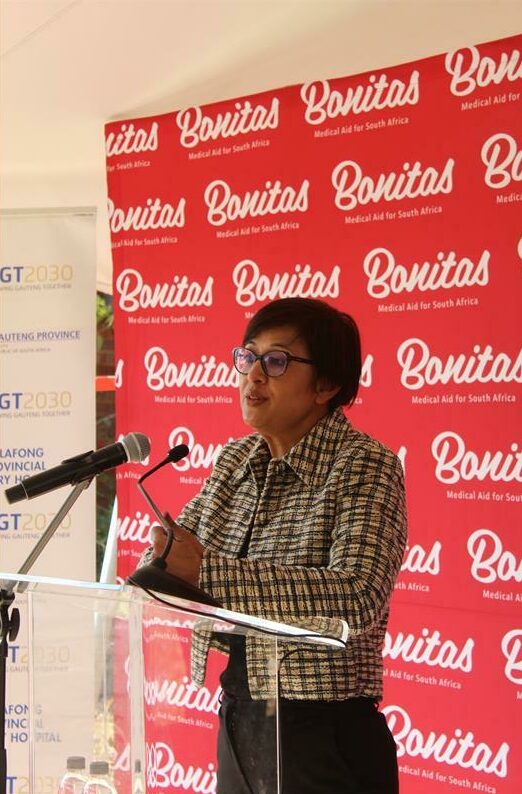
“I believe that the borehole will be a vital resource for the patients,” said the chairperson of the School of Medicine at UP, Professor Priya Soma-Pillay.
The professor thanked Bonitas and GOTG for their commitment to the community and facility during the handover.
“I just thought to myself let me WhatsApp Dr Sooliman, tell him we’re in trouble and ask if he can assist. Within a few weeks, he found a sponsor and it was just smooth sailing after that. This whole project has run so smoothly and so efficiently, so I want to thank you all,” Soma-Pillay said.
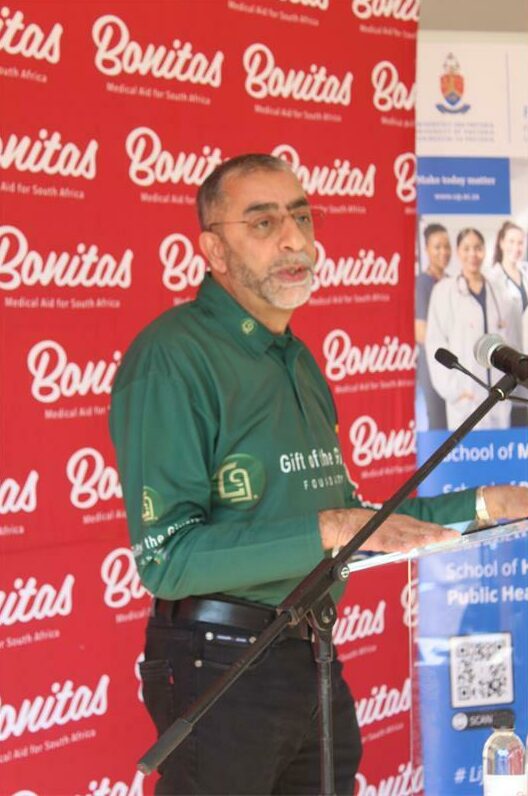
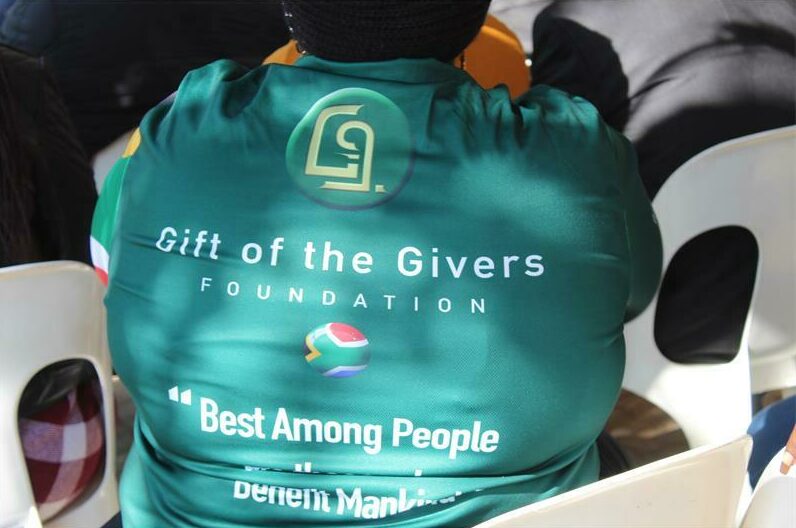
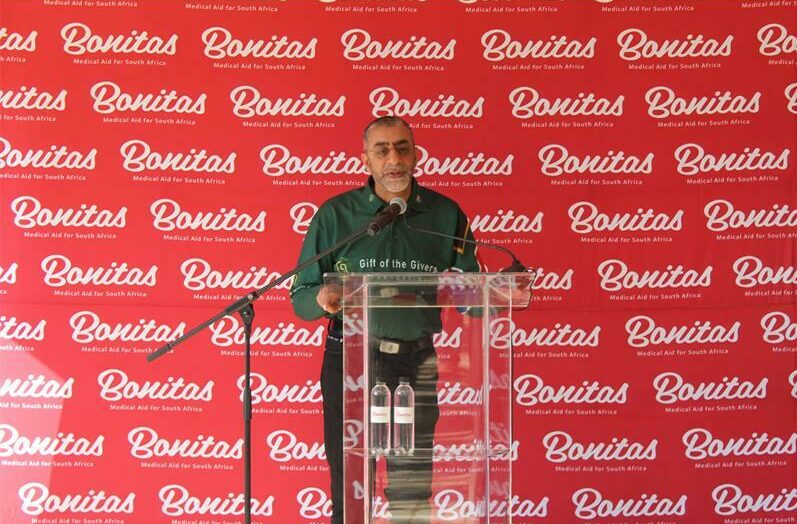
Dr Imtiaz Sooliman of GOTG said that boreholes that they’ve placed in hospitals across the world are to assist healthcare workers and facilities continue their duties as water is a critical resource for the running of a healthcare facility.
“The most frustrating thing after Covid was to say that we can’t do elective surgery and working in the public sector, patients come from far away, and they look forward to that day. They take their taxi or bus, get here and you tell them, there’s no water. Imagine, there’s no water, nothing else,” Sooliman said.
“The operation is suspended because there’s no water. Can you imagine what that does to the psyche, and the morale of that patient after waiting for months? That’s why when any hospital calls me for a borehole I make sure we try because without water everything stops, the ICU stops, the NICU stops, the theatre stops, the sanitation stops, everything,” Sooliman said.
He highlighted the work the givers have been doing across the country and the world and thanked the partners for their contributions.
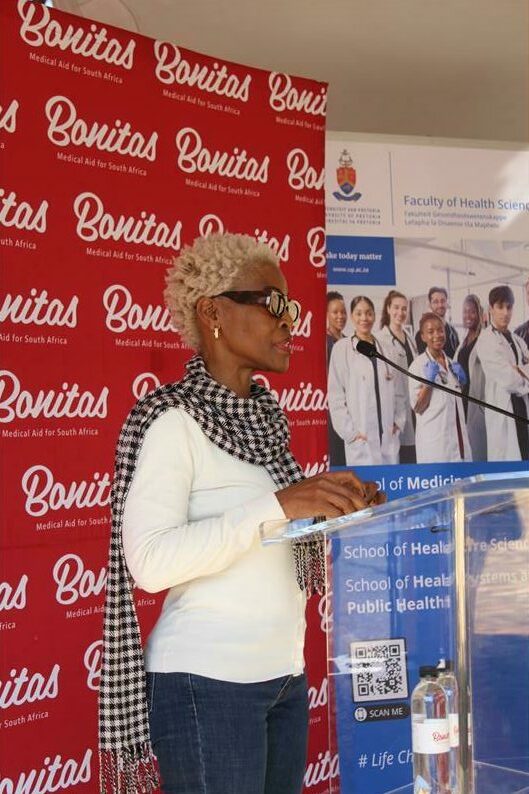
The medical clinical manager of Kalafong, Dr Hope Mpshe also thanked the stakeholders for their contribution as she acknowledged that water has been a big struggle for the hospital.
“Imagine this hospital having 800 patients and we have taps that are running dry and not having a backup makes it a crisis. We have five tanks at the hospital which supply our wards so you can imagine the amount of patients, staff and visitors that we serve,” Dr Mpshe said.
“So this donation is really appreciated and it couldn’t have come at a better time because we experienced difficulties such as these twice last year,” Mpshe said.
Lee Callakoppen, principal officer of Bonitas said: “This and other projects carried out together with GOTG align with the scheme’s commitment to being the medical aid for South Africa. It is the perfect partnership as we have the same passion and drive to assist where it is needed most.”
The partnership between GOTG and Bonitas began in 2018. Bonitas donated R1.2-million to the Kalafong Hospital borehole project.
The water was tested using the South African National Standard (SANS) 241 test – a drinking water specification that outlines the minimum requirements for potable water.
Do you have more information about the story?
Please send us an email to bennittb@rekord.co.za or phone us on 083 625 4114.
For free breaking and community news, visit Rekord’s websites: Rekord East
For more news and interesting articles, like Rekord on Facebook, follow us on Twitter or Instagram