Councillor unhappy over delayed response to leaks
The metro says it has adopted a response plan, which requires all leaks to be addressed within 48 hours.
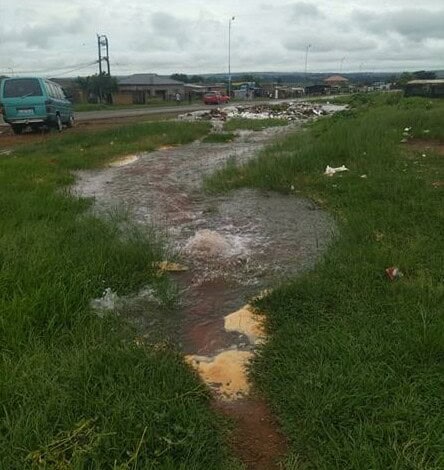
Ward 82 councillor Siobhan Muller is not happy about the delayed response of officials attending to water leak reports.
According to Muller, residents are not the only contributing factor to high water consumption, but also the delayed response to water leaks.
Muller said it took Tshwane up to three weeks to respond to a water leak in Justice Mahomed Street, before Brooklyn Road.

She said that a leak at the Lynnwood reservoir was also only addressed on Monday after it was reported last year.
“Leaks like these should be treated as a priority, especially now that we are under restrictions,” Muller said.
Tshwane spokesperson Lindela Mashigo however attributed the delay in addressing water leaks to various factors, including the non-availability of necessary materials, the severity of the leak and insufficient personnel.
However, Mashigo assured residents the city prioritises addressing water leaks, focusing on the major leaks and clearing backlogs.
He said the metro has adopted a response plan since the placement of restrictions, which requires all leaks to be addressed within 48 hours.
“In this regard, the city’s Regional Operations and Coordination (ROC) team has repaired 7 393 leaks since November 1 till date,” Mashigo said.
He added that the ROC department had received 2 331 water leak service requests in Pretoria east and had responded to and repaired 2 211 of these.
Mashigo acknowledged that staff shortage, limited fleet availability, and budget constraints pose significant challenges.
Despite these challenges, he said the metro has implemented measures to improve its response time to water leaks.
Mashigo said these measures include ensuring material availability, recruiting plumbers and artisans, and appointing service providers to augment internal teams.
“The metro has also used plumbers trained at the Tshwane Management and Leadership Academy to address long-standing leakages.”
Mashigo said the primary causes of water leaks in the metro include aged infrastructure, damage by third parties, root intrusions, illegal connections, and significant water pressure changes.
To prevent future water leakages and wastage, Mashigo said Tshwane is prioritising replacing old pipes as part of its Integrated Development Plan (IDP) programme.
“The city also upgrades part of its network annually, although exponential population growth and new developments pose challenges in allocating resources,” said Mashigo.
Do you have more information about the story?
Please send us an email to bennittb@rekord.co.za or phone us on 083 625 4114.
For free breaking and community news, visit Rekord’s websites: Rekord East
For more news and interesting articles, like Rekord on Facebook, follow us on Twitter or Instagram or TikTok.