Sewage spills into Moreleta Spruit four months on
The city admits that the temporary measure project is still “at a planning stage” and only now being escalated to the supply chain management unit to begin sourcing a contractor.
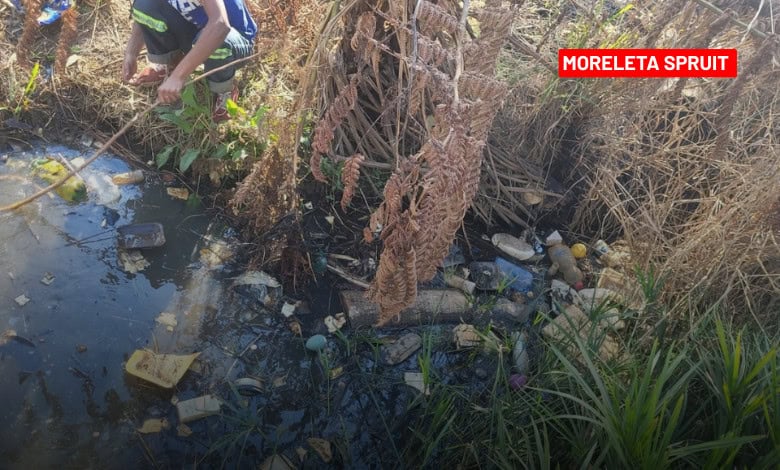
Nearly four months since raw sewage began spilling into the Moreleta Spruit near Murrayfield in the east of Pretoria, residents remain outraged as Tshwane continues to delay intervention, despite repeated promises of action.
The spillage, initially reported by Ward 41 councillor Ben Chapman on December 30, 2024, has yet to be resolved.
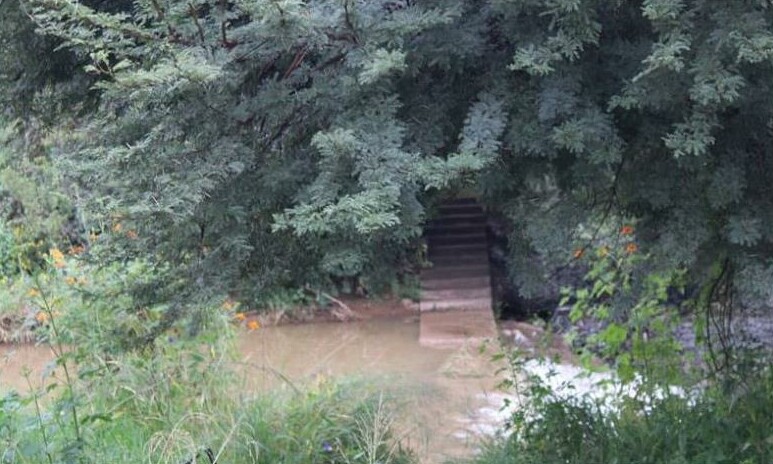
The metro acknowledged the issue in March after a delegation visited the site and found the embankment supporting a key sewage pipe had been washed away.
However to date, no visible remedial work has taken place.
“Unfortunately, the municipality failed to take preventive measures, and the pipe subsequently collapsed, resulting in the continuous spillage of raw sewage into the spruit,” said Chapman.
“It is unacceptable for any government to allow the contamination of natural resources,” he said.
He warned that the ongoing pollution is having a devastating impact on aquatic life and the broader ecosystem of the Moreleta Spruit, which flows through large parts of the city.
Chapman said the metro has done nothing so far.
“Since their delegation visited the site in March, nothing has been done, the sewage continues to spill into the Spruit, and you can imagine the amount of damage it is causing.”
Dr Alseno Mosai, a chemistry lecturer and researcher at the University of Pretoria, raised serious concerns about the ongoing spillage, warning of its widespread environmental and public health impacts.
“It is very important for the government to prioritise the spillage as it disturbs the natural ecosystem, thus negatively impacting the air, water and soil quality as well as the livelihood and the health of living organisms including plants and aquatic animals in the area,” he explained.
He said sewage contains harmful levels of nitrogen, phosphorus, and disease-causing pathogens, which pose risks to both humans and ecosystems.
Mosai said the residents in the vicinity of Moreleta Spruit are also negatively affected as they breathe the impacted air and use the impacted water.
“Waterbodies in Silverton, Waltloo and Hartbeespruit are negatively impacted by the spillage since they are fed by the water from the Moreleta Spruit. Recently, South Africa has been experiencing high volume of rainfall, meaning that the water flow from Moreleta Spruit to other waterbodies has increased drastically. Therefore, the impact of the spillage has advanced to other areas. As a result, the environmental damage caused by the spillage is far greater than what is anticipated.”
Mosai said the toxins from the spillage can be transported through stormwater runoff.
“This is the rainfall that flows through roads, streets, land, paved surfaces, etcetera and it is collected through drainage systems to groundwater and surface waterbodies such as streams, dams and lakes which are often negatively affected.”
Mosai said the stormwater runoff can take the toxins to residents since the water can travel long distances through the soil, roads and other surfaces to residential areas. In this way, being in contact with the toxins will be easy.
“Moreover, it is not only surface waterbodies which are affected, but groundwater. South Africa is a water scarce country, meaning that the available water resources such as groundwater should be protected.”
He said some studies have indicated that a stormwater runoff can lead to acute and chronic illnesses because of contaminated drinking water, consumption of affected animals such as fish and just being in contact with the polluted water.
“Children, pregnant women, the elderly and immunocompromised people have a high chance of being greatly affected by waterborne pathogens.”
He said these pathogens include E.coli, Norovirus, Campylobacter, human hepatitis A virus and faecal streptococcus as well as other antibiotic-resistant bacteria.
“Moreover, there are many points contact which include dermal, splash and hand-to-mouth contacts, inhalation and ingestion. The diseases resulting from the pathogens include gastrointestinal diseases, fever, dark urine, inflamed liver, jaundice and gastroenteritis outbreak.”
Mosai said the Department of Water and Sanitation can use fines to hold those responsible to account and use those fines to deal with the spillage.
“Also, a criminal case can be opened against the responsible parties if it is found that they did not adhere to the rules and regulations of the country when it comes to sewage treatment,” Mosai explained.
“The responsible parties are supposed to improve their sanitation infrastructure and if the spillage is a result of negligence or non-adherence to the law, a case might be opened. Moreover, the level of impact of the spillage and the damage might be left to the responsible municipality, when held to account,” he concluded.
Tshwane spokesperson Lindela Mashigo said the city has plans to secure the pipe.
“The embankment has been completely washed away, making it impossible to mount a temporary pipe. Both the regional maintenance and Water and Sanitation teams are working on a plan to build a support structure for a temporary pipe while developing a long-term solution,” Mashigo said.
He admitted the project is still “at a planning stage” and only now being escalated to the supply chain management unit to begin sourcing a contractor.
Mashigo said investigations were done and plans for both temporary and long-term solutions are underway.
He added that internal stakeholders are being consulted to assess environmental damage.
Mashigo said the teams are working on a long-term solution to ensure this type of environmental degradation does not happen again at the Moreleta Spruit.
“The pipe crossing and the embankment at the spruit will be supported with a rigid structure protecting both the pipe and the embankment from being washed away again,” he said.
“The city prioritises sewer spillages and we try our best to respond to urgent environmental and public health threats. However, there can be unforeseen circumstances that can delay the turnaround time,” he concluded.
Do you have more information about the story?
Please send us an email to bennittb@rekord.co.za or phone us on 083 625 4114.
For free breaking and community news, visit Rekord’s websites: Rekord East
For more news and interesting articles, like Rekord on Facebook, follow us on Twitter or Instagram or TikTok.