Tshwane warns electricity thieves: Pay or face arrest
The metro's crackdown forms part of the metro’s broader effort to reduce non-technical losses, which has cost Tshwane more than R800-million in the 2023/2024 financial year.
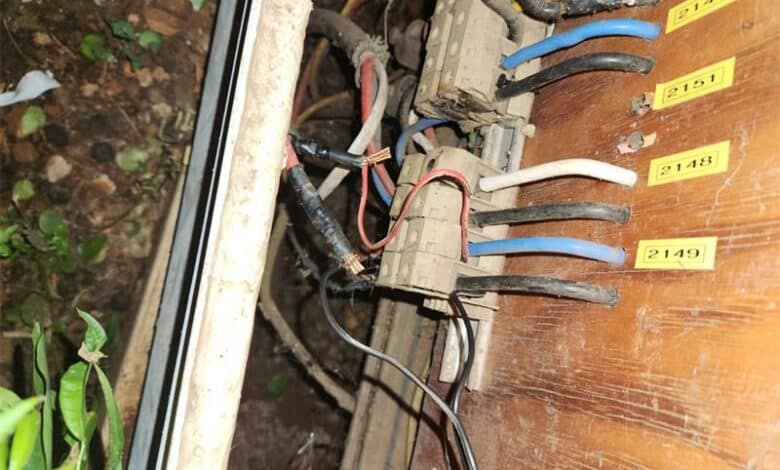
Tshwane plans to take aggressive measures against electricity theft and meter tampering, warning that individuals who persist in illegally reconnecting after being cut off by the city will face serious repercussions.
Metro spokesperson Lindela Mashigo explained that offenders will be hit with significant fines and also be liable for backdated electricity consumption.
“The individuals will be issued with a hefty fine and recalculations of consumption for the past three years, payable in full before the electricity is restored,” Mashigo said.
He emphasised that repeat offenders could face criminal prosecution, stating that “soon, tampering customers will find themselves with a criminal record and heavy fines.”
This crackdown forms part of the metro’s broader effort to reduce non-technical losses, which have cost Tshwane more than R800-million in the 2023/2024 financial year.
While the figures for 2024/2025 are not yet available due to the financial year still being in progress, Mashigo noted that electricity theft damages remain substantial.
He confirmed that as of March 31, the metro had imposed about R100-million in tampering-related fines and recovered R90-million.
Mashigo acknowledged that the problem of cable theft and infrastructure vandalism remains a pressing challenge, often leading to extended outages.
“Cable theft and vandalism of electricity infrastructure remain one of the challenges the city is battling with, causing frequent and prolonged power failures,” he said.
“To address this, a specialised unit within the Tshwane Metro Police Department is tasked with investigating cases of tampering and illegal connections.”
Mashigo said that more than 45 such cases have been investigated in the last four months, and arrests are made when tampering is proved.
He added that the metro is currently seeking legal advice on prosecuting property owners or tenants found deliberately altering metering infrastructure to under-record usage.
Despite these challenges, there are signs of progress.
Mashigo noted a decline in meter tampering cases and attributed this to the city’s strict penalties.
He said that both prepaid and postpaid meter tampering have dropped, largely due to the financial consequences imposed on those caught manipulating their meters to avoid paying full tariffs.
In an attempt to curb illegal activity further, the metro introduced a temporary amnesty allowing residents who have bypassed their meter to come forward without penalty.
However, Mashigo warned that this measure will end on 1 June; thereafter, the municipality will resume imposing hefty fines for tampering with meters.
He encouraged residents to act now to avoid being disconnected and left without electricity during the cold winter months.
“Public education campaigns are also part of the city’s preventative strategy.”
Mashigo explained that ward councillors are playing a key role in raising awareness at local meetings, especially in areas known for illegal connections.
He added that the metro has increased outreach via its website, social media, and mainstream media, with the Office of the Chief Whip helping to disseminate these messages.
However, on the ground, residents are still grappling with the real-time effects of electricity theft.
Este Steenkamp, who has lived in Highveld, Centurion for the past nine years, said her household has repeatedly been targeted by electricity thieves.
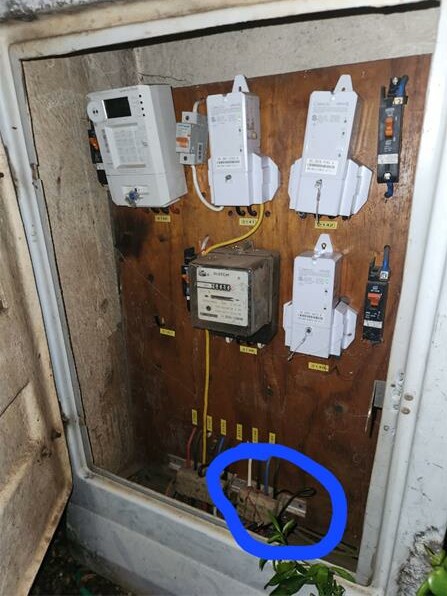
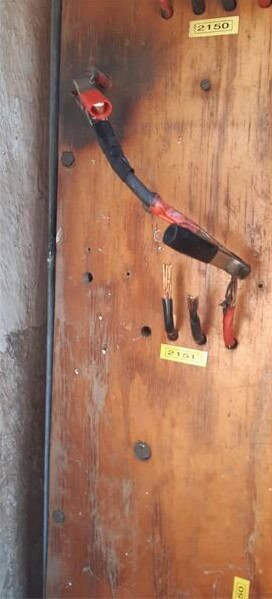
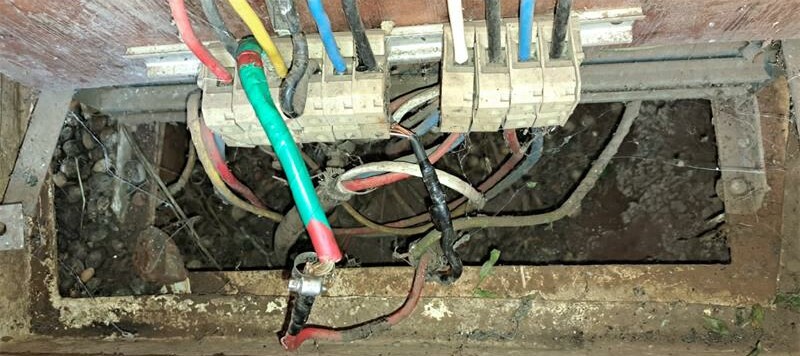
“Our municipal box has been tampered with, and there are people who have been illegally connecting and stealing from us,” she said.
Steenkamp explained that the problem first emerged during the COVID-19 pandemic, but has worsened dramatically in recent weeks.
She recalled lodging her first complaint on March 30, after which a metro technician disconnected the illegal wiring.
However, within hours, the culprits returned.
“They reconnect again—usually at night between 12:00 and 03:00,” she said.
She added that every morning and afternoon, they find new wires illegally hooked up to her municipal box.
This has left the family repeatedly without power for days.
Steenkamp also criticised Tshwane’s limited response capability over weekends.
“Trying to report an illegal connection over the weekend is virtually impossible,” she said.
The persistent tampering has placed a financial burden on the household.
“We have been spending a lot of money on electricity, only for it to run out quickly due to this illegal connection,” she added.
Mashigo acknowledged the seriousness of such incidents and urged the public to report cable theft and vandalism either to the South African Police Service or the Tshwane Metro Police.
He reiterated that public cooperation is essential in the fight against electricity theft and underscored the metro’s commitment to pursue both administrative and criminal penalties against offenders.
Do you have more information about the story?
Please send us an email to bennittb@rekord.co.za or phone us on 083 625 4114.
For free breaking and community news, visit Rekord’s websites: Rekord East
For more news and interesting articles, like Rekord on Facebook, follow us on Twitter or Instagram or TikTok.