Evicted illegal squatters set up structures outside secured wetland
Days after being evicted from the Wolwespruit wetland, displaced squatters have set up camp along nearby roads – claiming confusion, unfair treatment, and nowhere else to go.
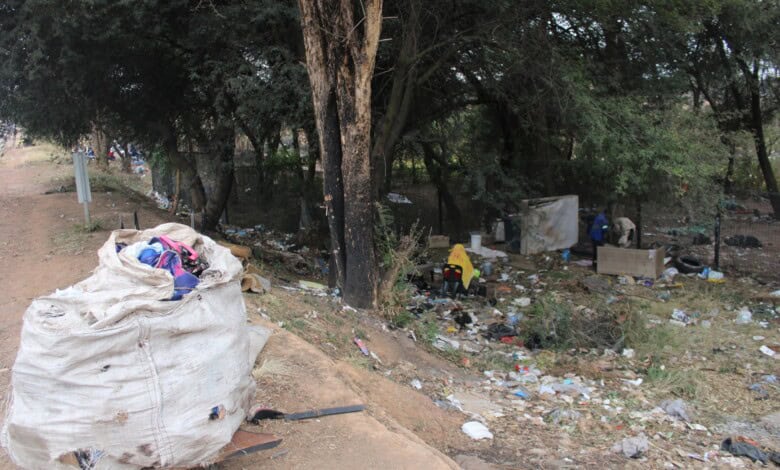
Following the removal of more than 300 squatters from the Wolwespruit property on the corner of Solomon Mahlangu Drive and Delmas Road, many now-displaced squatters have set up structures just outside the secured area.
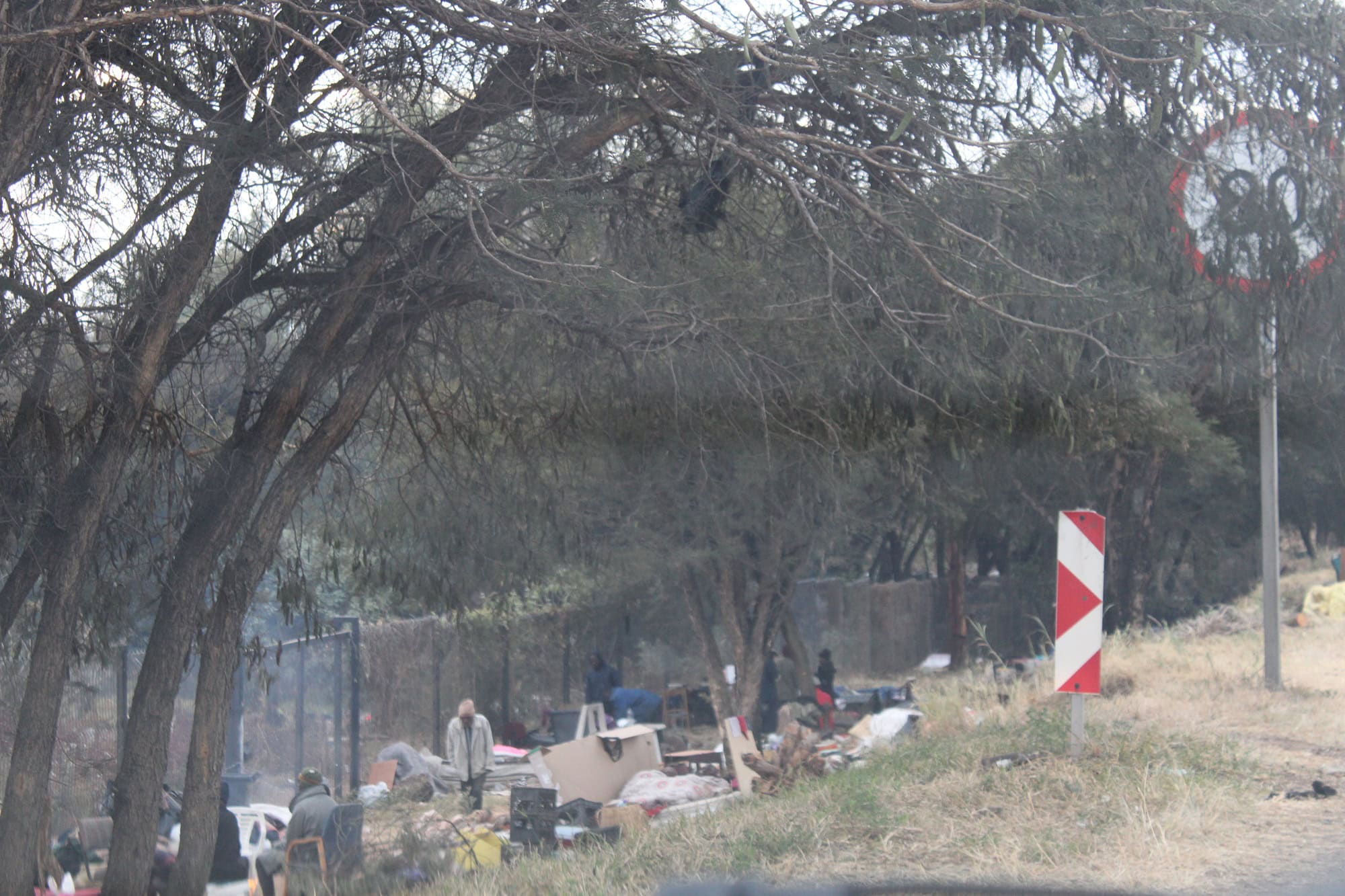
Despite the wetland being secured and under heavy security surveillance, the evicted squatters have taken up temporary residence along Solomon Mahlangu Drive, as well as on Nossob and Delmas roads.
The metro began the relocation process on July 11, successfully removing more than 300 illegal occupants from the ecologically fragile site.
Of those, only 70 people, identified as South African nationals, were relocated to permanent residential stands in Pienaarspoort extensions 22, 23, and 25.
The city claimed that it only has the authority and power to provide South Africans with stands, while foreign nationals are left stranded.
The eviction comes after the illegal occupation of the land, that lasted nearly two decades, during which a legal and environmental impasse stalled much-needed development in the area.
Rekord spoke to the squatters who now camp outside the secured wetland area, discovering that those who have been displaced include people from Lesotho, South Africa and Zimbabwe.
They claim they have nowhere else to go, after being kicked out of the only home they have known for over a decade.
Displaced squatters expressed frustration and disappointment over the relocation process, claiming it was riddled with confusion, alleged corruption, and a lack of transparency.
A South African, who declined to provide his name and surname, said he was shocked to be excluded from the relocation list despite submitting his ID to city officials.
“I was surprised to be kicked out but not relocated. They claimed only South Africans qualify, yet here I am still outside, camping,” he said.
He further alleged political interference and unfair treatment in the selection process.
“If they said South Africans will get permanent stands, why am I still here? Why must I suffer in the cold during winter when we are expected to vote during elections?” he asked.
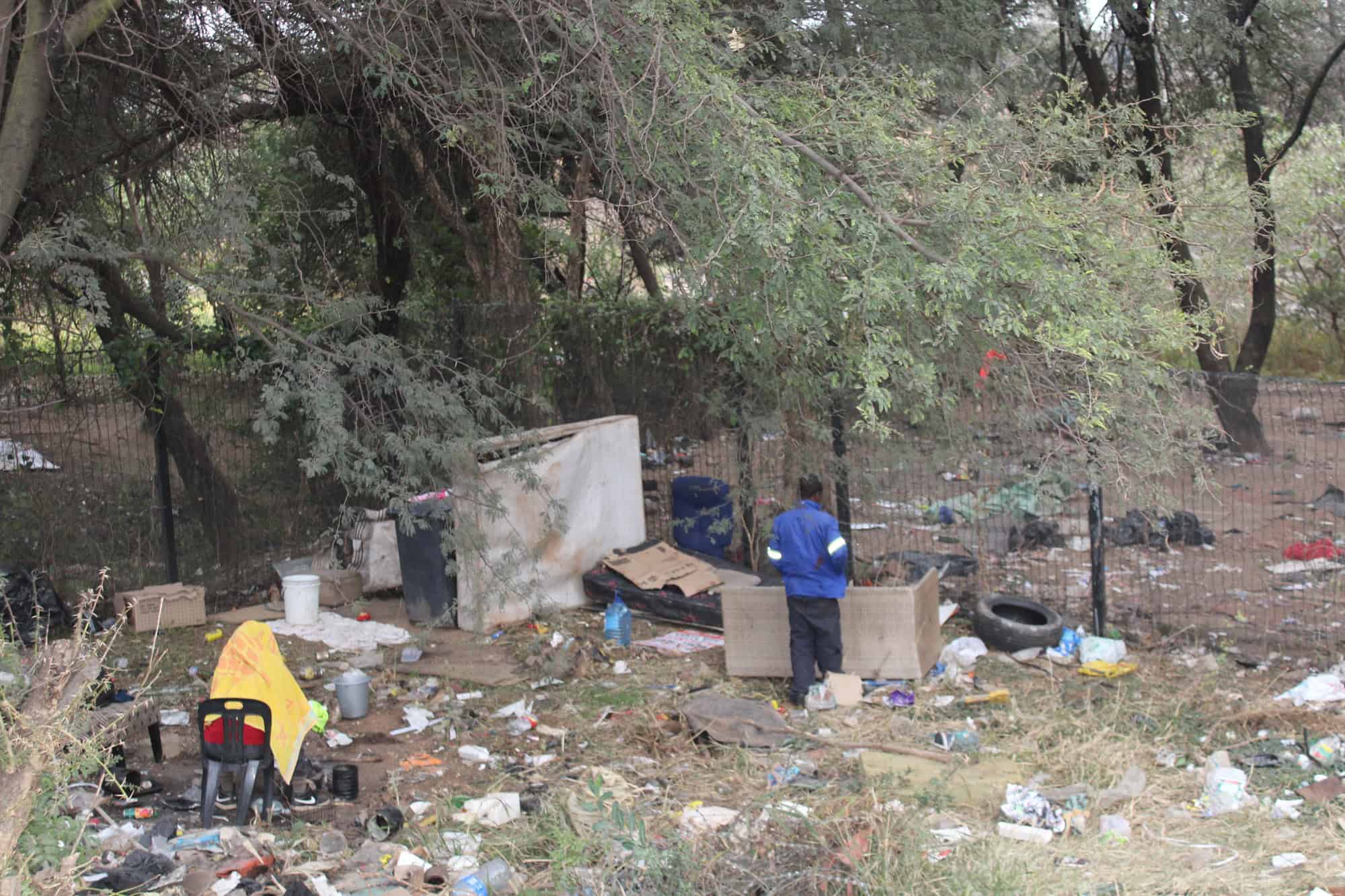
Another South African, who also asked not to be identified, said he was informed that only those who had lived on the site since its inception qualified for relocation.
“They told us we came recently, just years ago, so we don’t qualify. But I’m willing to be moved, I just want a place to stay,” he said.
He warned people living outside the wetland could lead to a new informal settlement, saying, “If Tshwane doesn’t provide an alternative, more people will join us here, and this might become a new home.”
He also appealed for compassion and fairness, noting, “Some people submitted ID copies, others lost theirs, but they should still be helped.
“We just want a safe, permanent place to live without fear of eviction in the middle of the night.”
On the other hand, relief has been set up for residents of Erasmuskloof, Moreleta Park, Mooikloof and surrounding suburbs following the eviction of the squatters.
A community member, Elaine Battle, who has been actively advocating for the relocation of the squatters due to concerns about their location on a protected wetland, noise, smoke, waste dumping, and various illegal activities, is saddened that displaced squatters have set up structures outside the wetland property.
She said while the removal is a welcome development, there are ongoing concerns regarding the resettlement process.
“Initially, Tshwane’s Department of Human Settlements indicated a lower number of South African citizens residing in the settlement, however, the recent relocation saw approximately 30 additional South African citizens, not accounted for in the original plans, displaced and now camping on sidewalks.”
According to Battle this has led to new issues such as makeshift shacks, open fires, and sanitation problems, posing risks to both the displaced individuals and the wider community.
“The community believes the Department of Human Settlements should take responsibility for this oversight, and ensure these individuals are properly relocated to Pienaarspoort, as was initially planned for other South African residents.”
She said there appears to be internal departmental disagreement within the metro, regarding who is responsible for these displaced people.
Battle called on Tshwane to intervene immediately, as squatters camping next to the road is a huge safety risk, for both squatters and motorists.
Ward 83 councillor, Andrew Lesch, said the occupation of the wetland has been a major source of concern for many years, and the number of people increased while efforts were made to evict them.
“For years, the community and businesses in this area suffered power outages due to cable theft, increased crime, smoke, noise, and other [types of] pollution,” he explained.
He alleged that some of the people in the informal settlement were involved in crime.
“We also experienced several cases of illegal dumping by people and even some local businesses. Previous attempts at eviction and/or resettlement were met by objections and court interdicts. Now I can confirm they have been resettled.”
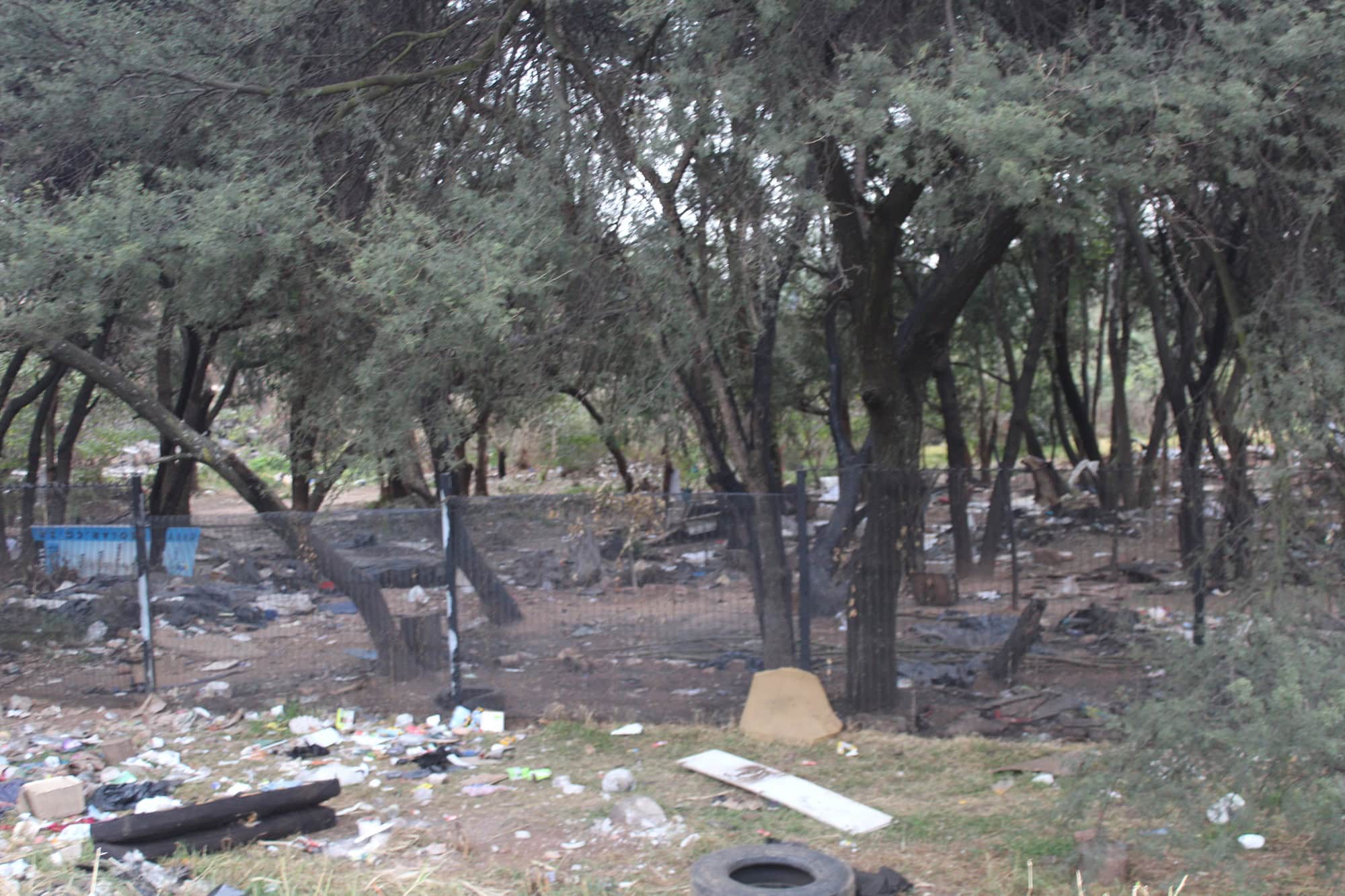
According to Lesch, the property is now guarded, and repair of the fences has started.
Tshwane spokesperson, Lindela Mashigo, confirmed that 70 verified South African nationals have now been resettled in Pienaarspoort Ext 22, 23, and 25.
Mashigo said the remaining individuals, identified as foreign nationals, were cleared from the area, and the land has since been handed over to the Public Investment Corporation, which owns several adjacent properties.
He said the area is an environmentally sensitive area, which will not be developed immediately, and any future developments would require comprehensive environmental assessments.
“For now, the city’s priority is to preserve and protect the space,” Mashigo said.
ActionSA’s Tshwane caucus spokesperson, Henriette Frohlich, welcomed the successful eviction and relocation, saying that the intervention should pave the way for increased property development in areas such as Erasmuskloof, Moreleta Park, and Mooikloof.
“The city has demonstrated commitment to resolving this long-standing crisis, and identifying permanent stands was essential to restoring dignity to the affected residents,” Frohlich said.
AfriForum welcomed the successful relocation of illegal squatters, following the organisation’s submission of a report on the impact of these illegal dwellings to the metro earlier this year.
Do you have more information about the story?
Please send us an email to bennittb@rekord.co.za or phone us on 083 625 4114.
For free breaking and community news, visit Rekord’s websites: Rekord East
For more news and interesting articles, like Rekord on Facebook, follow us on Twitter or Instagram or TikTok.