Hostel dwellers livid over poor living conditions in Mamelodi West
Sixteen years after being moved into ‘temporary’ asbestos units, residents in Mamelodi say they’re still waiting for the family homes they were promised. With failing infrastructure, rising crime, and no clear timeline from the metro, frustration and health concerns are mounting.
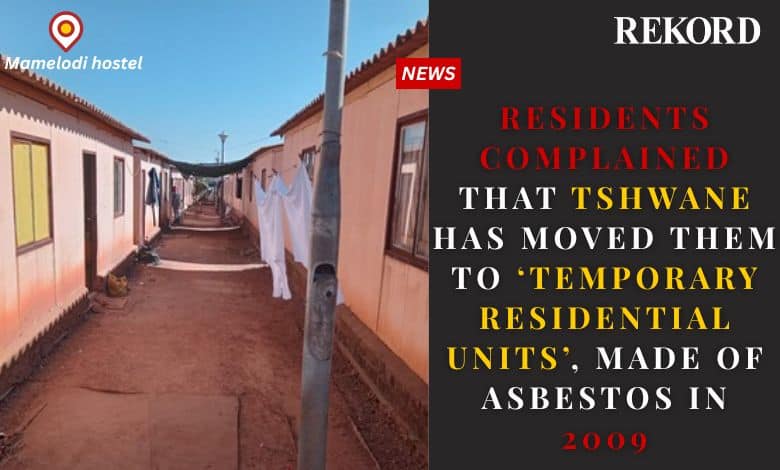
The Tshwane metro has acknowledged that its long-promised Mamelodi hostel redevelopment plan, which has stalled for over a decade, has left hostel dwellers in appalling living conditions.
This comes after residents complained that the metro moved them to temporary residential units (TRUs) made of asbestos in 2009, promising to build them decent family units no more than 12 months later.
“The city is aware of the complaints and is in the process of addressing them,” said metro spokesperson Lindela Mashigo.
The hostels consist of 300 units, housing about 800 men aged 18 years and older.
Most of the hostel dwellers are contract workers, and the others are unemployed.
According to Mashigo, during the 2008/2009 State of the City address, the mayor at the time announced a new model of redeveloping old hostels into affordable and sustainable family units.
“The old hostels in Mamelodi were demolished to make way for the new hostel redevelopment programme funded by the provincial department of Human Settlements.
“Residents in the affected old hostels were relocated to the newly constructed TRUs,” Mashigo said.
He said phase 1 of the hostel redevelopment programme was completed in 2008.
“A total of 98 units with four new three-storey blocks were erected in wards 38 and 67.
Phase 2 was developed by the Gauteng Department of Human Settlements (GDHS) as a two-pronged approach, namely the development of 56 and 92 units.
“Both developments were never officially handed over as there was some work still outstanding and there were no occupational certificates.”
Mashigo explained that over the years, the provincial government could not commit to the completion of the units in order for the occupational certificates to be issued and for the units to be allocated.
“This was until the city’s Department of Housing and Human Settlements decided to utilise the 2014/15 budget allocated for the construction of new family units to refurbish the 148 units so they can be allocated.
“While the negotiations and engagements with the residents committee were underway and the city was in the process of completing the assessment of the outstanding work, before rectification or renovation could commence, the units were invaded,” said Mashigo.
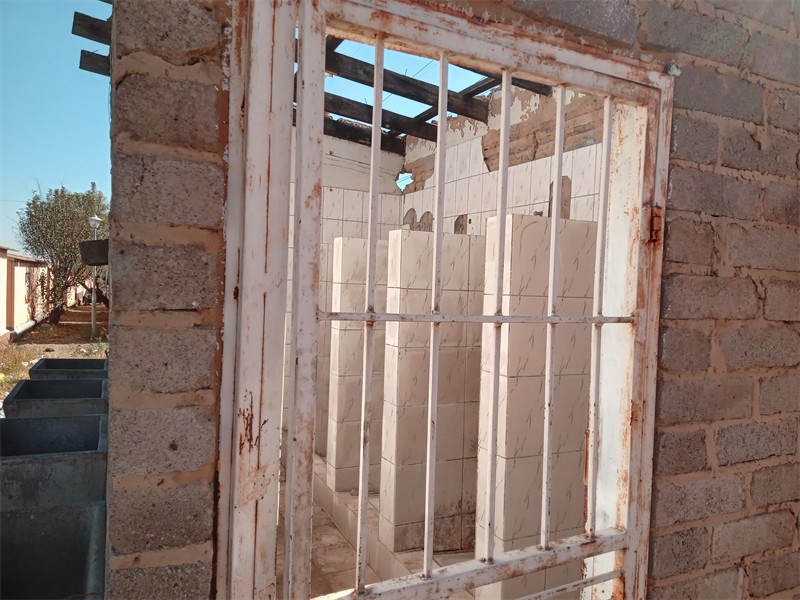
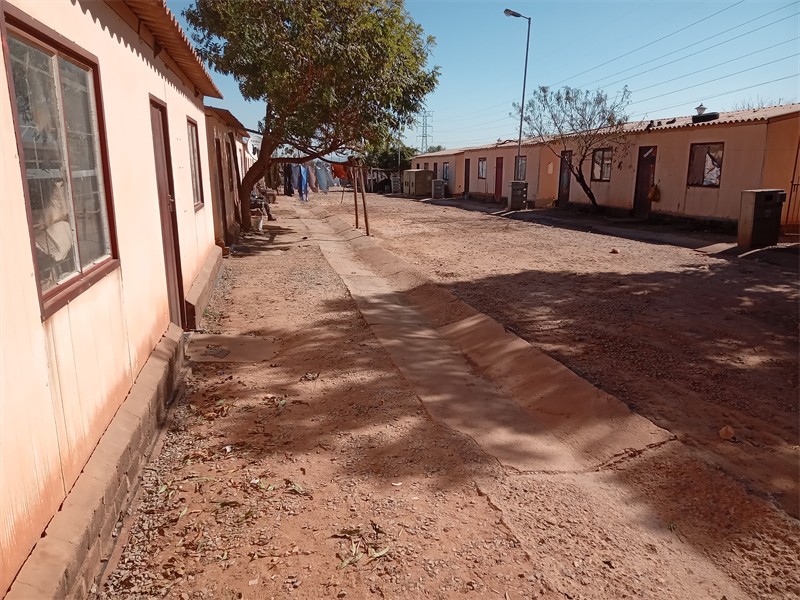
Photo: Apson Makaung
He said the matter was referred to legal services to pursue possible eviction.
“However, evictions could not be carried out immediately, which meant the city would be ordered by the courts to provide alternative accommodation, which is not available.”
Mashigo said in the 2019/20 financial year, the metro appointed a contractor to replace roofing, glazing and doors in the old hostels.
“The contractor removed asbestos roofing and replaced broken windows and doors with new ones.
“Three blocks are now completed, namely blocks P, S and 2, making these blocks safe for tenants to be relocated.
“Each block has 31 rooms, which can house eight tenants in each room, making it a total of 744 tenants in the three identified blocks.”
Mashigo added that the city has developed an urban development framework (UDF), which was approved by Council in 2024. The UDF was to provide a vision for the future redevelopment of the hostel precincts and their integration into the broader urban fabric through mixed housing development.
“Working closely with the city, the Gauteng Department of Human Settlements (GDHS) updated the socio-economic surveys and conducted a hostel bulk infrastructure assessment to determine the bulk infrastructure needs that are required to develop the area further and implement the UDF.
“The GDHS also agreed to undertake emergency major repairs for the Mamelodi hostel and intends to undertake three major critical repairs in the hostel,” said Mashigo.
He explained that these include repairs of electrical infrastructure, and of structural damages such as fixing the Kingsley Hostel roof, which was damaged by a storm, and the stormwater management system.
Mashigo said the work in question is expected to be completed by the end of the 2025/26 financial year.
The metro did not provide a clear timeline as to when the residents will be moved into their promised decent family units.
The residents relayed their frustrations over the metro’s prolonged promises as they continue to dwell in unfavourable living conditions that are a threat to their health.
“We were relocated to temporary asbestos hostels on May 11, 2009. We were then given a contract stating that our demolished block W will be renovated within six months, and that is when we can move in,” said community leader Victor Masemola.
“However, what was promised has been in vain because it is now 16 years later and there is still no progress.”
He said the service from the municipality is not consistent.
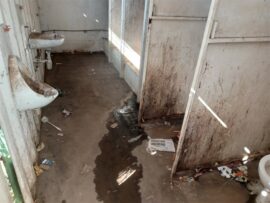
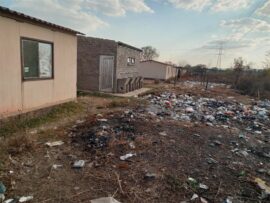
“The taps are not working, water pipes are leaking, toilets are broken, and garbage is not collected. Some of the residents are struggling with ill health, such as lung problems, due to these inhumane living conditions.”
He also mentioned the crime taking place in the area.
“The crime rate is also high due to broken streetlights. Sometimes, when you go out, you will find that criminals have broken into your place, as we are neighbours of squatters who are substance abusers.
“We are always in fear because whenever you do laundry, you have to watch over it or ask someone to do so until you come back,” Masemola said.
Another resident, Maphutha Masesane, said: “We are calling on the government to hear our cries and rescue us from these living conditions.
“Whenever it is time for elections, they will come up with many promises, but these promises are never fulfilled.”
Masesane said in 2013, they were shown a house plan. So far, only a foundation was laid and since then, there’s been no further progress.
Do you have more information about the story?
Please send us an email to bennittb@rekord.co.za or phone us on 083 625 4114.
For free breaking and community news, visit Rekord’s websites: Rekord East
For more news and interesting articles, like Rekord on Facebook, follow us on Twitter or Instagram or TikTok.