Over R29m paid to suspended officials as disciplinary delays persist
According to the Disciplinary Procedure Collective Agreement, suspensions should not exceed six months. The city has, however, acknowledged that many cases surpass this timeframe due to the nature of investigations.
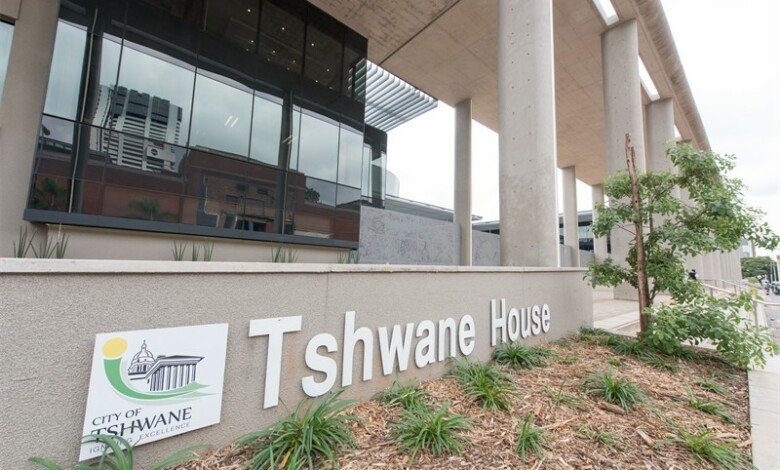
The financially strained Tshwane metro has confirmed that it paid more than R29-million in salaries to suspended officials during the 2024/25 financial year, raising concerns about delays in finalising disciplinary processes.
According to the metro, a total of 27 municipal employees are currently on suspension, with a significant number waiting months for their cases to be concluded.
A report from the metro’s Corporate and Shared Services Department reveals that 23 of the suspended officials have been waiting longer than three months for their disciplinary hearings to either begin or be finalised.
Three officials have been suspended since December 18, 2023, but are paid while remaining at home without performing duties.
The Freedom Front Plus (FF+) claims that the metro primarily relies on external contractors, often law firms from Johannesburg, who charge high rates to act as prosecutors and presiding officers.
In addition, a serious cause for concern is that cases are deliberately dragged out, as it is rumoured that certain officials or contractors allegedly derive financial benefit from the delays.
Metro spokesperson Lindela Mashigo confirmed the total cost incurred by the municipality as being R29 628 351.83 during the 2024/25 financial year.
The report indicates that suspended employees continue to receive full salaries while remaining at home, despite the city facing ongoing financial challenges and service delivery pressures.
According to the report, the average annual cost per suspended employee exceeds R1.37-million, and the continued delays are placing additional strain on the municipality’s already stretched budget.
Mashigo attributed the delays in finalising disciplinary hearings to several factors.
“These include the complexity of cases, postponements, changes of representatives during disciplinary hearings, the availability of witnesses, compliance with disciplinary procedures to ensure fairness, and dependence on law enforcement agencies for the provisioning of evidence,” he said.
He added that many of the cases involve criminal elements, which further complicates and prolongs the process.
“Most of the cases are of a criminal nature and the city is only provided with evidence once criminal cases or forensic investigations are finalised. These processes normally exceed the prescribed six-month period,” Mashigo explained.
He said in terms of policy, the SALGBC Disciplinary Procedure Collective Agreement provides that suspensions should not exceed six months.
“However, the city has acknowledged that many cases surpass this timeframe due to the nature of investigations,” he explained.
Mashigo added that the municipality has also made use of external legal service providers to assist with disciplinary proceedings, citing capacity constraints.
“The city has an approved legal panel of attorneys that is not only utilised for disciplinary matters. Attorneys are used in instances where the city lacks the capacity to schedule and finalise cases,” said Mashigo.
He confirmed that the cost associated with these legal services during the 2024/25 financial year amounts to the same figure spent on suspended officials’ salaries.
He said in an effort to address the issue, the city has started strengthening its internal capacity.
“During August and October 2025, the city appointed three employees whose task it is to represent the city in disciplinary hearings. The influx of disciplinary cases necessitates the usage of additional external resources. This will diminish once discipline stabilises in the city,” he said.
Mashigo added that the municipality is taking steps to reduce both suspensions and associated costs.
“Where possible and where employees do not pose a threat, suspensions are avoided by placing employees in alternative roles in the city,” he said.
He also confirmed that the city is reviewing its reliance on external legal firms.
“The city has considered limiting the use of external law firms, hence the employment of internal personnel,” Mashigo said.
FF+ councillor Roché Grebe said the average cost per employee exceeds R1.37-million per year – an expense covered by taxpayers, while no work is performed.
“These needless delays stem from poor internal administration.”
He said the FF+ wrote to the Mayoral Committee Member for Corporate and Shared Services, Kholofelo Morodi, insisting that binding deadlines be introduced for the finalisation of disciplinary cases.
“Line managers who allow hearings to needlessly drag on should be held accountable. The appointment of external law firms should also be thoroughly reviewed, with a possible corruption probe into relationships between officials and contractors.”
He added that, moreover, the Human Resources Department should urgently be overhauled to put an end to this squandering of public funds.
“The Freedom Front Plus refuses to stand idly by while officials are paid millions for months, or even years, while doing nothing.”
He emphasised that the current administration has to accept accountability and stop the squandering.
Do you have more information about the story?
Please send us an email to bennittb@rekord.co.za or phone us on 083 625 4114.
For free breaking and community news, visit Rekord’s websites: Rekord East
For more news and interesting articles, like Rekord on Facebook, follow us on Twitter or Instagram or TikTok or WhatsApp Channel