Alternative burial methods sought as cemetery space runs out
With burial space projected to last only a few more decades, the metro is engaging communities on sustainable and culturally sensitive alternatives.
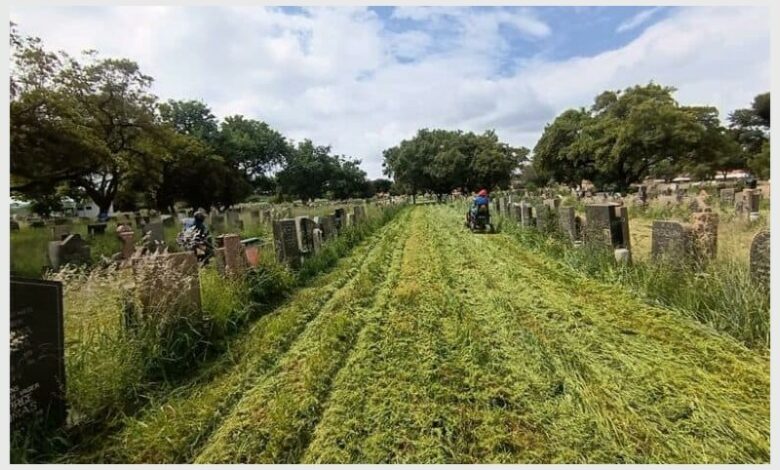
The Tshwane metro has begun exploring sustainable alternative burial methods as mounting pressure on cemetery space raises concerns about the future of burial practices.
MMC for Environment and Agriculture Management, Obakeng Ramabodu, recently convened a roundtable meeting at Tshwane House to discuss the issue.
Church organisations, traditional leaders and healers, the South African Council of Churches and the South African Local Government Association (SALGA), among others, deliberated on the management of human remains and the sustainability of burial practices.
Ramabodu highlighted the growing strain on available burial land, noting that the city requires about 6 000 burial spaces annually.
“The existing cemetery space is projected to last approximately 20 to 30 years. With the land becoming increasingly limited, the city is faced with a challenge to identify new burial sites, while we must do our best to upgrade existing ones,” he said.
Ramabodu added that environmental factors further complicate the situation, with certain land unsuitable for cemetery development.
He said high groundwater tables make the development of land for a cemetery impossible.
“These environmental constraints further complicate the city’s ability to expand its burial infrastructure,” he said.
Stakeholders acknowledged that cemetery management is becoming increasingly complex, with rapid urbanisation, financial sustainability and repatriation challenges adding pressure on the system.
Participants also raised concerns around cultural and religious practices, emphasising that any alternative burial methods must respect deeply held beliefs.
“It was noted that for many communities, burial practices are closely linked to spiritual customs and traditions, including for families to visit and honour loved ones at burial sites,” said Ramabodu.
Despite differing views, there was consensus that ongoing engagement is critical to finding solutions that balance environmental sustainability, land availability and cultural sensitivity.
“The roundtable formed part of ongoing efforts by the city to proactively address the future of burial practices while ensuring that communities remain central to the conversation,” he said.
Ramabodu called on residents and stakeholders across metro to continue participating in consultations.
“I am calling upon all stakeholders in Tshwane to continue with the engagement and consultation on this important matter, to help alleviate the burden of burial land constraints in the city.
“As well as to assist communities to embrace the concept of alternative burial methods while preserving the culture and tradition of religious and spiritual practices of all residents,” Ramabodu said.
ALSO READ: Three suspects shot and injured in Brooklyn Mall armed robbery
Do you have more information about the story?
Please send us an email to bennittb@rekord.co.za or phone us on 083 625 4114.
For free breaking and community news, visit Rekord’s websites: Rekord East
For more news and interesting articles, like Rekord on Facebook, follow us on Twitter or Instagram or TikTok or WhatsApp Channel