Health department intensifies hygiene awareness in Hammanskraal
The Gauteng Department of Health, alongside partners, brought critical health education to Hammanskraal, reinforcing calls by the World Health Organization for consistent handwashing to combat infections and protect vulnerable communities.
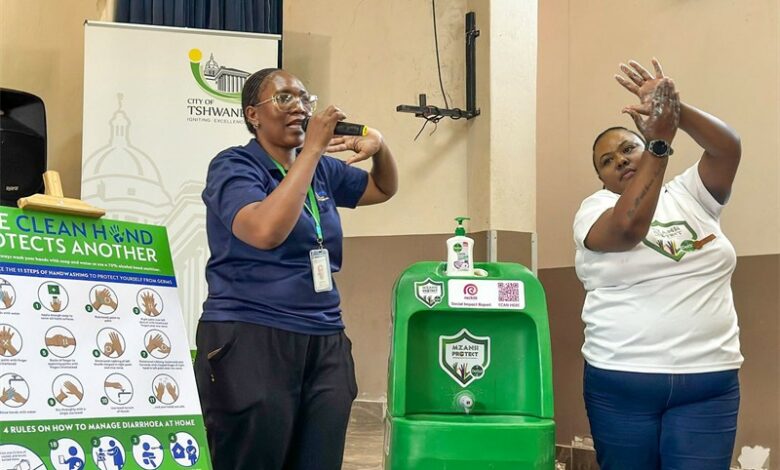
World Hand Hygiene Day serves as a powerful reminder of the critical role that simple hygiene practices play in protecting public health and saving lives.
The Gauteng Department of Health (DoH), in collaboration with Reckitt and Dettol Mansi Protect, observed this important day on May 5, at the Hammanskraal Community Hall in the north of Pretoria.
According to the department, the day is commemorated annually under the auspices of a global campaign spearheaded by the World Health Organization.
As communities unite under the theme ‘Action Saves Lives,’ the DoH highlights the urgent need for consistent and proper hand hygiene to prevent infections, reduce disease transmission, and strengthen health systems, particularly in vulnerable areas where waterborne illnesses remain a significant concern.
Deputy director of environmental health services in Gauteng, Christina Moumakwe, explained that the Hammanskraal Community Hall was chosen due to the high number of waterborne illnesses such as cholera, typhoid, and respiratory infections.

Hammanskraal is one of the communities facing challenges, such as limited access to safe water and inadequate sanitation facilities. This increases the risk of communicable diseases, making the need for promoting hand hygiene at household and community levels crucial for disease prevention.
Moumakwe emphasised the importance of raising awareness about hand hygiene.
“An analysis was conducted, which determined that hand washing is a critical component often omitted by parents, children and the broader community. The most commonly missed areas during handwashing include the ring finger, wrist (where watches are placed) and on artificial nails,” she said.
Moumakwe mentioned that to help bring the Hammanskraal water issue under control, and to promote overall health, the department provides water purifiers, tablets or bleach to enable households to purify water for domestic use in their homes.
She stated that programmes implemented in schools and taxi ranks have shown a positive impact, with infection cases reducing.
She added that washing hands helps to curb waterborne infections.
“Collaboration is important across all departments, particularly with the Department of Water and Sanitation. We hope that by 2030, the goal of health for all can be achieved and infections can be curbed,” she added.
The health promoters team demonstrated the 11 steps of properly washing hands: Wet your hands with clean, running water (warm or cold) and apply soap to cover all hand surfaces. Rub your hands palm to palm, right hand over left dorsum with interlaced fingers and vice versa. Then, palm to palm with fingers interlaced, rub the back of fingers to opposing palms with fingers interlocked. Continue rotational rubbing of the left thumb clasped in the right palm and vice versa. Rinse your hands well under clean, running water and dry them using a clean towel or air-dry. Use the towel to turn off the faucet.
Health MMC Tshegofatso Mashabela said health care-associated infections remain a daily challenge within health systems and pose serious risks to patients and healthcare workers alike.
“Many of these infections are avoidable through correct and timely hand hygiene, as well as consistent infection prevention and control practices,” she said.
She stated that effective hand hygiene delivers a high return on investment by reducing illness, preventing premature deaths, limiting antimicrobial resistance, and lowering healthcare costs.
Mashabela said hand hygiene remains one of the simplest, most effective, and affordable ways to reduce the transmission of harmful bacteria, viruses, and other infectious diseases.
“The city encourages residents to make handwashing a daily habit, particularly after visiting the toilet, before handling or preparing food, after eating, and after coughing or sneezing into their hands,” she added.
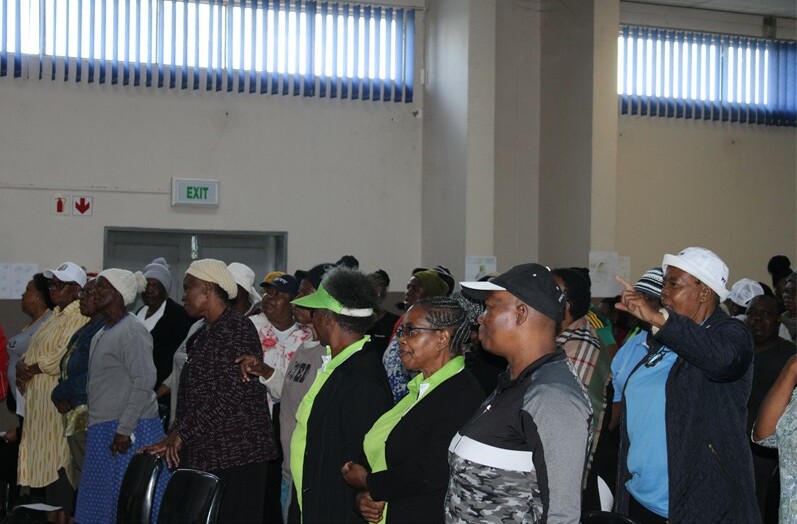
As the DoH continues to promote public health and hygiene awareness, residents are urged to remain vigilant and committed to maintaining good hygiene practices in homes, schools, healthcare facilities, businesses, and public spaces.
Through collective responsibility and simple daily actions, communities can significantly reduce the spread of infections and protect the well-being of all residents.
Do you have more information about the story?
Please send us an email to bennittb@rekord.co.za or phone us on 083 625 4114.
For free breaking and community news, visit Rekord’s websites: Rekord East
For more news and interesting articles, like Rekord on Facebook, follow us on Twitter or Instagram or TikTok or WhatsApp Channel