
Metro faces violence claims over Plastic View evictions
An informal settlement community leader has accused municipal teams of pointing guns at children and assaulting residents during demolitions in Pretoria east, while the city pushes ahead with a new eviction bid.
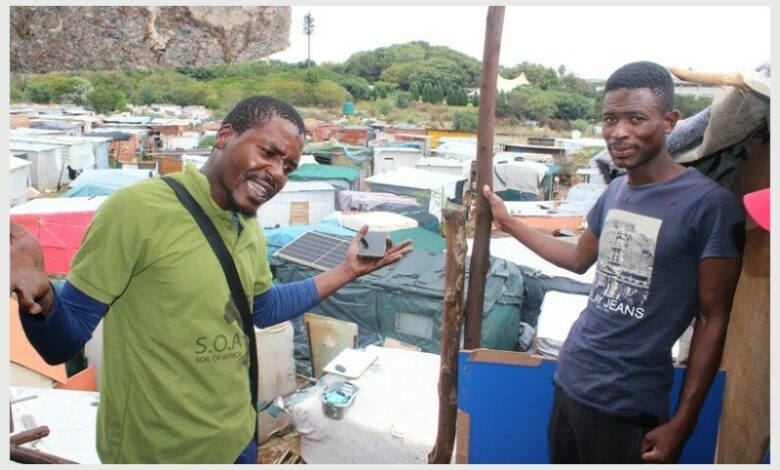
A community leader has accused City of Tshwane land invasion teams of using violence against residents in the Plastic View and Cemetery View informal settlements.
This follows the metro’s confirmation that it appointed service providers to monitor and prevent land invasions in the two informal settlements.
According to the metro, appointed service providers are deployed to demolish new illegal structures whenever they are erected.
Metro spokesperson Lindela Mashigo said these interventions are undertaken in line with relevant court orders for Plastic View and Cemetery View.
Mashigo said the city is working hard to prevent further illegal land grabs. “The metro is preventing illegal occupation of land through the community safety department.
“This department appoints the security company to prevent the invasion of land, including the demolition of illegal structures.” He said the city’s land invasions task team will demolish any new structures to prevent further occupation.
Mashigo added that an interdepartmental team was established to manage waste collection and removal, respond to noise and smoke pollution, combat expansion, and prevent the distribution of drugs.
Relocation plans and court orders
The city previously resolved to develop Pretorius Park Ext 40 to accommodate qualifying beneficiaries from Plastic View and Cemetery View. This entails relocating qualifying beneficiaries to Pretorius Park Ext 40, where they will be allocated subsidised housing.
Mashigo said Plastic View has been the subject of legal and planning processes since 2008, when neighbouring communities applied for the eviction of the informal settlement’s residents. “In November 2008, the High Court ordered the City of Tshwane to identify alternative land, develop a long-term housing solution and relocate the occupiers within one year.”
The metro said it complied with several aspects of the court order, except the relocation.
Housing timelines and pending eviction application
According to Mashigo, the relocation of Plastic View residents and the allocation of houses are currently expected to take place during the 2029/30 financial year.
Mashigo said 854 households have already been counted in the settlement, and that the subsidy application process will begin in the next financial year.
He added that only South African citizens would qualify for housing allocations, while non-South African residents would be addressed through processes involving the Department of Home Affairs.
“The city has also filed court papers requesting an eviction order as part of the broader process.”
Mashigo said delays in the relocation process have largely been caused by technical approvals related to infrastructure design, site development plans, and a water use licence application, reporting that the city has instituted an eviction application.
Lawyers for Human Rights are opposing the application on behalf of the affected occupiers. The matter has not yet been allocated a hearing date. He said the city has not adopted a resolution to implement in-situ upgrading for the two informal settlements.
Mashigo said the city holds continuous engagements with residents, including those from Plastic View and Cemetery View, with the last consultation taking place during the Integrated Development Plan and Budget Review meeting around April this year.
Community leader rejects eviction claims
Banele Tsuku, leader of the settlements, accused the metro’s land invasion teams of attacking the community. Talking to Rekord Tsuku alleged: “The Tshwane land invasion teams beat our people for cameras – we owe you no apology.”
He claimed residents are treated as criminals when they are called land invaders. “Who invaded this land first? Who holds 70% of the land while we fight for 10m of plastic? Tshwane calls us illegal – how can an African be illegal on African soil?”
Tsuku said Tshwane must stop calling evictions by the land invasion task team ‘law enforcement’.
“It is violence when you kick a grandmother’s door at 04:00. It is violence when you point a gun at a 12-year-old, destroy their things and arrest a mother because she has nowhere else to go.”
Tsuku further questioned the metro on the process it will use to allocate social houses, claiming the city does not engage Plastic View and Cemetery View leaders and lacks a database of dwellers. He said without a database, new people will come to claim housing, questioning how the city will ensure the right beneficiaries receive the houses.
He said residents have waited more than two decades for relocation while repeated commitments produced no tangible results.
The Tshwane metro did not reply to queries surrounding the residents’ allegations of being treated violently.
Louise du Plessis from Lawyers for Human Rights said the organisation is opposing the Tshwane application on behalf of the affected occupiers.
Du Plessis described the city’s application as ‘very poor’, saying it appeared to have been brought under pressure and was politically motivated, as it was filed just before the local elections.
She said when the matter came before court, it was struck from the unopposed roll, with the city now required to file a replying affidavit before a new court date is allocated.
She added that in their defence, they will argue that the metro always runs to court but never engages with occupiers or finds a mediator to resolve settlement issues.
Do you have more information about the story?
Please send us an email to bennittb@rekord.co.za or phone us on 083 625 4114.
For free breaking and community news, visit Rekord’s websites: Rekord East
For more news and interesting articles, like Rekord on Facebook, follow us on Twitter or Instagram or TikTok or WhatsApp Channel


