Tshwane residents urged to watch for malaria symptoms as Gauteng cases rise
Mozambique accounts for 59% of the province's reported malaria fatalities this year, prompting intensified community awareness drives at busy taxi ranks and bus stations ahead of peak travel periods.
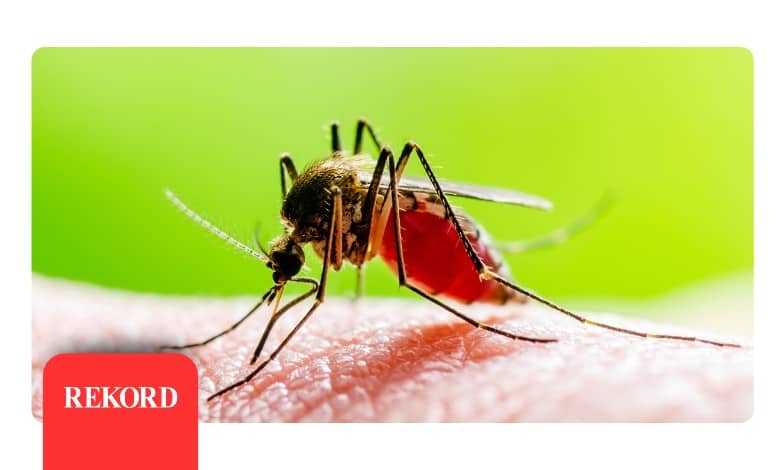
Travellers heading to malaria-endemic regions face heightened infection risks, with 17 deaths recorded across Gauteng by the end of September.
The Tshwane District Health Service (TDHS) has urged residents to watch out for malaria symptoms as cases increase across the province.
The Gauteng Department of Health (GDoH) said while the province is regarded as non-endemic, residents must remain cautious about the risk of contracting malaria while travelling to locations where the disease is prevalent.
Malaria is a life-threatening disease caused by parasites that are transmitted to people through the bites of infected female mosquitoes.
In 2025, the GDoH recorded 666 malaria cases, which resulted in seven deaths between January and December. The statistics were released by the GDoH on Thursday, November 12.
However, 768 cases and 17 deaths were recorded by the end of September this year, indicating a 38.6% increase from the previous year.
Fifteen of the 17 fatalities this year had a travel history to countries within the Southern African Development Community (SADC) region, with Mozambique accounting for 59% of the reported deaths.
The GDoH has since joined the call from the SADC for regional co-operation, prevention and surveillance by appealing to residents in all five districts who are travelling to malaria-endemic areas to visit travel clinics and take precautions before and after travelling.
Outreach targets high-risk travellers
“The common signs and symptoms of malaria include headaches, general body aches and pains, body weakness, nausea, vomiting and diarrhoea. Community members are encouraged to seek medical attention if they experience these symptoms,” said TDHS health promoter Andani Khomola.
Community awareness activities have been intensified at identified hotspots in high-risk populations, particularly during peak travel periods such as public holidays and the festive season.
These activities include outreach at taxi ranks, bus stations and other strategic locations to educate travellers about malaria prevention, symptoms and the importance of early treatment.
La Niña flooding drives regional cases
Severe flooding triggered by the early 2026 La Niña weather system damaged infrastructure and displaced communities, driving sharp increases in malaria cases across several SADC nations, according to The National Institute for Communicable Diseases.
These nations include: Democratic Republic of Congo, Mozambique, Angola, United Republic of Tanzania, Zimbabwe, Malawi, Zambia, Madagascar, Comoros, South Africa (specifically Limpopo, Mpumalanga and KwaZulu-Natal), Namibia and Botswana.
Watch the awareness video on Facebook: https://www.facebook.com/reel/4608974886006720
Do you have more information about the story?
Please send us an email to bennittb@rekord.co.za or phone us on 083 625 4114.
For free breaking and community news, visit Rekord’s websites: Rekord East
For more news and interesting articles, like Rekord on Facebook, follow us on Twitter or Instagram or TikTok or WhatsApp Channel