
Tshwane District Health Service hosts youth indaba in Atteridgeville
Young mothers, learners and parents gathered at Kalafong Hospital to share lived experiences and shape practical ways to tackle early pregnancies.
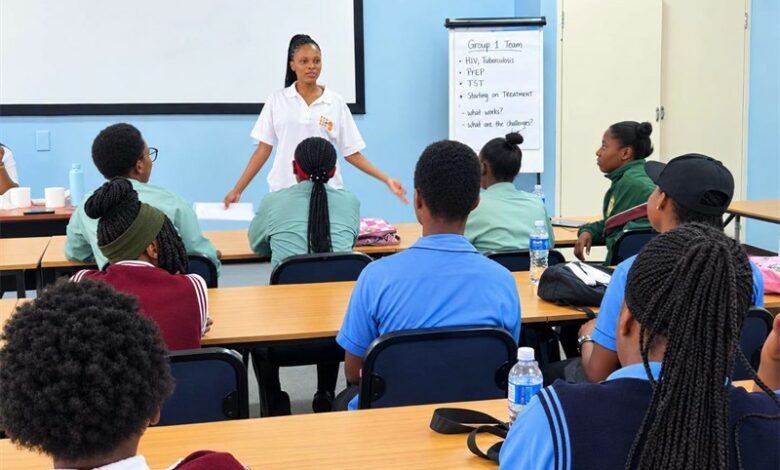
The Tshwane District Health Service (TDHS) held a youth indaba at Kalafong Hospital’s Regional Training Centre (RTC), where attending adolescents were sensitised on the impact of early pregnancies.
The event was hosted in collaboration with the United Nations Population Fund (UNFPA), with a focus on strengthening teenage pregnancy prevention, supporting young mothers and encouraging a return to their studies.
Three schools from Atteridgeville, namely Flavius Mareka High School, Edward Phatudi Secondary School, and Saulridge Secondary School, were invited to attend and participate in the indaba.
Programme strengthens peer support
Another key focus was the strengthening of the Youth Mentor Mother (YMM) Programme, an initiative that offers peer support, mentorship, and referral pathways.
Attendees got to share their experiences, talk about their grievances, and explore solutions.
Because the programme operates inside public primary healthcare facilities, residents can reach it by visiting their nearest local municipal or provincial clinic.
TDHS Youth and Integrated School Health Programme manager Mary Mlangeni said the indaba came as a result of the teenage pregnancy intervention plan launched by the former health MEC, which required provincial districts to find ways to combat teen pregnancies in their communities.
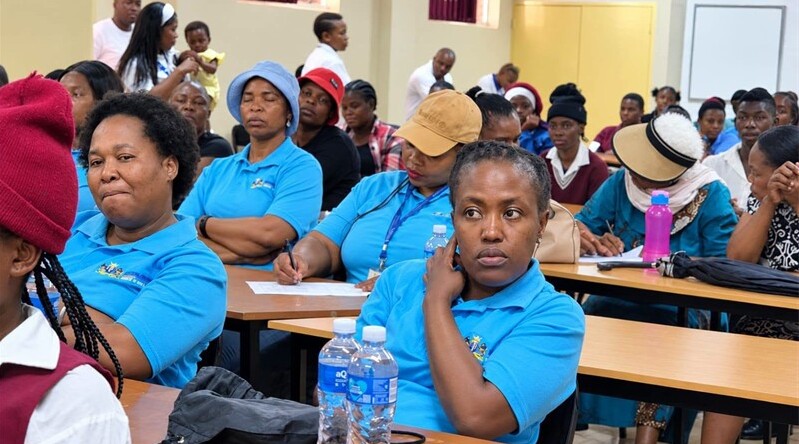
“The learners were accompanied by their parents as well. We split them into groups, so that they can share their experiences with each other and discuss issues that contribute to adolescent pregnancies. The purpose of this youth indaba is to learn from the experiences that they have shared.
“After this, we will look at the feedback reports and come up with interventions that are meant to support them in reducing adolescent pregnancies. We also want to retain those who have already fallen pregnant back into school and encourage them not to give up on studying. With the help and support of the parents, of course, we really appreciate the parents who came, as they can also share their experiences as well,” Mlangeni said.
Practical tips for learners
Use contraceptives consistently (oral pills, implants, and condoms). Using dual protection – combining a hormonal method with a condom – provides the strongest protection against both pregnancy and STIs.
Access clinic youth services early. Learners were encouraged to visit Adolescent and Youth Friendly Services (AYFS) at their nearest clinic to ask questions, get screened, and receive confidential reproductive healthcare without fear of judgement.
Know about emergency and HIV prevention tools, PrEP (pre-exposure prophylaxis) and PEP (post-exposure prophylaxis), to protect their overall sexual health.
Resist peer pressure and focus on goals. Learners were urged not to feel pressured into sexual activity just because friends are doing it. Instead, they advised learners to practise self-discipline, delay sexual debut, and stay focused on their education and long-term career aspirations.
Keep open communication with parents and caregivers.
Avoid high-risk situations and coercive relationships. Discussions also highlighted avoiding substance abuse and steering clear of transactional or age-disparate relationships, where power imbalances make it harder to negotiate safe sex.
The indaba also highlighted the importance of having young voices present during these engagements, as the interventions can play a direct role in their lives.
Do you have more information about the story?
Please send us an email to bennittb@rekord.co.za or phone us on 083 625 4114.
For free breaking and community news, visit Rekord’s websites: Rekord East
For more news and interesting articles, like Rekord on Facebook, follow us on Twitter or Instagram or TikTok or WhatsApp Channel


