Non-payment grows Tshwane debtor’s book
Tshwane households' are mainly at fault for leaving the metro's finances in a crisis as debt climbs above R20-billion.
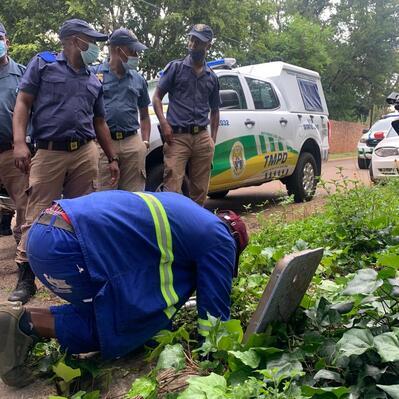
Tshwane metro is buckling under its debt weight.
In 2021 Tshwane’s burgeoning debtors’ book stood at R17-billion and had worsened to R20.8-billion as of March 16 due to the culture of non-payment.
The metro has blamed its inability to implement advanced technology to capacitate its collection effort to this high debt.
This debt has weighed heavily on metro finances increasing the risk of disrupted supply to basic services such as water, electricity, road maintenance, sanitation and even vegetation management.
The struggle to collect payments for services provided has resulted in the municipality in turn failing to meet its financial obligations to suppliers such as Rand Water and Eskom, which has in the past threatened to cut off supply amid debt squabbles.
Tshwane spokesperson Lindela Mashigo said that the debt has surpassed R20-billion is a concern for the metro as the culture of non-payment remains prevalent, despite various engagements with the residents.
“The City has failed to implement stringent measures to collect revenue because it has not fully implemented advanced technology – similar to the SARS system – to capacitate its collection efforts.”
Mashigo said giving rise to the high debt was the non-payment culture of councillors, business operators, embassies, residents and even Tshwane employees.
As of March 16, the Tshwane debt spread was:
– Residential – over R10-billion
– Businesses – over R5.2-billion
– Inactive – over R1-billion
– Indigents – over R1-billion
– Government – over R974-million
– Sundries – over R888-million
– Inter-Departmental – over R29-million
– Employees – over R26-million
– Embassies -over R7.2-million
– Councillors – over R2.9-million
The total debt stood at R20 804 934 723.
“Our biggest challenges at this stage to sustain our credit control actions are illegal connections, disruptive actions against the team executing credit control which is increasing daily, indigent consumers tampering with restrictors and excessively runs up the debtors’ book.”
He also said another cause of high debt was high unemployment which resulting in reduced customer spending and lower business revenue.
“The metro will continue to enforce credit control and legal action against defaulting consumers; current strategies are being reviewed and evaluated to improve the success rate.”
In 2022 Tshwane strengthened its revenue collection drive by implementing the Tshwane Ya Tima campaign which resulted in it recouping R700-million of the arrears last year.
The campaign was to improve electricity revenue collection after it decreased significantly from October 2021.
The National Treasury local government revenue and expenditure report for the second quarter of the 2022/23 revealed that municipal consumers owed R305.8-billion.
“The largest component of this debt relates to households, which account for R217.7-billion.”
It stated that this was R15.3-billion higher than in the first quarter.
It reported that metropolitan municipalities were owed R154-billion, while R128-billion was outstanding in the second quarter of 2021/22 and that Tshwane was among the largest contributors to this debt with R256.7-billion owed for more than 90 days.
“Households in metropolitan areas are reported to account for R115.1-billion, followed by businesses at R30.5-billion. Debt owed by government agencies is at R7.6-billion.”
Treasury was further concerned municipalities could not realistically collect the historic debt that had accumulated over an extended period, some with interest but warned there could be implications to this debt being written off.
It said that the municipalities owed creditors about R86-billion.
“An increase in outstanding creditors could be an indication that municipalities are experiencing liquidity and cash challenges and consequently are delaying the settlement of outstanding debt owed.”
The report was prepared using figures from the Municipal Standard Chart of Account (mSCOA) data.
Do you have more information about the story?
Please send us an email to editorial@rekord.co.za or phone us on 083 625 4114.
For free breaking and community news, visit Rekord’s websites: Rekord East
For more news and interesting articles, like Rekord on Facebook, follow us on Twitter or Instagram