Rising tariffs, declining services anger Queenswood residents
For many in Queenswood, the equation is unnerving: they pay more, but receive less. Families struggle under tariff hikes while facing unexpected water cuts, power outages, and streets riddled with sinkholes.
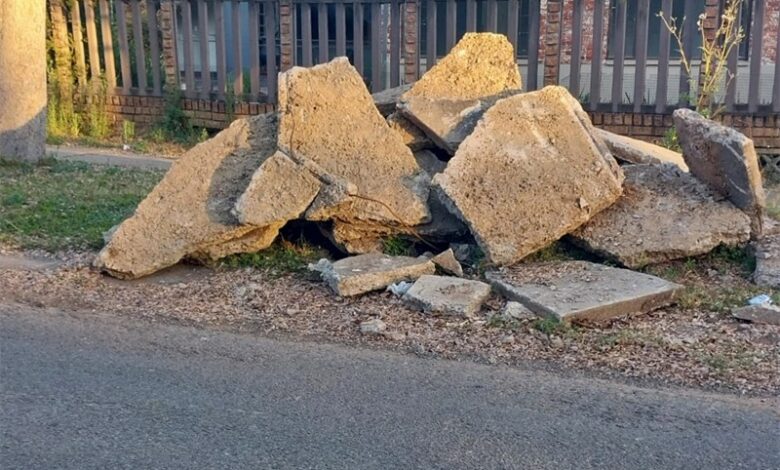
Residents are struggling with rising costs while facing a decline in basic services, and water being wasted through delays in repairing leaks.
Since July, households have faced sharp tariff increases, straining already stretched family budgets.
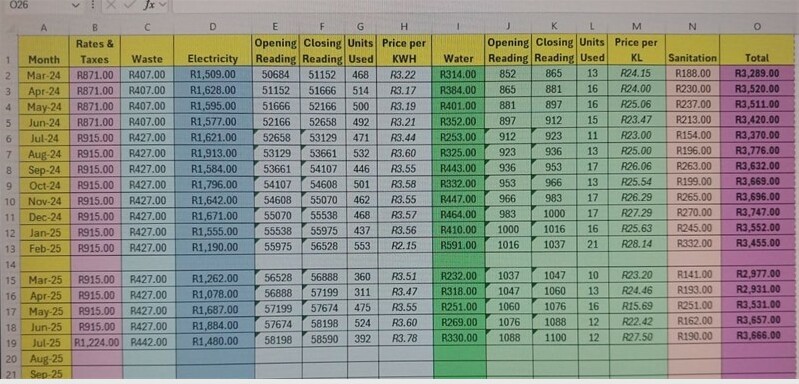
According to meticulous calculations by a resident in Queenswood in the Moot, who has tracked municipal accounts since last year, the property rates and taxes for houses in their street rose by about 40%.
Electricity also went up 17.39%, water by 13.86%, waste services by 8.6%, and even sanitation, though only by 1.06%, also increased in Queenswood.
In total, an average household in Queenswood now pays 16.29% more to the metro every month.
When the metro announced tariff increases on July 5 that will have a significant impact on households from July 1, it indicated that water costs would increase by 13%, sanitation by 8%, electricity by 10% and refuse removal by 4%.
The metro also announced earlier that property rates and taxes on average would decrease by 4% from July 1, but a new general valuation roll would be implemented. The published valuation roll has sparked widespread criticism from homeowners who are unhappy with the outcome of their objections against valuations that have almost doubled in some instances.
The question on the mind of residents remains: What are they paying for?
“We pay more, but see less service,” said a resident of Dormer Street.
In recent months, Queenswood has become accustomed to streets flooded with water from burst pipes.
One resident recalled waiting almost 48 hours for a leak to be fixed, by which time the water had eroded the ground beneath her boundary wall and caused a sinkhole in front of her house. Although the pipe was repaired, the fix did not last, and within days the leak returned.
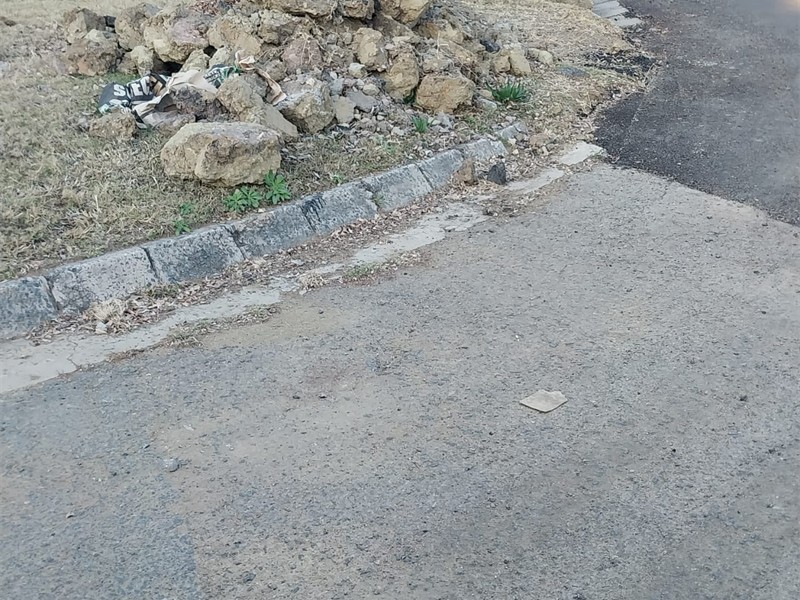
Leaks are not only wasteful but also damage roads. On the corner of Carter Avenue and Shilling Street, a growing pothole poses a huge risk to motorists.
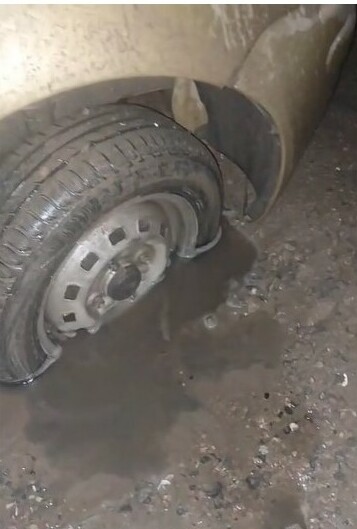
“The road surface near the Webb and Shilling circle is disintegrating completely. The metro also does not clean up where they have worked. We are living in a very expensive dump,” one resident complained.
Electricity has also become unreliable. On August 17, Queenswood went without power for almost 12 hours, a situation locals say has become more frequent.
Added to this are piles of rubble left behind after repair work. “The metro’s teams dig up, repair, and leave. We never see the second team, who is supposed to tar the road or remove the rubble,” a frustrated resident said.
Ward councillor Anru Meyer acknowledged that burst pipes are repaired once reported, but added that overtime on weekends is costly and needs prior approval.
“We are working on lowering the pressure from the Queenswood Reservoir. With the regulator in place and working, damage should be minimal if bursts occur. Potholes take about two weeks to repair after being reported,” he said.
Meyer admitted, however, that there are no long-term plans to replace Queenswood’s water pipes, as the metro’s main focus has been on electricity.
Residents are also angered by what they see as double standards.
Councillor Dana Wannenburg pointed out that water leaks often run for more than 25 hours without being fixed, while municipal swimming pools have been closed for over seven months.
“The hypocrisy is staggering. This administration wastes water with breathtaking carelessness but keeps our children from swimming,” he said.
According to him, the metro has now asked Rand Water to lift Level 1 water restrictions so that pools can reopen by September.
Since January, most municipal swimming pools, including those frequently used by schools, have been closed due to Level 1 water restrictions imposed by Rand Water. These closures are a direct response to ongoing water supply concerns and the municipality’s obligation to conserve water resources.
An application for authorisation to re-open the pools recently was submitted to Rand Water by the metro. If approved, the targeted reopening date for pools is September 1. However, this is contingent on Rand Water granting permission under the current restriction framework.
Do you have more information about the story?
Please send us an email to bennittb@rekord.co.za or phone us on 083 625 4114.
For free breaking and community news, visit Rekord’s websites: Rekord East
For more news and interesting articles, like Rekord on Facebook, follow us on Twitter or Instagram or TikTok.