Tshwane to formalise Letlotlo and Thusanang Informal Settlement
The formalisation project is expected to be rolled out in phases, starting with the verification of households and the establishment of proper service infrastructure before the construction of permanent housing.
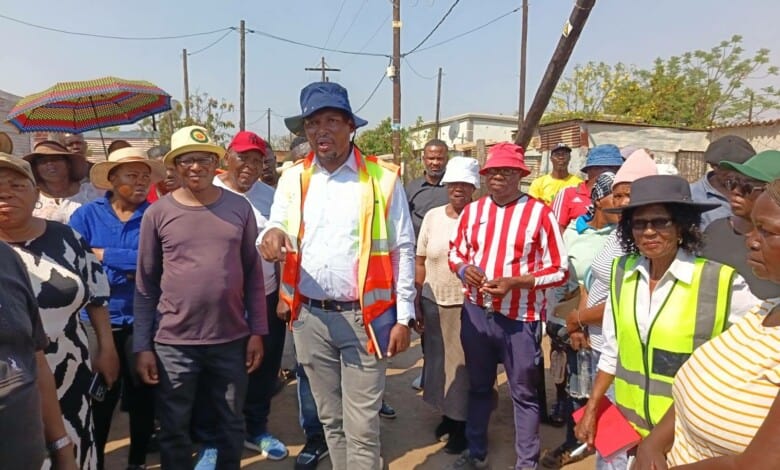
The MMC for Housing and Human Settlements, Aaron Maluleka, conducted an oversight visit to the Letlotlo and Thusanang informal settlements on August 25, in a move aimed at addressing the housing crisis and improving service delivery in Mabopane.
The visit forms part of Tshwane’s broader strategy to formalise informal settlements in Region 1 (North-western) and ensure residents have access to dignified housing and basic services.
Letlotlo informal settlement, located in Ward 12, is home to 58 dwellings, while Thusanang, in Ward 21, accommodates 172 shacks.
Both settlements previously fell under the jurisdiction of the North West provincial government, before being incorporated into Gauteng, and now fall under the Tshwane metro.
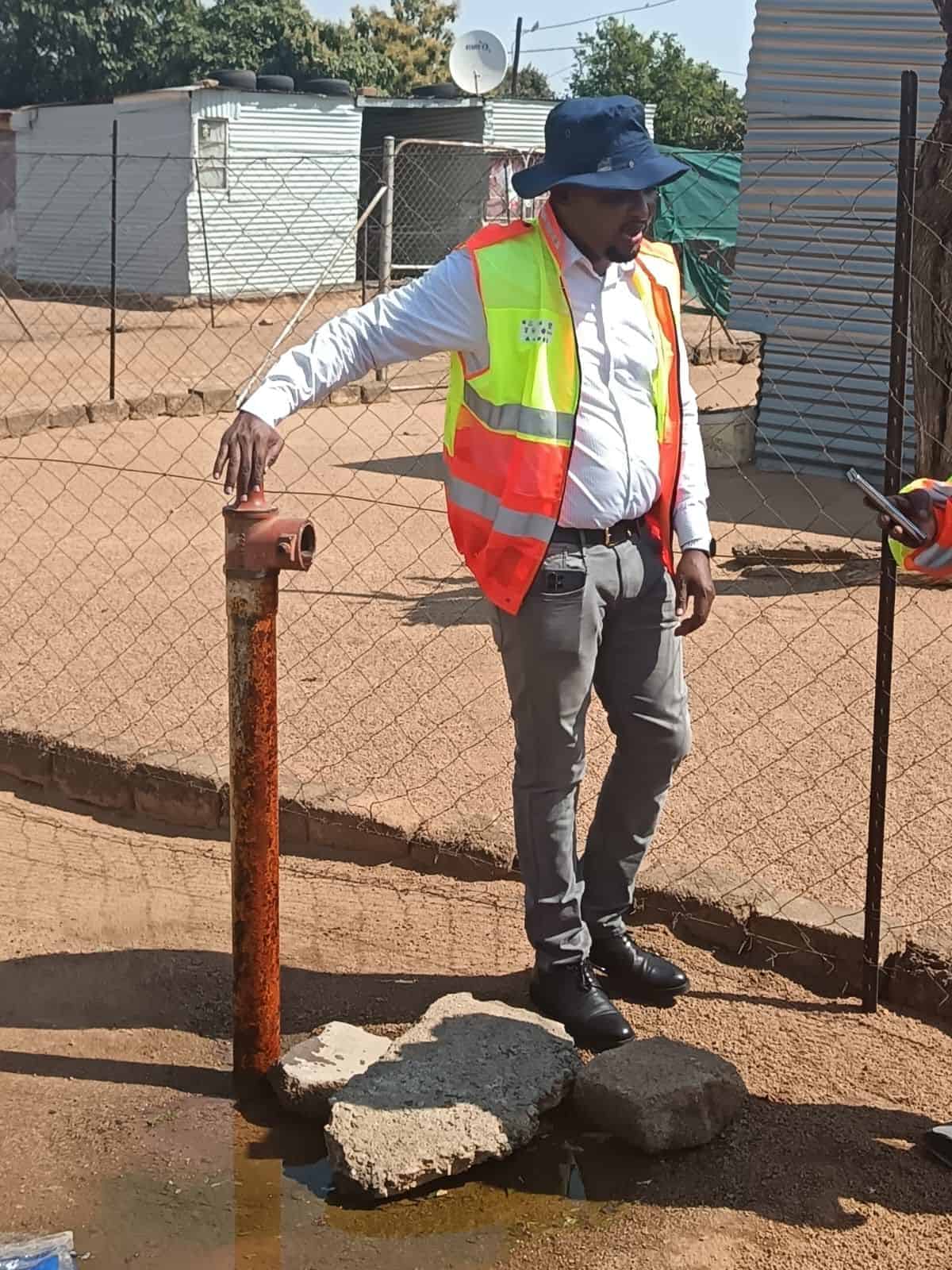
Currently, residents of the two settlements rely on illegal water connections from communal taps, pit toilets, and electricity connections provided through Eskom.
The absence of formalised infrastructure has not only created unsafe and unhygienic conditions but has also left communities vulnerable to service disruptions and disputes.
During his visit, Maluleka announced that the Department of Human Settlements had recently received power of attorney to formalise the settlements.
This means the municipality can now begin the process of bringing Letlotlo and Thusanang into its official housing and development plans.
“The formalisation of these settlements is a crucial step toward restoring dignity to our people. It allows us to start planning for the provision of water, sanitation, roads, and proper housing,” said Maluleka.
He emphasised that the department’s priority was to ensure residents no longer live under the constant uncertainty of insecure tenure and lack of services.
Maluleka also used the opportunity to warn residents against selling their stands through affidavits or informal cash transactions.
Such sales, he explained, have no legal recognition and could lead to disputes or dispossession in the future.
“We urge residents not to fall into the trap of selling land illegally. Any such transaction will not be recognised by the metro or the courts,” he said.
He encouraged residents who wished to apply for social housing or Reconstruction and Development Programme (RDP) houses to register through their regional municipal offices.
To assist residents in accessing government-subsidised housing, Maluleka outlined the criteria for registration on the National Housing Needs Register.
Applicants must be South African citizens or permanent residents, over the age of 18, and may be married, single, widowed, or divorced.
The household’s gross income should not exceed R15 000 per month, and neither the applicant nor their spouse should have previously owned property or benefited from a housing subsidy.
Maluleka reaffirmed that the metro remains committed to its constitutional duty of providing access to adequate housing.
“Every South African deserves a place they can call home, with dignity and basic services. Our responsibility is to make that a reality,” he said.
The formalisation project is expected to be rolled out in phases, starting with the verification of households and the establishment of proper service infrastructure before the construction of permanent housing.
ALSO READ: Pretoria police appeal for help finding woman missing for weeks
Do you have more information about the story?
Please send us an email to bennittb@rekord.co.za or phone us on 083 625 4114.
For free breaking and community news, visit Rekord’s websites: Rekord East
For more news and interesting articles, like Rekord on Facebook, follow us on Twitter or Instagram or TikTok.