Pollution chokes Rietvlei Dam, birdcount drastically down
Rietvlei Dam’s worsening pollution is killing waterlife like fish and birds at an alarming rate. Research led by Dr Michael van der Laan of the Agricultural Research Council reveals soaring phosphorus levels driving toxic algal blooms and fish deaths, threatening biodiversity and posing health risks to nearby Pretoria residents. Bird counts have plunged since 1997.
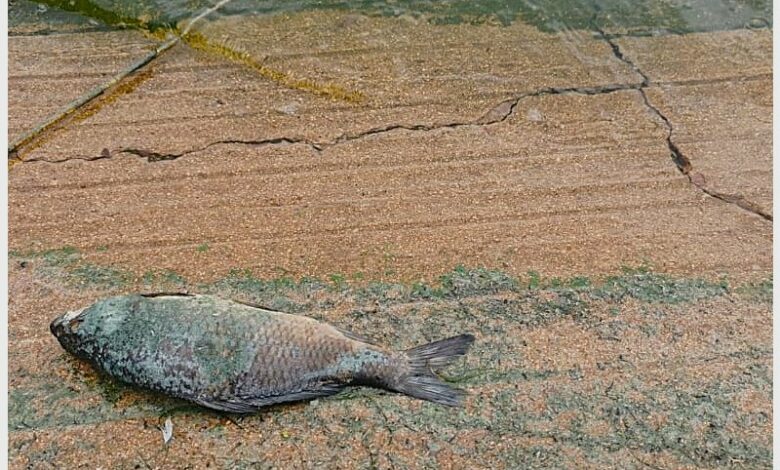
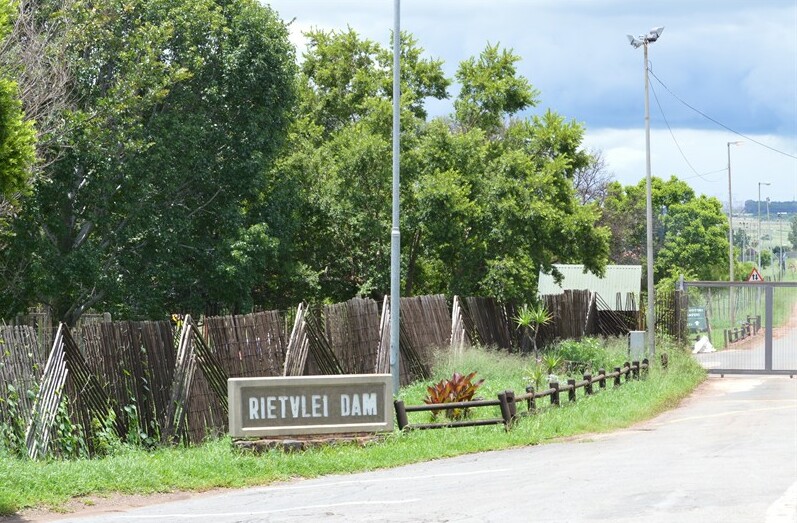
Once a sanctuary for wildlife and a lifeline for the city’s people, Rietvlei Nature Reserve and Rietvlei Dam are facing an ecological crisis that threatens both biodiversity and human health.
Thick, foul-smelling water now laps at the bird hides and fish lie dead near the Yacht Club and the skies above the reserve are quieter than ever with bird life declining.
Dr Michael van der Laan, specialist researcher at the Agricultural Research Council (ARC) in Pretoria, has been studying the state of the Rietvlei Dam and the Riet River system for years.
Together with Pfunzo Tshilume and Leusantha Mudaly, he co-authored a research paper published on November 4 examining water quality trends and waterbird counts in the reserve. Their findings paint a deeply concerning picture.
“The current water quality in the Riet River and Rietvlei Dam is a serious concern,” said Van der Laan. “Although Rietvlei has experienced water quality challenges for many decades, recent data indicate that pollution levels are extremely high.”
Monitoring results taken at the dam wall show that phosphate-phosphorus concentrations are not only elevated, but also increasing rapidly.
High phosphorus levels are a strong signal of sewage pollution and a driver of algal blooms, which deplete oxygen and suffocate aquatic life.
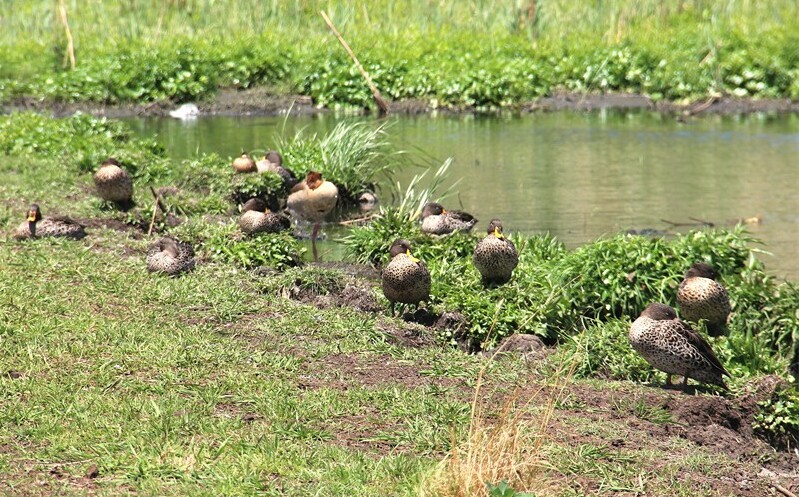
The consequences have already reached the birdlife that once drew nature lovers and scientists alike to Rietvlei.
BirdLife Northern Gauteng (BLNG) has received growing reports of fewer birds in the reserve.
These observations were confirmed by a detailed analysis of the South African Bird Atlas Project and Co-ordinated Waterbird Counts (CWAC), which track long-term population trends.
“The data confirmed that the total waterbird counts declined significantly between 1997 and 2025 on the Marais and Rietvlei dams,” said Van der Laan. “On average, there has been approximately one bird leaving (or dying) every two weeks.”
The Rietvlei Dam is more than just a wildlife refuge. It is one of Pretoria’s most critical water sources, feeding treated water into the city’s supply network.
“Rietvlei is an important source of raw water that can be treated and distributed as drinking water to residents of Pretoria,” he explained. “While earlier reports suggested it supplied about 18% of Pretoria’s drinking water, the current estimate is closer to 5–6%, likely because of water quality issues. The drinking water treatment plant is currently not operational.”
Beyond its utility, Rietvlei holds immense social and ecological value. It provides a space for residents who might never otherwise see wild animals such as buffalo, zebra, or rhino, and it is a magnet for birders across the country.
“It is a famous hotspot for many rare and unusual birds,” Van der Laan added, “and birders are often willing to travel long distances to visit the reserve.”
The question, then, is what has gone wrong?
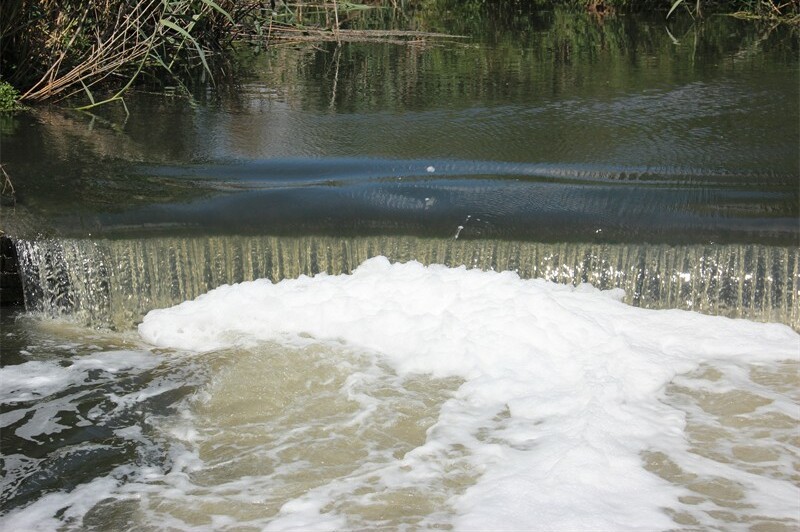
According to the ARC’s findings, the main culprits are clear: sewage leaks, failing wastewater treatment systems, and stormwater overflows.
“Such high phosphorus pollution must be coming from formal and informal settlement sewage, including leaking pipes and non-compliant wastewater treatment systems,” he said. “During the rainy season, these systems often spill over because of the large volumes of water moving through and being unable to keep up.”
Industrial detergents and soaps, which are rich in phosphates, likely worsen the problem. Agricultural runoff and livestock waste add smaller but still measurable contributions.
To combat this, the ARC and the University of Pretoria have partnered under a Water Research Commission (WRC) project to bring monitoring tools directly into the hands of the public.
“We are assembling a low-cost but accurate water quality test kit that can be used by non-technical people, including citizen scientists,” he explained. The data collected can be uploaded through an app and shared publicly via the Water Research Observatory website, creating a real-time picture of water quality across South Africa.
The test kit measures key indicators such as phosphorus, nitrate, electrical conductivity, pH, and E. coli. “The full kit costs about R6 200,” he said. “That is a lot for one person, but if we can share the kit or get support, it is a great investment for a community. The low cost per test means we can monitor our water regularly without breaking the bank.”
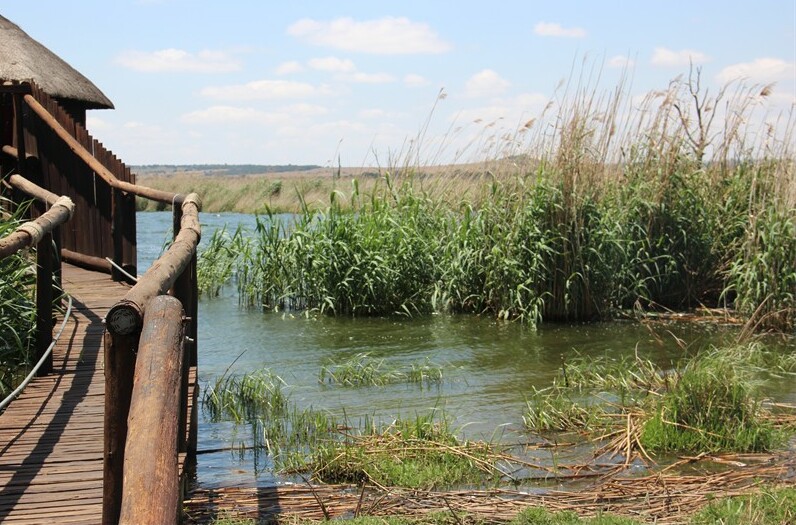
Recent months have revealed the visible impacts of Rietvlei’s decline.
“Most of the impacts have been aesthetic, with terrible smelling, almost black, greasy water, often with a lot of foam,” Van der Laan said. “Fish deaths were observed in late October at the first bird hide overlooking the dam and at the Yacht Club closer to the dam wall.”
These changes are not just unpleasant, they are dangerous.
Poor water quality threatens human health and undermines the safety of recreational activities such as sailing or fishing.
“We trust that drinking water providers treat water to the extent that it is safe to consume,” he cautioned. “But contaminants of emerging concern, such as pharmaceuticals, personal care products, microplastics, and pesticides, are being found in rivers and dams. These are not yet well understood, and the high phosphorus levels suggest that many other contaminants are likely present.”
The ecological risks extend beyond birds and fish. Contaminated irrigation water can transmit pathogens to crops, especially those eaten raw.
“There is a high risk of irrigating with this water,” Van der Laan warned, “especially for crops that are consumed raw as this can make people very sick.”
Responsibility for cleaning up Rietvlei’s water is complicated by municipal boundaries. The polluted water originates in Ekurhuleni and flows into Tshwane, requiring co-ordination between local governments and the national Department of Water and Sanitation.
“Currently, governance structures need to ensure money is correctly spent on improving water treatment plants,” he stressed. “This should be treated as an environmental emergency.”
Residents are understandably worried about whether the water in their taps remains safe. Van der Laan’s response is measured but cautious.
“From my viewpoint, water is safe to drink once it has passed through a properly managed treatment plant. However, there is a concept of acute and chronic health risks,” he said.
“Some pollutants may make a person very sick immediately, while others such as heavy metals have effects that only appear later in life due to long-term exposure. Access to drinking water quality data is not easy to obtain, so we do not know many of the risks.”
He added that the growing number of bottled and filtered water shops in Pretoria is a sign that public confidence in municipal water has waned.
“Many people in Tshwane do not trust the drinking water sources,” he noted.
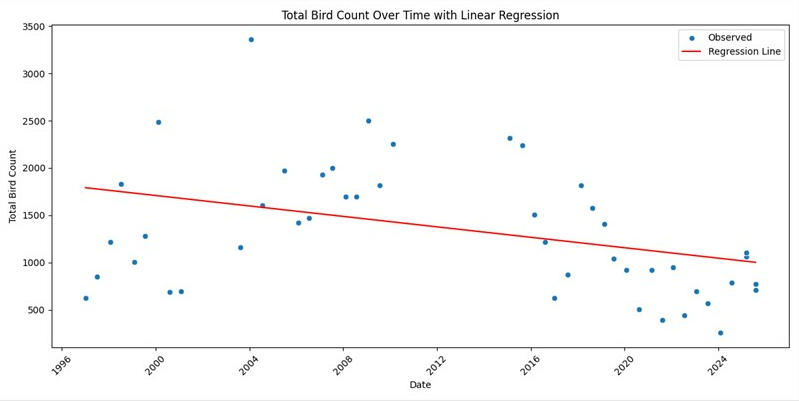
Rietvlei and Marais dams Coordinated Waterbird Counts (CWAC) between 1997 and 2025. Acknowledgement: Tania Anderson – SABAP2 Project Communications for the Co-ordinated Waterbird Counts (CWAC) data.
While the Rietvlei drinking water plant is not currently in operation, it is not directly responsible for the pollution.
“It is the wastewater treatment works upstream that are emitting high levels of untreated or partially treated sewage,” he clarified. “The water treated by the plant at Rietvlei is pumped into the drinking water pipe network and not back into the dam.”
BirdLife Northern Gauteng has expressed its deep concern over the situation. “We are aware of the situation and we are deeply concerned and saddened by it,” the organisation stated. “We know that it is being investigated and will see how we can help once we have more information.”
DA ward councillor Henning Viljoen said he has investigated on site the possible sources of the pollution with DA activist and candidate councillor from Faerie Glen, Jaco Geyser.
He added that they will soon attend a presentation with the Ekurhuleni Water Care Company (ERWAT) on what the company is doing to prevent polluted water from being dumped into streams feeding the Riet River and streams feeding into the reserve and the dam.
The ARC and UP are currently leading a project funded by the WRC to assemble a low-cost but accurate water quality test kit that can be used by non-technical people, including citizen scientists with no formal training. The measurements made can be uploaded to the Cloud on an app that works on any cellphone with a web browser and become available for everyone to see on the Water Research Observatory (www.waterresearchobservatory.org/citizen-science). Even those without any equipment can still submit geolocation
data, a photograph and notes to create a visual record over time at bit.ly/CitSciWQ.
Do you have more information about the story?
Please send us an email to bennittb@rekord.co.za or phone us on 083 625 4114.
For free breaking and community news, visit Rekord’s websites: Rekord East
For more news and interesting articles, like Rekord on Facebook, follow us on Twitter or Instagram or TikTok.