Serious patient harm reported in Pretoria hospitals
Patient safety in Pretoria hospitals is under serious strain, with 2 281 serious adverse events reported across 12 facilities last year. High numbers at George Mukhari, Steve Biko, and Weskoppies hospitals highlight urgent staffing, equipment, and management issues.
Twelve provincial hospitals in the Tshwane district reported 2 281 Serious Adverse Events (SAEs) between April 1, 2024, and March 31, 2025.
The figures reveal a worrying prevalence of incidents, highlighting ongoing challenges in quality care.
SAEs are incidents in which patients suffer unintended harm, potentially resulting in injury, permanent disability or death.
They often stem from substandard hospital conditions, medical errors, and systemic operational failures.
Gauteng’s public hospitals reported a staggering total of 7 386 SAEs last year, highlighting ongoing patient safety concerns in the province.
It represents an increase from 7 117 SAEs in 2024 and 6 910 in 2021, continuing a worrying upward trend that began in 2019.
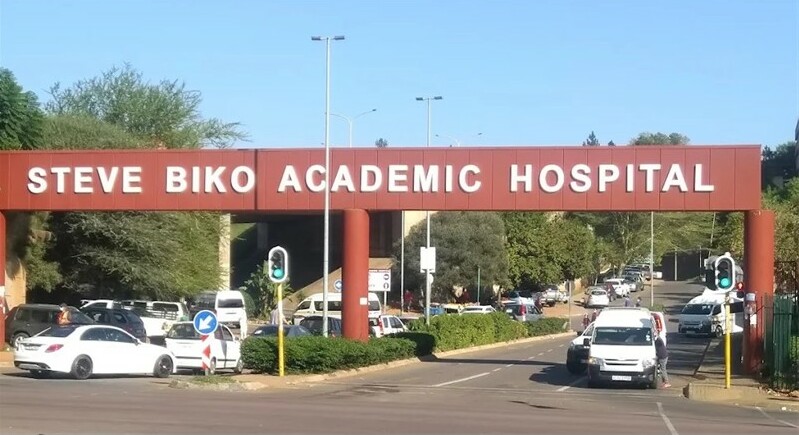
In Pretoria, Dr George Mukhari Academic Hospital in Ga-Rankuwa recorded 600 SAEs, while Steve Biko Academic Hospital reported 592.
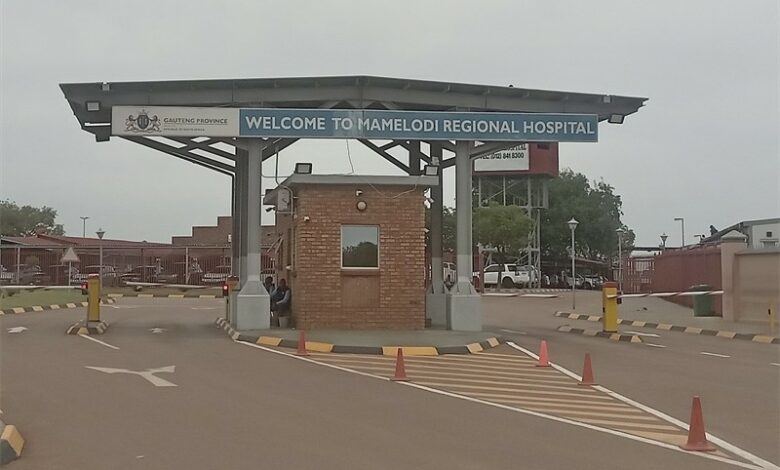
Weskoppies Hospital accounted for 426 incidents, Mamelodi Hospital (219), and Kalafong Hospital in Atteridgeville (200).
Smaller facilities also reported concerning numbers: Jubilee Hospital in Hammanskraal (47), Odi Hospital in Mabopane (38), Pretoria West Hospital (51), Cullinan Rehab Centre (69), Bronkhorstspruit Hospital (13), and Tshwane Rehab Hospital (13).
Despite thousands of adverse events across the district, only 55 disciplinary actions were recorded province-wide, highlighting a serious gap in accountability.
“Patients should be healed in hospitals, not suffer injury or death due to poor care,” said Dr Jack Bloom, DA Gauteng Shadow MEC for Health.
He added that many of these incidents could have been avoided with proper staffing, equipment, and oversight.
MEC of Health Nomantu Nkomo-Ralehoko explained in a letter on questions asked by Bloom in the Provincial Legislature that SAEs can arise from a wide range of causes. These include clinical procedures, medication and intravenous fluid errors, healthcare-associated infections, laboratory or pathology mistakes, infrastructure failures, patient accidents, and pressure ulcers acquired during or after admission.
Administrative and behavioural factors may also contribute.
She said to mitigate these risks, the department recommends adopting a culture of risk assessment, hazard identification, and consequence management for staff involved in SAEs.
Staff are to receive training and reorientation to close skills gaps, and standard operating procedures are being developed or updated.
She confirmed in the letter that hospital management is expected to conduct regular quality walkabouts, audits, and ward rounds to identify and address shortcomings.
However, the rise in SAEs indicates that these measures are insufficient, according to Bloom.
Bloom believes hospitals in Pretoria must improve their management practices, address staff and equipment shortages, and enforce disciplinary measures to prevent avoidable patient harm.
He called for urgent interventions at hospitals with disproportionately high SAE numbers.
Patient safety advocates stress that hospitals must be places of healing, not injury, confirmed Bloom.
“Public confidence depends on visible improvements in care quality and outcomes,” he said.
He emphasised the need for proactive monitoring, accountability, and strategic investment to prevent further incidents.
He pointed out that the SAEs figures from Pretoria hospitals, as well as province-wide, show a clear pattern: a small number of facilities account for the majority of patient harm.
“Immediate action is required to ensure that patients entering these hospitals receive safe and effective care. Without meaningful reforms, preventable injuries and deaths will continue to undermine trust in Gauteng’s public healthcare system,” he commented.
Do you have more information about the story?
Please send us an email to bennittb@rekord.co.za or phone us on 083 625 4114.
For free breaking and community news, visit Rekord’s websites: Rekord East
For more news and interesting articles, like Rekord on Facebook, follow us on Twitter or Instagram or TikTok.