Metro under pressure as Rietvlei Dam pollution escalates
With scientific data showing escalating pollution, political parties are demanding accountability on the Rietvlei Dam. The metro confirms upstream contamination. Whether the combined efforts of government, researchers and residents will be enough to save one of Tshwane’s most important natural assets remains to be seen.
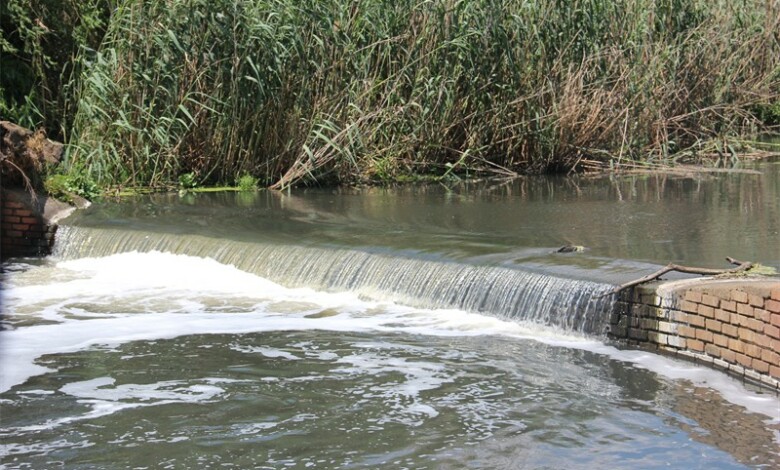
The pollution crisis at the Rietvlei Dam is deepening, prompting political pressure, scientific alarm and rising frustration among residents as evidence confirms deteriorating water quality and ecological decline in one of Tshwane’s most critical water sources.
During an oversight visit on November 14, the Freedom Front Plus (FF Plus) stated that it saw clear signs of sewage contamination flowing into the dam and surrounding rivers.
FF Plus councillor Dehan Harmse said the situation cannot be allowed to continue.
He said the party ‘will not ease pressure on the Tshwane Metro until the metro takes real, practical steps to stop the ongoing pollution at the Rietvlei Dam’.
Harmse said the pollution was ‘visible, widespread and clearly the result of untreated sewage entering the system’.
The party has written to Tshwane Mayor, Dr Nasiphi Moya and City Manager, Johann Mettler, demanding urgent intervention.
It has also called for a dedicated task team to accelerate the restoration process, warning that the problem is worsening rapidly.
Residents have echoed these concerns.
Several community members have contacted the party to express their shock at the state of the dam, once regarded as clean and well-maintained.
They reported seeing dead fish along the shoreline, as well as live fish with abnormal growths. One resident described the sight as ‘heartbreaking for anyone who knew this dam in better days’.
Recent scientific monitoring supports these observations.
According to Dr Michael van der Laan, who led recent water-quality tests at the Rietvlei Nature Reserve, ‘phosphorus levels are far beyond what the ecosystem can tolerate’.
Measurements taken in September and October showed concentrations several times higher than the legal limit of the eutrophication threshold – the specific concentration of nutrients, like phosphorus or nitrogen, at which a body of water begins to experience negative effects. Exceeding these thresholds can trigger conditions such as algal blooms, oxygen depletion, and loss of biodiversity, impacting the water’s ecosystem.
In river sections feeding the dam, phosphorus levels have reached five times the legal limit, while the dam itself recorded the highest levels in its monitoring history.
Dead fish recorded along the shoreline in late October correspond with low-oxygen conditions typically caused by nutrient overload.
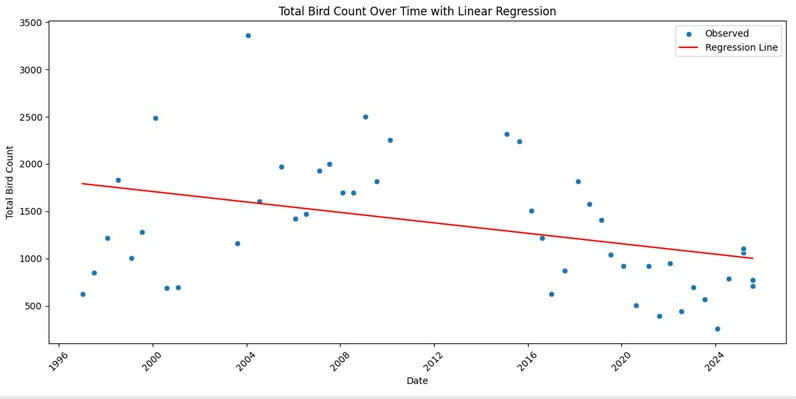
Van der Laan warned that long-term bird monitoring data also reflect ecological decline, with waterbird counts decreasing steadily between 1997 and 2025.
“Biodiversity, tourism, and even drinking-water security are at real risk,” he said.
Rietvlei Dam was originally built to supply water to Pretoria and historically delivered 41 million litres of drinking water per day.
This output has declined significantly in recent years due to failing infrastructure, poor maintenance of wastewater treatment plants and raw water contamination.
In response to questions about current efforts to safeguard water quality, spokesperson Lindela Mashigo said the metro closely monitors drinking water across its systems.
“Water quality is monitored daily against the SANS 241 standard,” he said, adding that the metro’s treatment works are registered on the national Integrated Regulatory Information System.
He confirmed that the metro undergoes intensive Blue Drop audits to ensure compliance with national processes.
Mashigo also acknowledged that the pollution entering Rietvlei originates upstream.
“The pollution is confirmed to be from the upstream Ekurhuleni’s ERWAT Hartebeestfontein Waste Water Treatment Works and the National Department of Water and Sanitation has already issued a directive to ERWAT,” he said.
Co-ordination between Tshwane, Ekurhuleni and national authorities is ongoing.
Mashigo said the Department of Water and Sanitation and the Gauteng provincial government convene regular meetings with both municipalities to address shared water challenges, implement restrictions and collaborate on water quality management.
However, the Rietvlei water treatment plant has been shut down for refurbishment.
Mashigo explained that ‘the plant is currently shut down until the abstraction point is tested and declared safe’.
He confirmed that the plant will be back online as soon as the water quality from the source improves.
He dismissed claims that the plant has been dormant for an extended period. “There is continuous work that is being done to optimise the plant. The plant has been functioning as expected.”
Asked about collaboration with the Water Research Commission, Mashigo responded that ‘the WRC should assist the upstream municipality’, naming the ERWAT Hartebeestfontein and Olifantsfontein works as the primary sources polluting the Hennops and Rietvlei systems.
“The metro is planning an emergency bioremediation intervention at Marais Dam and Sesmyl Spruit to help reduce nutrient levels and stabilise the ecosystem.”
Mashigo said accountability remains within the metro’s structures, but stressed that the pollution originates from outside the metro’s boundaries.
“The raw water quality was polluted from upstream and the city is working on methods to have the pollution managed to treatable magnitudes,” he said.
For residents and conservationists, the damage is already visible. Foul smells, algae blooms, fish deaths and declining birdlife have prompted fears that the reserve is reaching ecological breaking point. Visitors who have long enjoyed the area say the transformation is both rapid and shocking.
Harmse emphasised that action cannot wait. He said the community deserves ‘a metro that acts decisively when our natural resources are under threat’.
He warned that unless immediate steps are taken, the dam’s ecological and economic value may be lost indefinitely.
Do you have more information about the story?
Please send us an email to bennittb@rekord.co.za or phone us on 083 625 4114.
For free breaking and community news, visit Rekord’s websites: Rekord East
For more news and interesting articles, like Rekord on Facebook, follow us on Twitter or Instagram or TikTok.