City steps up GBV response efforts
As 16 Days of Activism kicks off, the metro unveils expanded programmes to confront rising gender-based violence and support survivors with dignity and care.
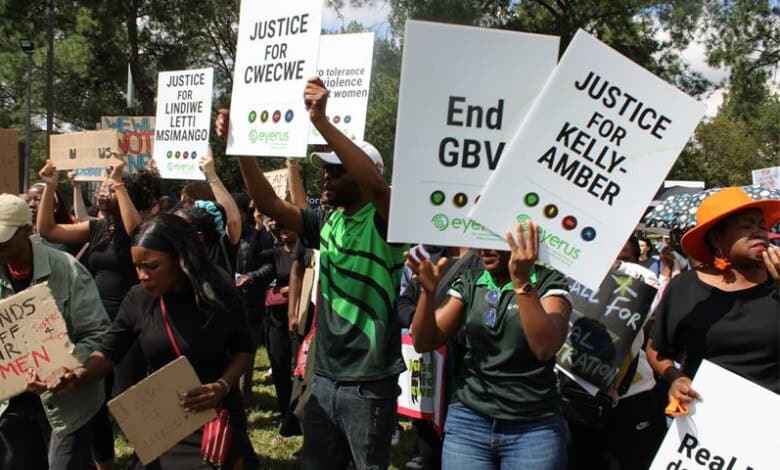
The Tshwane metro has reaffirmed its commitment to fighting gender-based violence (GBV) as South Africa marks the annual 16 Days of Activism for No Violence Against Women and Children.
MMC for Community and Social Development Services, Palesa Modise, said the metro is intensifying its intervention programmes in line with national priorities, the National Strategic Plan on GBVF and the 2025 campaign theme.
GBV remains one of the most devastating challenges confronting the country, having been declared a national crisis by the President and later elevated to a national disaster by the National Disaster Management Centre.
This classification highlights the need for urgent, co-ordinated and sustained action.
This recognition underscores the urgency of decisive, co-ordinated and sustained action across all spheres of government and communities.
“GBV is not only a social ill, but also a direct threat to development, stability and the well-being of residents. Every life harmed weakens the cohesion of families and communities, undermining the collective vision of a united, safe and prosperous Tshwane.”
Modise said throughout the campaign, the city will intensify awareness and support initiatives across all regions, focusing on prevention, protection, rapid response and survivor support.
“This includes expanding community education programmes, promoting accessible reporting mechanisms, enhancing partnerships with civil society and ensuring that survivors are supported with dignity, confidentiality and care,” Modise said.
She explained that central to this work is the city’s alignment with the National Strategic Plan.
The plan consists of prevention and rebuilding social cohesion, which emphasises sustainable prevention, rapid response and robust community mobilisation. To strengthen social cohesion remains essential to building communities that reject violence and cultivate environments of safety, empathy and mutual respect.
“In advancing this commitment, the city recognises the pivotal role of the Tshwane GBV Rapid Response Task Team, which remains instrumental in immediate case response, stakeholder co-ordination and ensuring timely support to survivors,” she added.
Modise said its work forms a critical pillar in localising the National Strategic Plan and continues to guide improvements in service delivery and community safety interventions.
“This year’s campaign is further anchored by the provincial theme: Letsema: Men, Women, Boys and Girls Working Together to End GBVF.
She said this theme reinforces the principle that eliminating GBV is a collective responsibility, one that requires active participation across all ages, genders and social groups. It calls for shared accountability, vigilance and a united effort to foster safer communities.
The city continues to focus on specific interventions in the following identified GBV hotspot areas: Akasia, Hammanskraal, Mamelodi West and Themba.
Modise said ending GBV requires a societal shift grounded in empathy, responsibility and a zero-tolerance approach to abuse.
“Silence, stigma and fear must give way to vigilance, compassion, and action from individuals, families, institutions, and communities.”
Modise said as the campaign commences, the metro calls on all residents, organisations and sectors to stand together in confronting this national crisis.
“The safety, dignity and humanity of every person are not negotiable. This is a shared responsibility, one that the city remains committed to championing, not only during these 16 Days but throughout the year.”
Do you have more information about the story?
Please send us an email to bennittb@rekord.co.za or phone us on 083 625 4114.
For free breaking and community news, visit Rekord’s websites: Rekord East
For more news and interesting articles, like Rekord on Facebook, follow us on Twitter or Instagram or TikTok.