Pretorians demand answers about Apies River pollution
There is a hope that increased co-operation between the metro, national authorities and neighbouring metros, as well as the community, would eventually lead to a turning point for Pretoria’s water sources. Metro spokesperson Lindela Mashigo confirms that pollution from the city centre contributes to contaminating water sources to the extent that it poses risks to
Residents are concerned about the rapid deterioration of local water sources, including the Rietvlei Dam, the Bon Accord Dam and various rivers and streams which flow through the city.
They warn that visible pollution, nasty smells and poor water quality increasingly pose a health and environmental risk.
Pollution coming from neighbouring metros, urban pollution, infrastructure under pressure and pollution due to illegal activities in the city centre are considered to be the biggest causes.
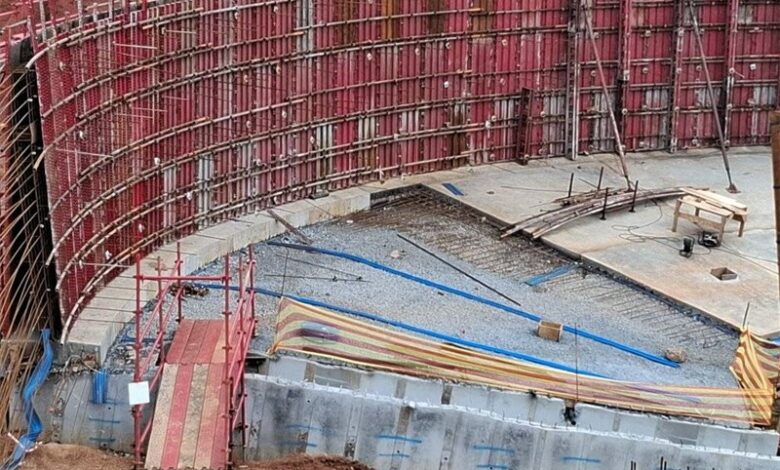
The ongoing pollution at the Apies River, especially, took on a new urgency as the decay of Rooiwal’s dysfunctional sewage treatment plant is increasingly singled out as the major cause of water pollution in the north of Pretoria.
The Rooiwal plant is designed to process millions of litres of wastewater per day, but it simply cannot keep up with the volume anymore.
With a recent oversight visit by the DA to the plant, it was found that only six tons of sewage sludge are processed every month instead of the 60–70 tons required.
The plant is suffering from years of poor maintenance, mechanical breakdowns and the lack of completed upgrades that were already recommended in 2004 and are currently being completed in various phases in a project between the metro and various partners.
However, residents from Pretoria West, West-Moot and Pretoria North believe that the dysfunctional Rooiwal plant is not the only culprit in the water pollution in the Apies River.
The river, one of the most important water courses travelling through several suburbs, is now considered to be one of the most serious cases of water pollution.
The river originates south of the city, flowing through Sunnyside, the city centre, the National Zoo and the Wonderboompoort and finally, north to the Bon Accord Dam. Despite its historical and ecological importance, the water quality is clearly deteriorating over large parts of its course.
Residents say they are becoming increasingly concerned about the smell and visible pollution in the water.
One resident explained that rubble and cloudy water often flow past their suburb in large volumes after rain and that on certain days, it looks like the sewage seems to end up directly in the river.
According to metro spokesperson Lindela Mashigo, pollution from urban areas is one of the problems of the Apies River.
“The Apies River is clean from the fountains to the city centre, but as soon as it enters the city centre, the pollution starts to accumulate. Activities in the city centre and the pollution of branches such as Steenhoven Spruit and Skinner Spruit negatively impact the water quality,” he said.
Mashigo also explained that a lot of the water pollution is a direct result of human activities in the city centre and Pretoria West.
“We are currently seeing that food and industrial waste from informal settlements end up in stormwater drains. Eventually, this material washes into the river. Then there are also the continuous sewer overflows and people abusing the stormwater systems by discarding used oil and chemicals.”
He added: “Marabastad’s trade, informal mechanical workshops in Pretoria West and sewage escaping from illegally occupied buildings are the major sources of water pollution in the city centre.”
The damage to the environment is already visible.
Mashigo warned: “High levels of nutrients such as nitrogen and phosphorus promote algae growth. The algae uses up the oxygen in the water, endangering fish, vegetation/flora and other aquatic life. It disrupts the whole ecosystem and leads to a loss in biodiversity.”
In addition to the ecological damage, the pollution also poses risks to humans.
According to Mashigo, “If the pollution is high enough and people come into contact with it, it may pose health risks. Bacteria, viruses, chemicals, heavy metals and even parasites can be present in polluted water and lead to illnesses.”
He said the metro could not confirm whether people are using the water for household purposes or farming. He added: “We have already warned communities not to use the water from rivers or streams for recreational, cultural or religious uses”.
The monitoring of water quality falls under the National Department of Water and Sanitation, together with the metro’s Water and Sanitation Unit.
Mashigo stated that fines are imposed on individuals or companies that violate municipal by-laws by dumping waste into drainage systems. The challenge, however, remains that violations often occur when enforcement is not present.
He believes the solution requires a joint effort.
“It is important that residents and companies comply with municipal by-laws. We must all work together to stop waste from ending up in stormwater systems. Community participation is essential. River clean-ups help, but prevention is the best protection for our water sources,” he explained.
He said better maintenance of stormwater and sewage systems is necessary to prevent pollution from continuing to choke the city’s dams and rivers.
“Improvements to infrastructure are essential to ensure the water that eventually ends up in the Bon Accord Dam, Rietvlei Dam and other water bodies is clean and safe.”
Do you have more information about the story?
Please send us an email to bennittb@rekord.co.za or phone us on 083 625 4114.
For free breaking and community news, visit Rekord’s websites: Rekord East
For more news and interesting articles, like Rekord on Facebook, follow us on Twitter or Instagram or TikTok.