
Pretoria residents urged to save water as El Niño and high temperatures strain supply
With rising temperatures and power outages threatening Pretoria's water supply, small changes at home can help conserve vital reserves.
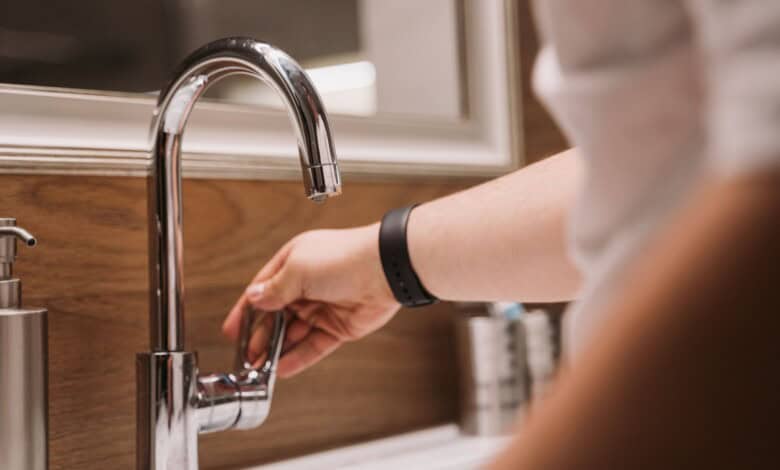
As temperatures rise and sunny days become more frequent in Pretoria, increased water use can put pressure on the city’s supply system.
It is not only the levels in dams that matter: high demand can also drain reservoirs and strain the network that delivers water to homes.
That network relies on pumps powered by electricity, so power outages can disrupt supply too.
The challenge is set to grow. According to a South African Weather Service statement, a strong El Niño event has formed in the Pacific Ocean and is likely to become a very strong event.
“The latest predictions are indicative that the El Niño will likely intensify further to become the strongest event in living memory,” the weather service noted.
In the home
Only use appliances that use water when they are full. Washing machines and dishwashers often use the same amount of water regardless of how full they are, resulting in more frequent use and more water wasted.
Take short showers or a bath. A bath will use less water than a shower that is longer than five minutes, but a quick bath could use more water than a short shower. A good rule of thumb is to think about how many litres per minute will be used. Usually, about 10 litres per minute come from a standard outlet in your home.
Use buckets in your home to manage water when cleaning. Washing cars or large objects with a hose can use more than a bucket of water per minute. Stick to a bucket system and keep one for rinsing and one for detergents and cleaning products.
In the kitchen
Keep a jug of water in the fridge. We often waste water letting the tap run before pouring a glass of water to get the cooler water that has not been sitting in the pipes.
Plug the sink or use a large bowl in the sink to retain water when you are working in the kitchen. This grey water can often be used in the garden too.
Do not run water over your food when doing cooking preparations. A bowl of water can just as effectively clean peeled vegetables as running water over them. Remember to keep meat products and vegetables separate until cooking for good kitchen hygiene.
In the garden
Turn off your irrigation timer and turn it on manually when needed. It may also help to give plants more water, but less frequently, as the water goes deeper after a good soak, lasting longer and reaching the roots where it is most needed.
Use garden refuse as mulch. Leaving a layer of organic material can help slow down evaporation and add nutrients back to the soil, just as nature intended. It can also help with reducing weeds in your garden beds.
Get rid of your lawn. Large lawns need a lot of water to keep them green and healthy. Indigenous water-wise ground covers and natural gardens can be stunning and a point of pride in your home.
If such a drastic change is not for you, cutting your grass longer than usual can reduce evaporation as the long grass blades shield the soil. Water during the coolest parts of the day, with mornings being best as this can reduce the chance of damaging fungus.
In general
Set aside time for maintenance. Maintaining your water pipes, taps, and fittings to reduce dripping and leaking can make a big difference. It can also help with spotting improvements that you can make, such as installing water aerators on your taps that can reduce the flow from the taps drastically.
We often throw used water down the drain that could be used for some cleaning or to water your garden and plants. However, it is important not to keep grey water for more than a day as it can breed bacteria.
Do not just leave checking your meter to city officials to track your water. Remaining conscious of how much you are using can help you identify times that water might be wasted.
Guests, kids, and employees will all use water, so get them involved or leave reminders to conserve water. You can even make it fun by making it a competition with your kids.
Do you have more information about the story?
Please send us an email to bennittb@rekord.co.za or phone us on 083 625 4114.
For free breaking and community news, visit Rekord’s websites: Rekord East
For more news and interesting articles, like Rekord on Facebook, follow us on Twitter or Instagram or TikTok or WhatsApp Channel


