
Leeuwkuil squatter case heard in court on Nov 1
The matter of the illegal occupation on land at the Leeuwkuil small holdings' plot 20 and 21 since August last year, is scheduled to be heard in the Polokwane magistrate's court on November 1.
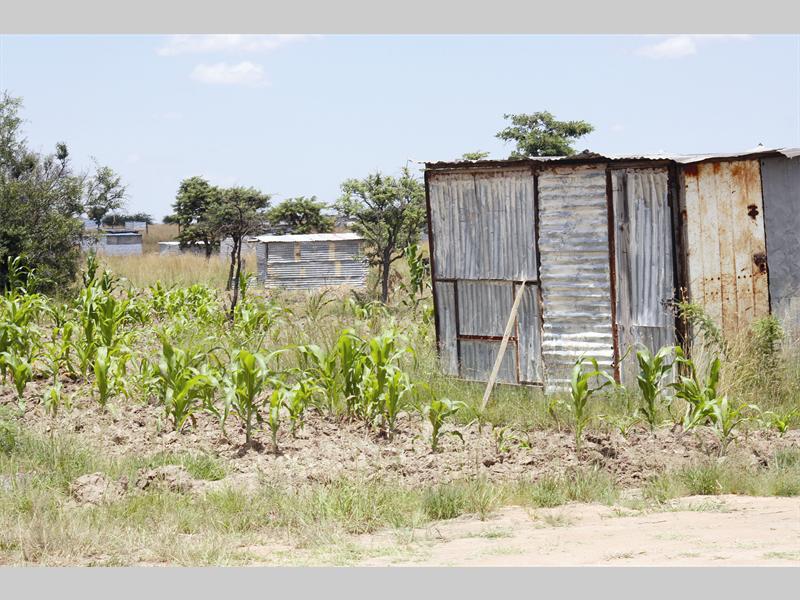
The matter of the illegal occupation on land at the Leeuwkuil small holdings’ plot 20 and 21 since August last year, is scheduled to be heard in the Polokwane magistrate’s court on November 1.
This is according to Malesela Maubane, spokesperson for the Polokwane Municipality.
The small holdings have not yet been rezoned from agricultural to residential land, but hundreds of families have settled on Leeuwkuil smallholdings 20 and 21.
The land was bought and handed over to land claimants by the department of rural development without making provision for rezoning on June 17 last year.
The land was classified as agricultural land and municipal regulations state that only one dwelling can be erected on agricultural land.
Practically overnight some 80 shacks were built on the land in August last year. The number of shacks had increased since, without any sewerage or other municipal services rendered to these settlers.
Neighbouring small holders said they were afraid that underground water would be contaminated. A land developer who preferred to remain anonymous, told Review that the price of surrounding land had dropped significantly and willing buyers could not be found.
The leader of the group who occupies the land, Esrom Mogano, accused the neighbouring landowners of racism.
He said the land was handed over to the claimants and they had waited long enough for their land claim to be settled.
He said the municipality was at fault and they knew about the claim, and should have seen to it that services were provided.
The municipality, however, had not planned or budgeted for any such settlement and said it would get a court order to remove the people, who were squatting illegally on agricultural land.
“Regarding the court order, the municipality intended to have the matter heard in May.
“However, due to difficulty in obtaining some zoning documents and correspondence between the municipality and the department of rural development and land reform in Pretoria, the matter could not be heard then,” Maubane said.
In the meantime no township has been established yet and the land is still zoned as agricultural land.
There was also a moratorium placed on the development of residential land and some business developments by the municipality due to insufficient water and electricity services in the city and the moratorium has not been lifted yet.
According to Maubane, in town planning stipulations acquiring of land use rights or the correct zoning can take up to two years before proclamation.
“Township establishments can take up to four years until all the conditions have been complied with, including the approval of general plans, the registration at the deed’s office, the laying of services.”
Nicholas Magada, spokesperson for the rural development department, told Review that town planners were busy with plans to turn the area into a sustainable rural settlement after consultation with the Capricorn District Municipality and the Polokwane Municipality.
He could not supply Review with a timeframe of when development would begin or finish.
The department’s sustainable rural human settlements programme is based on eco-friendly principles to assist people with inadequate access to services and public infrastructure in rural human settlements.
It is based upon the pillars of environmentally sustainable developed services and infrastructure to build climate resilience.
Review tried to contact the department of rural development’s office for comment, but no answers were available by the time of going to print.