
Debate and dialogue about xenophobia
PEOPLE recently came together to engage in a debate that supports the movement against xenophobia, called 'Dialogue on Xenophobia' at Tshwane University of Technology (TUT) in Polokwane.
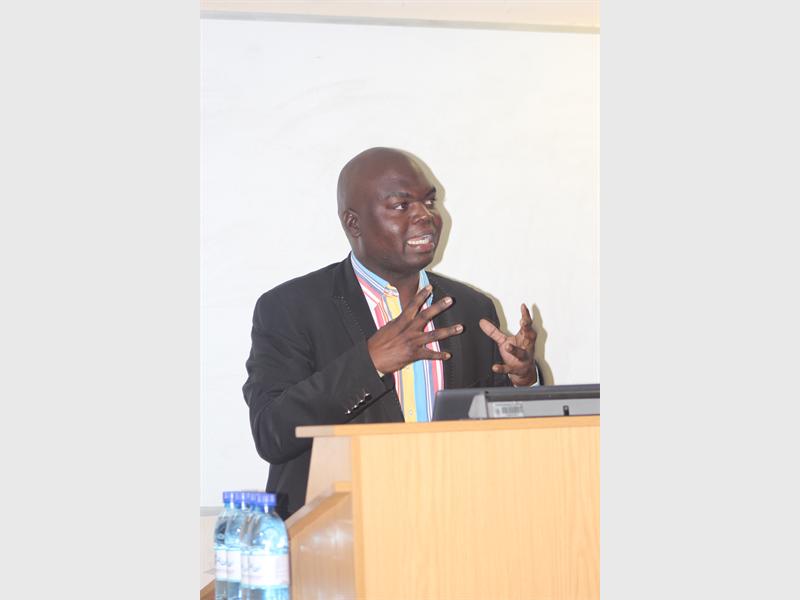
LIMPOPO – PEOPLE recently came together to engage in a debate that supports the movement against xenophobia, called ‘Dialogue on Xenophobia’ at Tshwane University of Technology (TUT) in Polokwane.
The event was hosted by the Public Relations Institute of Southern Africa (Prisa), Junior Chamber International (JCI) and TUT.
According to Prisa chairperson, Malesela Maubane, there was a great need to engage with communities about xenophobic attacks. “This is because we need to distinguish the causes and solutions to put it to an end,” he explained.
He said although the attacks first occurred in 2008, throughout the years the issue was forgotten. “Government, communities and other stakeholders need to take responsibility to stop these unnecessary black on black attacks. We need to raise awareness and educate people about the contribution other African countries made in South Africa during the Apartheid era.”
Maubane said the situation was absurd because it was only African foreigners who were being attacked. “We should respect them and allow them to have the same privileges because they are also residents in the country.
“Some of the foreign nationals have businesses and they contribute to our economy,” Maubane said.
He said South Africans could not ignore it if anyone was in the country illegally or if people were engaged in criminal activities, but instead of taking the law into their own hands, they should report such matters to the police to be dealt with legally.
Molebatsi Masedi, an attendee of the debate, said it was very sad that in the midst of xenophobia, people died, others were injured and property was destroyed. “We need to close the gap of ignorance among South Africans by educating them about the relationship we have with African countries,” said Masedi.
“Some of our political fighters were in exile in foreign countries during the Apartheid regime so we also have to welcome foreigners and live in peace with them.” He said every platform, from radio to traditional leaders should be used to raise awareness about the relationship South Africa has with these countries.
Clement Dankuru, vice resident of JCI, said people should be open minded towards this issue because not only was it disturbing, it was also sensitive.
He said the attacks were caused by frustrations people have towards those who had thriving businesses because South Africans claimed foreigners were taking their jobs. “We are afraid and failing to compete with them, which stimulates jealousy and hatred.”
“We are also capable of having our own businesses so we should learn from them and have healthy competition.”
Adv Lufuno Nevondwe from the University of Limpopo said the security system in the country should be changed so that government could control the number of immigrants rationally.
Nevondwe said it must limit some of the rights to foreigners so that South Africans did not feel the need to compete with them. He said the problems leading to the attacks should be identified and solutions found.