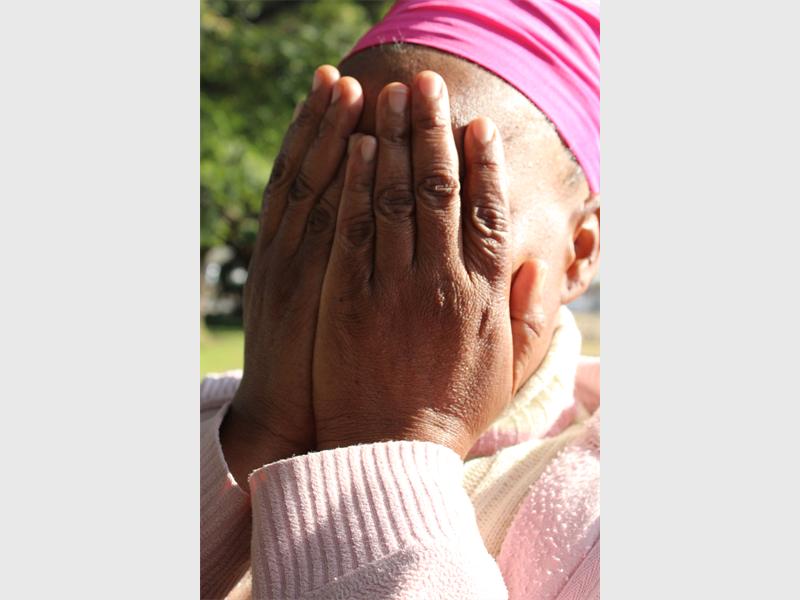
Elderly woman HIV+
"I have now been given a death sentence for being too old to protect myself." These were the words of a 67-year-old woman from Disteneng, who was recently diagnosed HIV positive after she was raped by young men in the area.
POLOKWANE – “I have now been given a death sentence for being too old to protect myself.”
These were the words of a 67-year-old woman from Disteneng, who was recently diagnosed HIV positive after she was raped by young men in the area.
On June 30, Review reported on elderly women in rural areas such as Disteneng who had falled victim to rape with no protection from residents or the police.
At the time of the rape, the 67-year-old woman told Review that older women lay in bed at night expecting to be raped.
“The younger men just come into your house and tell you that it is time to have sex. You do not have a choice, what they want they will get, because there is no one to protect you,”she said.
She said she had been a victim of rape numerous times and had no way to hide the shame she went through being the victim of someone who could be her own grandson.
She said living in an informal settlement or rural area meant there were no locked doors to hide behind and no police station close by.
“The nearest police station is almost 10km away. I do not have money to go there and walking at my age is not an option,” she said.
Review recently followed up with the woman following her ordeal and learnt of her diagnosis.
“I have no idea what I am going to do now. I have lived right, but now have to deal with the reality that I have an illness that has no cure. I cannot fight it like cancer and I can only try to stay healthy. But how do I stay healthy when I live in an area without proper sanitation?” she asked.
The woman said her main concern was not only her safety, but the safety of other women and young girls in the Disteneng area.
She said the young men who made a habit of raping the older women also slept with some of the younger girls, which spread the virus.
“I do not know how I will deal with my illness, but at least I know my status. Most people in the area never really go to hospitals and clinics where they can get tested and this means that more and more people will be infected and there is nothing I can do about it.”
Jacky Selepe, a nurse at the Pietersburg Provincial Hospital, said that HIV was manageable and could be treated with medication, which did not cure the patients, but helped them live longer and healthier.
She said the first step after testing HIV positive was to see a healthcare provider, even if you don’t feel sick.
“Prompt medical care is the best way to stay healthy. People with HIV work closely with their healthcare providers to decide when to start treatment and what HIV medication to take. Making these decisions begins with an HIV baseline evaluation that includes a review of the person’s health and medical history, a physical exam and lab tests.” said Selepe.
She added that the results from an HIV baseline evaluation were used to decide whether a person was ready to start lifelong treatment with HIV medication, and if so, what HIV medication to use.
Selepe said it was important for the woman to visit the clinic regularly to ensure she was monitored and looked after. She said there were mobile clinics that made regular visits to rural areas and that people should make use of these clinics to report their statuses to the nurses on duty.