
ICE: Help them help you
Having one of these apps or an ICE contact on your phone can save your life in an emergency - South African Paramedic Services in Limpopo Operations manager, David Dennison
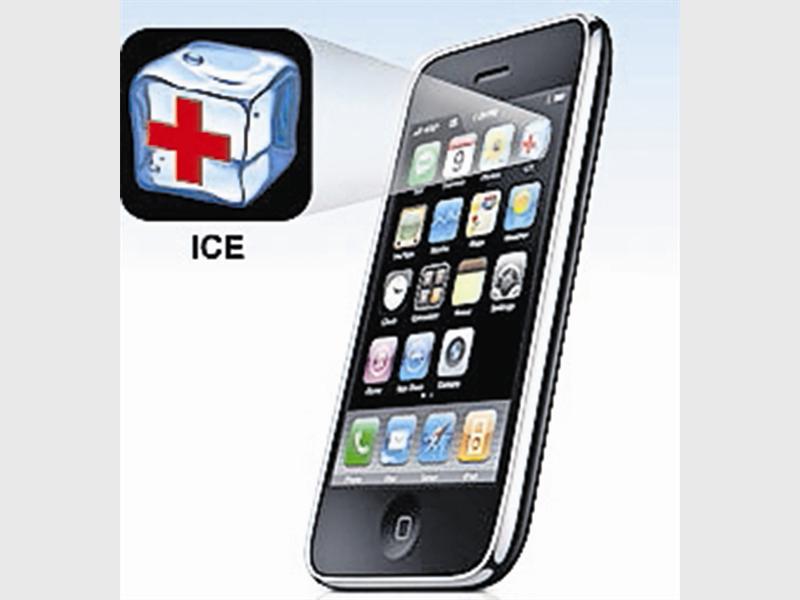
For emergency personnel or first responders to reach the right people in the shortest amount of time in case of an emergency is essential for everyone.
With this in mind and to make the task of finding your ICE (In Case of Emergency) contact on your phone easier, the ICE initiative was launched to help people understand the importance of having the necessary contact information easily accessible to make the task of emergency personnel gaining access to important people in your life easier.
There are a few things to consider when choosing an ICE contact:
• Think carefully who you want on your ICE-list. These people should know of any medical conditions as well as allergies you have.
• The people on your list should be informed that they are on your list so they are prepared when they are contacted in case of an emergency.
• Add the person’s relation to you in the information.
The easiest way to store ICE contacts is to use the acronym ICE, followed by the person’s name and their relation.
For example: ICE – Joseph – brother. South African Paramedic Services in Limpopo Operations manager, David Dennison, and Community Policing Forum (CPF) sector five’s Trevor van Niekerk shared some tips with BONUS.
“Your ICE contact doesn’t need to be family, it can be a friend or even the CPF in your area’s number.
“However, it is necessary to let your ICE contact know they are listed as your contact,” Van Niekerk explained.
“There are several ICE-apps available which store contact information and information a paramedic might need such as allergies and your blood group. Having one of these apps or an ICE contact on your phone can save your life in an emergency,” advised Dennison.