10 things you need to know about the Sharpeville Massacre
Human Rights Day in South Africa is historically linked with 21 March 1960, and the events of Sharpeville
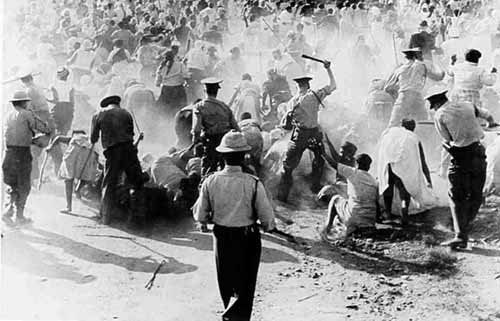
POLOKWANE – The Sharpeville massacre occurred on 21 March 1960, at the Sharpeville police station where 69 people were killed and 180 injured.
The Pan Africanist Congress (PAC) proposed an anti-Pass campaign to begin on 21 March 1960. Black men gathered at Sharpeville without passes and presented themselves for arrest.

An order was given to disperse, after which the Police opened fire on the crowd of men, women and children. Following the Sharpeville massacre, a number of black political movements were banned by the Nationalist government, but the resistance movement continued to operate underground.

Here are 10 facts you may not have known about the Sharpeville Massacre:
- A crowd of about 5 000 to 10 000 protesters gathered at the police station that day.
- The aim of the protest was to force the apartheid government to end pass-laws which required Africans to carry passes all the time.
- Sources disagree as to the behaviour of the crowd; some state that the crowd was peaceful, while others state that the crowd had been hurling stones at the police, and that the shooting started when the crowd started advancing toward the fence around the police station
- There were 289 casualties in total, including 29 children.
- Many people sustained back injuries from being shot as they fled.
- Police reports in 1960 claimed that young and inexperienced police officers panicked and opened fire spontaneously, setting off a chain reaction that lasted about forty seconds.
- The PAC and ANC had been vying for support from the people, and the PAC got wind of an ANC anti-pass march, scheduled for 31 March. The former decided to strike first and planned their march for 10 days earlier.
- The Truth and Reconciliation Commission, set up in 1995 to investigate atrocities committed on both sides during the apartheid years, found that police actions were the cause of the massacre.
- When South Africa held its first democratic election, with Nelson Mandela elected as its first democratic President, 21 March, Human Rights Day was officially proclaimed a public holiday.
- Former president Nelson Mandela signed the new Constitution in December 1996 in Sharpeville.
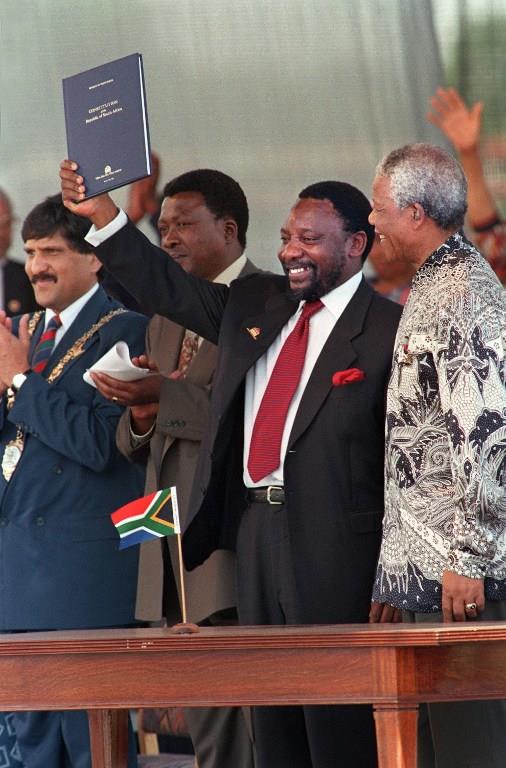
Photo: Africa Check
Government says on Human Rights Day, South Africans are asked to reflect on their rights, to protect their rights and the rights of all people from violation, irrespective of race, gender, religion, sexual orientation, whether they are foreign national or not – human rights apply to everyone, equally.
“We must remain vigilant and report abuse and cruelty, such as human trafficking, child labour, forced labour and violence against women, children, and the aged and other vulnerable groupings of people.”
Information sourced from Parliament and SAHistory.