
[VIDEOS] A year later: The accident that killed 27 people
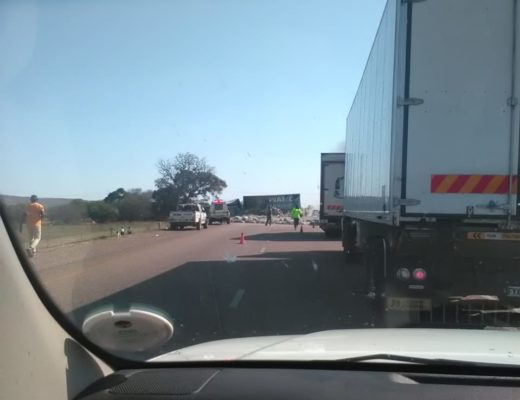
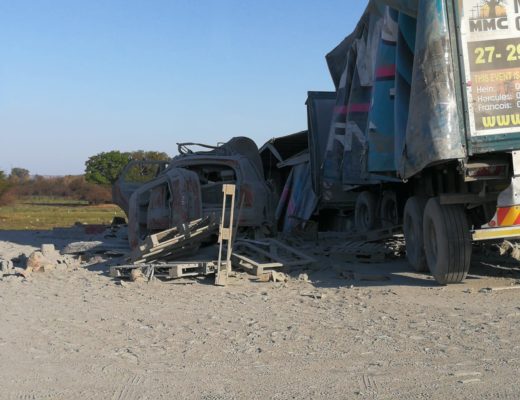
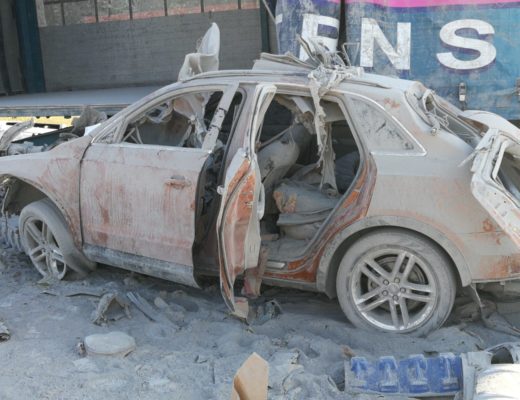
27 people, including two children, were killed in a multi-vehicle collision on the N1 between Kranskop and Middlefontein in the Mookgophong area on 19 October 2018.
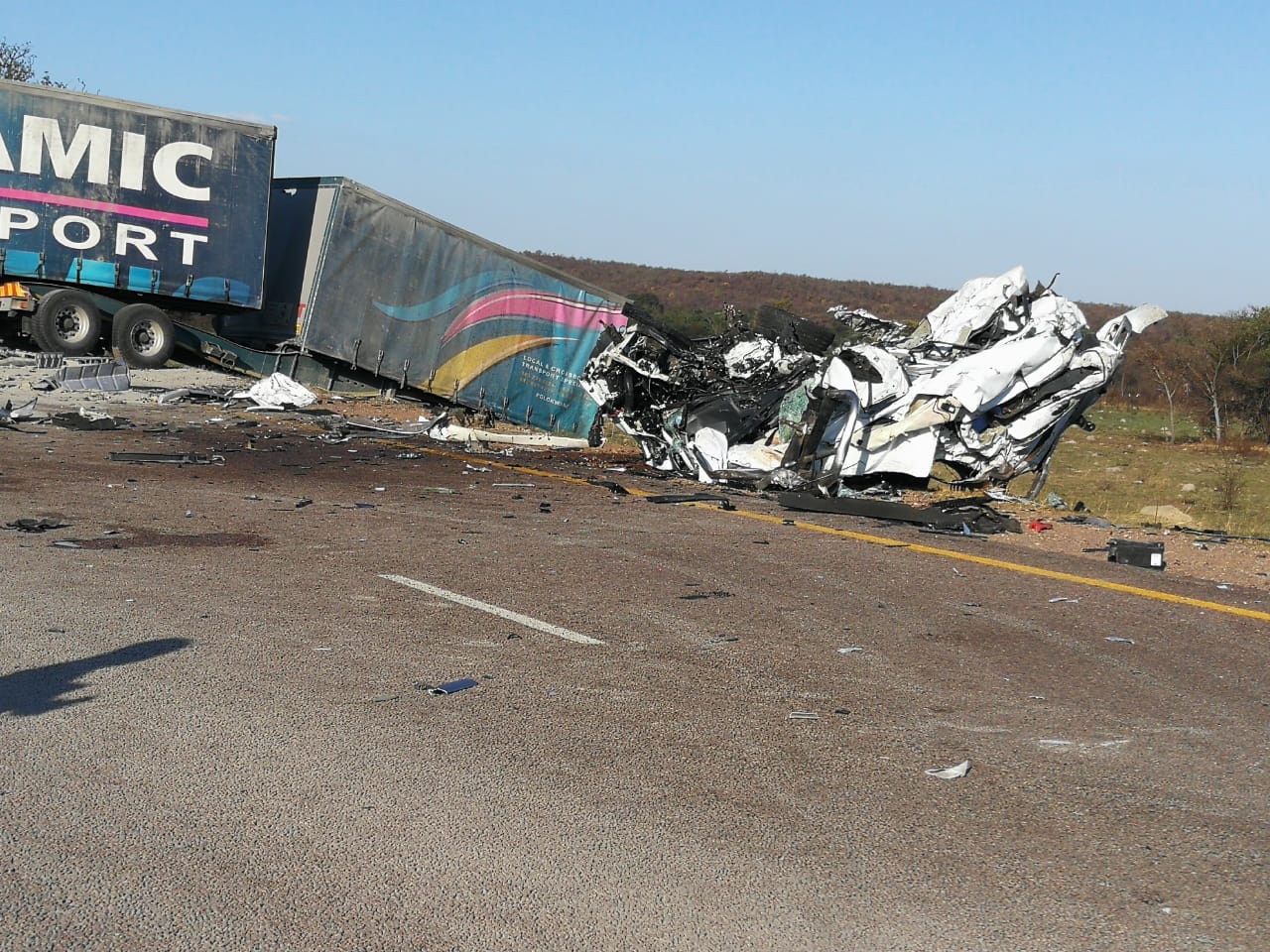
POLOKWANE – It has been 365 days since one of 2018’s biggest collisions rocked the N1.
Read more: [UPDATE] The N1 is now open following horror crash
27 people, including two children, were killed in a multi-vehicle collision on the N1 between Kranskop and Middlefontein in the Mookgophong area on 19 October 2018. The crash occurred when the front tyre of a freight truck burst, causing it to collide with a minibus taxi and several other vehicles. The truck was travelling northbound when the collision occurred.
The then MEC for Transport, Makoma Makhurupetje called on the national Department of Transport as well as SANRAL to assist on Limpopo’s roads following a spate of fatal accidents before, leading to the N1 between Kranskop and Polokwane being dubbed the “road of death”.
At the time, the Minister for Transport, Dr Blade Ndzimande directed the Road Traffic Management Corporation’s (RTMC) accident construction team to conduct a full investigation into the crash, including determining whether the truck was roadworthy at the time. The results of the investigation have not been released as yet.
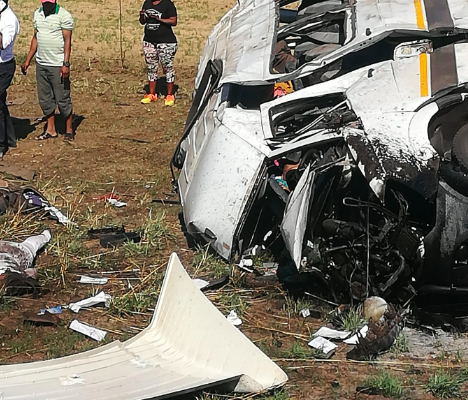
The collision caused major uproar on social media with many users saying the stretch between Kranskop and Polokwane is extremely dangerous as there is no barrier between northbound and southbound traffic, an opinion that still stands with thousands of motorists who use the highway frequently.
Ndzimande also directed SANRAL to conduct an engineering investigation for that stretch of road to determine if road engineering might not be a contributory factor to the many crashes that were and still are notorious. That investigation led to the erection of yellow poles on the solid yellow line on the N1 from Kranskop to the Modimolle Mountain as well as other areas on the N1.
In addition, Average Speed Prosecution cameras were also installed along the N1 stretch between Polokwane and Kranskop to try and curb speeding. The system uses average-speed-over-distance (ASOD) technology which calculates the average speed of a vehicle, measured from the time it passes a camera until it reaches a second camera at a fixed distance away.
The cameras are carefully calibrated, and technology can recognise the vehicle’s number plate. Time-stamped pictures are taken at both locations. Should the vehicle pass by the second camera in a shorter time than what it should, given the speed limit, it indicates that the driver was speeding.
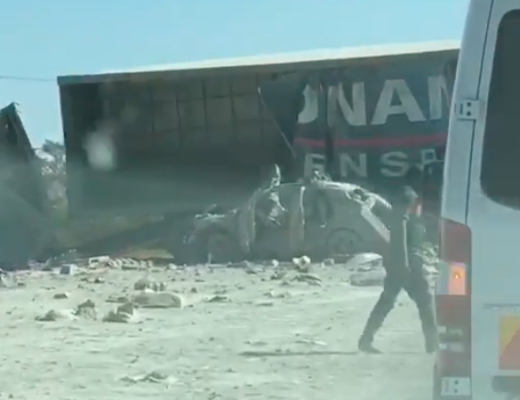
Following the accident, a National Prayer Day to cleanse the N1 was organised and a local resident, Sydney Mulweri, started a petition for barriers to be erected on the N1.
However, the stretch is still notorious for speeding and reckless driving and the call for barriers still remains. Following yet another accident on 7 October near Kranskop in which two people were killed, readers took to Review’s Facebook page to voice their frustration.
Johnson Mokwatlo said: “The road between the Kranskop mountain and the tollgate is a danger zone, so many head-on’s this year so far. We need concrete dividers between to at least avoid head-on collisions”
Rika le Roux wrote: “How many more people must die before SANRAL put the barriers in place ???? Goodness knows the tollgates at Nyl plaza and Kranskop is expensive enough to fund that”
Lee Ann McGinn Struiwig believes the poles aren’t working and that cement barriers need to be erected. “The poles they put up mean nothing. They need to put up. Cement barriers,” she worte.
Just a day later, on 8 October, a Toyota Fortuner rolled on the N1 South just 20km from Polokwane, with more calls and complaints about the highway.
Dominique Weideman commented: “Travel every week on the road and unfortunately people drive like maniacs and overtaking where ever they want. There is nothing wrong with the road, purely the people. Oh and if they came from behind and flash their lights for you to make way because they do 160km, that’s whats causing all accidents.”
Juan Spies, replying to another comment said there is nothing wrong with the N1. It’s the people driving on it with unroadworthy cars, non-existent patients and exceeding speed limits. that is what’s wrong (buddy).
Review has since made contact with the Spokesperson for the MEC of Transport, Joel Seabi, regarding whether or not the cameras and poles have caused a decline in crashes on the N1, but no comment was received at the time of publishing.