
[WATCH] Dr Van As talks on Coronavirus (COVID-19) and prevention
Currently, the possibility of contamination should be considered primarily in patients with fever and/or lower respiratory tract symptoms who have within the prior two weeks traveled to areas where community transmission has been reported.
POLOKWANE – After the news broke of the first confirmed case of coronavirus in South Africa, people have been in an almost panic state.
As of yet only one patient in KwaZulu-Natal, a 38-year-old man, who has tested positive to coronavirus (COVID-19). Coronavirus is reportedly spread from person-to-person through respiratory droplets and the fact that the arrival of COVID-19 in South Africa coincides with the flu (influenza) season, has many people in a panic.
Read more: Employers advised to ‘relax sick leave policy’, and 16 other Covid-19 workplace guidelines
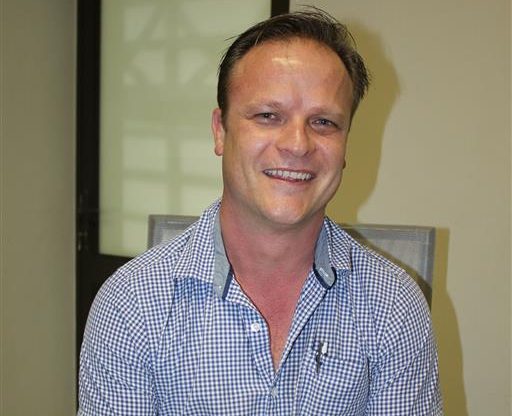
Review spoke to local doctor, Dr Flip van As, about the symptoms of coronavirus (COVID-19) and what people should do if they suspect they might have contracted the virus. In the video he also explains who is at risk of contracting the disease as well as when a mask is necessary.
According to the World Health Organization (WHO) only in severe cases can the infection cause pneumonia, severe acute respiratory syndrome, kidney failure and even death.
Covid-19 can spread through coughing or sneezing and touching an object or surface on which the virus is found, therefore cleanliness is important. Clinical virologist Dr Marcelle Myburgh explains that you should keep your hands clean throughout the day; after blowing your nose, after coughing or sneezing, before you work with food and especially after you go to the bathroom. Soap and hand sanitisers will kill the virus, she adds.
Currently, the possibility of contamination should be considered primarily in patients with fever and/or lower respiratory tract symptoms who have within the prior two weeks traveled to areas where community transmission has been reported. Early recognition is key and immediate isolation is important. When an infection is suspected and the patient has a fever (anything from 37.8⁰ C or greater using an oral thermometer), cough and have difficulty breathing, infection control measures should be implemented and public health officials notified. You can also contact the Coronavirus Hotline at 080 002 9999.
There is no cure for the virus and only the symptoms can be treated.