
Former “bantu constable” shares his story on Freedom Day
When Ben Siwela decided that he wanted to become a policeman, he knew that his life would never be the same again.
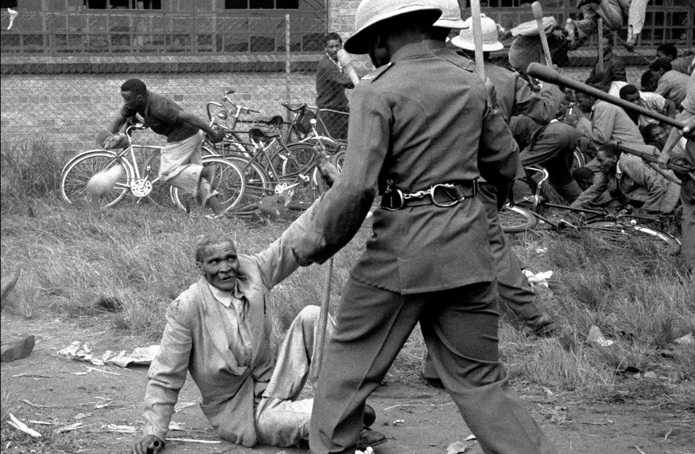
POLOKWANE – Siwela, who was dual stationed between Limpopo and Gauteng, shared that although they (policemen) were respected within the community, there were divisions within the police force. He says that at the time they were referred to as “bantu constables”, a term he personally considered to be derogatory and it was used to remind you of your race regardless of how good you were at your job.
You might also want to read: Lim remembers struggle heroes
“The difference in treatment between us and the white police officers was immense. We had our own area of the police station, we earned far less than white people and we had no voice or authority within the police force. What we were good for was putting our lives on the line to only be recognized as subhumans.” he explained.
During apartheid, police increased the use of part-time, specialised personnel called ‘kitskonstabels’ or ‘bantu constables’ to help quell the growing violence in the 1980s. In 1987, police recruited almost 9 000 kitskonstabels and gave them an intensive six-week training course. Most of these constables were Blacks and Coloreds. These “instant” police assistants were armed with non-lethal weapons and assigned to areas of unrest, which were often the most turbulent townships. Even with training courses extended to three months, their often brutal and inept performance contributed to the growing hostility between the police and the public by the late 1980s.
He further explained that regardless of the different treatment that they received from their employers, nobody had the courage to stand up and point out the injustices, saying they just got on with life pretending that they did not notice it.
Speaking about why he never, in the 19 years that he worked as an officer, considered leaving the job, Siwela told Review, “I had the responsibility to keep my community safe. I had young children growing up in townships that were dangerous. I felt a sense of responsibility to protect them, if not from the apartheid government then at least from the dangers that lurked in the townships.”
He shares that police work was mentally, emotionally and physically taxing. He summarizes his years of working as an officer of the law as challenging, but a growing experience. “I would never exchange my experience for anything in the world because it groomed me into the man I am today.
There are many things that I saw in my years that I cannot un-see and I would not want anybody else to go through the trauma, but the biggest sacrifice I had to make was being apart from my wife and children. In the end, I think they suffered the most.” he concluded.
You might also want to read: What racism means to the older generation