
Husband found guilty of orchestrating Magna Via double murder
Throughout the trial, Stanley Leshabane maintained his innocence, denying any knowledge of his co-accused or the alleged contract to kill his wife and her friend.
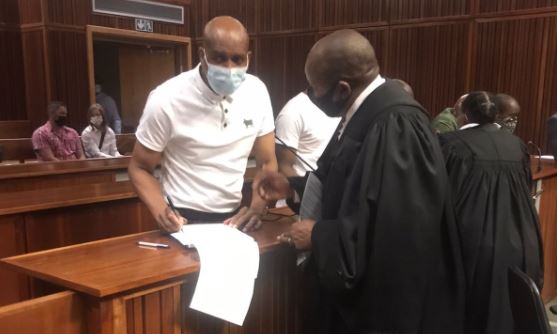
POLOKWANE – Despite his vehement denial of involvement, Stanley Leshabane was convicted in the Polokwane High Court on Friday for the 2020 double murder of his wife, businesswoman Makwena Mabusela-Leshabane, and her business partner, Tebogo Mphuti.
The court found Leshabane guilty of orchestrating the murders, which took place in October 2020 after the two women had viewed business premises in Polokwane.
Leshabane’s sentencing is scheduled for August 14.
Throughout the trial, Leshabane maintained his innocence, denying any knowledge of his co-accused or the alleged contract to kill his wife and her friend. When the state concluded its case on June 4, National Prosecuting Authority spokesperson Mashudu Malabi-Dzhangi said that Leshabane rejected claims that he organised the hit or had any memory of events leading to his arrest in 2020.
Leshabane testified that he only recalled asking for water to take sleeping tablets when he was detained.
The case was further complicated by the death of one of the alleged hitmen, Richard Zulu, who passed away in police custody due to illness.
Leshabane dismissed the contents of a statement he allegedly signed, claiming it was inaccurate.
According to the statement, Leshabane confided in a friend about his desire to have his wife killed, and the friend introduced him to contacts who could arrange the hit.
The statement further alleged that Leshabane provided the hitmen with his wife’s photo, car registration number, and her location in Polokwane, paying them R5 000 upfront and promising an additional R60 000 upon completion of the murder.
Leshabane, however, told the court he did not recall making such a statement, citing his fragile state of mind at the time of his arrest.
He claimed that he had only sought contacts from his friend to hire people for a security job related to a business project.
The trial faced multiple postponements, including a delay for psychiatric evaluation of the primary accused, who was ultimately deemed fit to stand trial.