
Mankweng innovator designs smart toilet to recycle water and produce fertiliser
Mankweng’s Matome Bopape introduces smart toilet innovation linking sanitation, health monitoring, water recycling and agriculture.
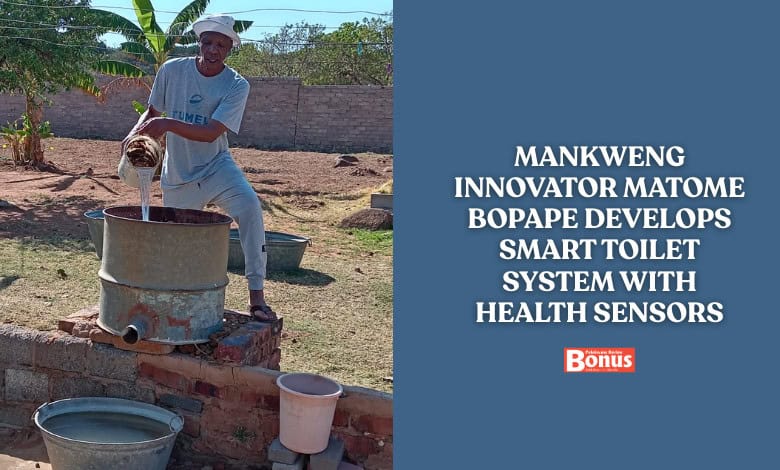
POLOKWANE – Innovator Matome Bopape from Mankweng has developed a smart toilet system designed to improve hygiene, automate maintenance and provide early health warnings through advanced sensors.
“This toilet will help improve public hygiene standards and provide users with early warnings of potential health risks based on their health metrics,” Bopape explained.
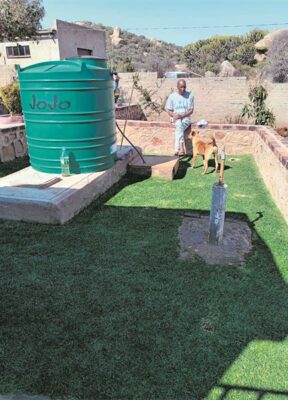
Beyond sanitation, the system also addresses food security and water conservation. It uses smart technologies such as IoT sensors and integrated water management to harvest rainwater, recycle greywater and treated blackwater, and divert urine for fertiliser.
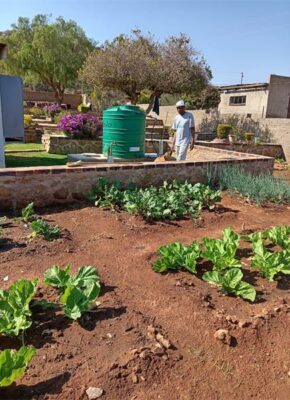
“The goal is to decouple water consumption from development, support sustainable agriculture, and build a circular water economy,” he said.
Bopape’s journey reflects decades of dedication to education and community development. He began at Kgokong Primary, later matriculated at Hwiti High School (1976), and trained at Setotolwane Teachers Training College in 1978. He went on to lecture at various institutions, including Chika Secondary and Maake Technical College, while furthering his studies at the University of Limpopo (UL).
In 1992, he introduced the technical education stream at Hwiti Comprehensive Secondary School before becoming the first black rector of Capricorn FET College (Seshego campus) in 1997.
He later earned his master’s degree in development studies from UL’s Turfloop Graduate School of Leadership, followed by an Executive Management Programme (NQF 8).
After serving in the Department of Education and later at the Kutama Sinthumule Correctional Centre, Bopape co-founded Abakholwe Community Developers Pty Ltd, offering accredited training programmes through Ceta and DHET.
Since resigning in 2016, he has focused on community development initiatives – his smart toilet system standing out as an innovation that could transform both public health and sustainable agriculture.