Project Owethu brings healthcare services to Limpopo village
Project Owethu, led by the South African Military Health Service, has launched in Ga-Matlou village to provide healthcare, dental, eye and social services to rural residents.
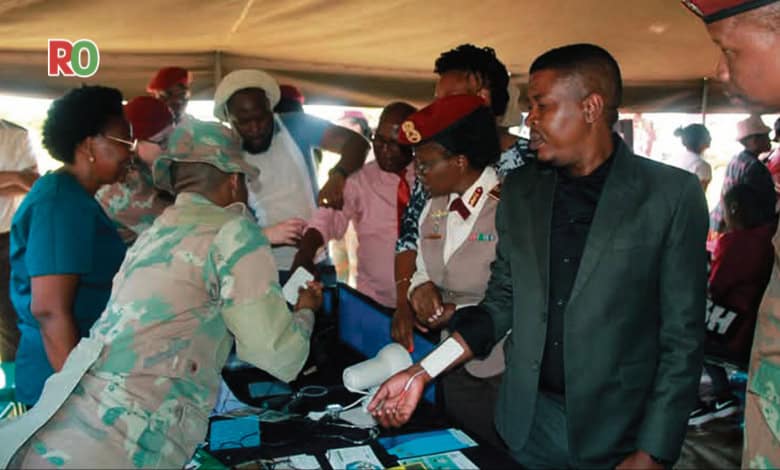
MOKOPANE – Project Owethu, an outreach programme led by the South African Military Health Service (SAMHS) under the Department of Defence, was launched at Ga-Matlou village on February 2, bringing much-needed healthcare and social services to the community.
The annual initiative focuses on taking integrated services to rural and under-resourced areas. Its goals include reducing surgical backlogs, providing dental and eye care, and raising awareness around Gender-Based Violence and Femicide (GBVF).
Mogalakwena Mayor Ngoako Taueatsoala, said the programme is designed to meet real community needs.
“Project Owethu provides primary healthcare, dental services including dentures, optometry, mental health support and social services. It also helps reduce cataract surgery backlogs at public hospitals,” he explained.
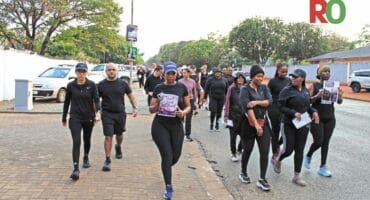
Beyond healthcare, the initiative includes fun walks and technology-based suicide prevention programmes in schools. According to Taueatsoala, it also plays an important role in improving community well-being, strengthening relations between civilians and the military, and supporting local upliftment.
Throughout the outreach week, residents have access to medical screenings, nutritional assessments, oral health education, minor treatments and dental procedures such as pain management and infection control.
Several government departments are also on site, including Home Affairs, the police, Sassa, the municipality, and the departments of Health, Education, and Public Works and Infrastructure. These services range from assistance with identity documents to social support.
Taueatsoala welcomed the initiative, saying it makes a real difference in communities that often struggle to access basic services.
“We appreciate the programme and its impact. Our communities will benefit greatly from this intervention,” he said.
He called on residents, traditional councils and all stakeholders to support the programme and work together to ensure its success.