
Rural Limpopo women urged to profit from Marula beer
Rural women in Limpopo are being encouraged to profit from marula beer brewing while preserving cultural traditions.
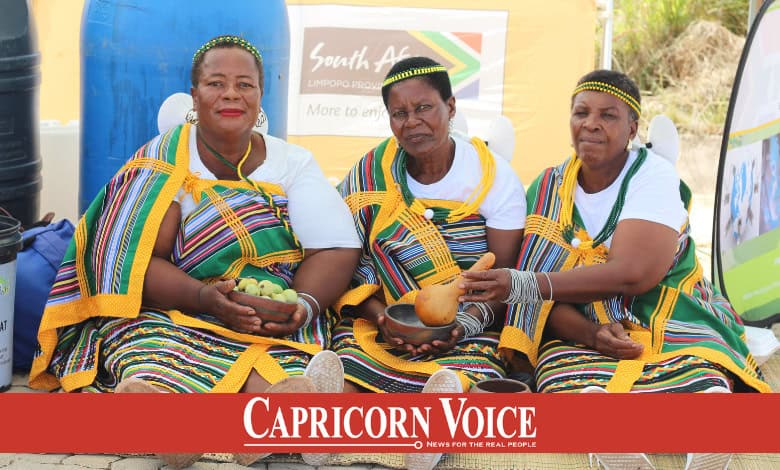
LIMPOPO – The MEC for Culture, Jerry Maseko, has encouraged rural unemployed women to empower themselves economically by brewing marula beer and selling it to the public.
Maseko was speaking during the Kulama Vukanyi (Mukumbi) event held at the Schoemansdal Museum on March 6.
“We want our rural unemployed women to take advantage of the marula season. By drinking mukumbi, or marula beer, we are celebrating our cultural values,” he said.
The marula season usually runs between January and March each year.
During this period, communities gather to brew and drink marula beer, a practice that promotes social cohesion as people celebrate together in a communal and festive spirit.
The economic value of the marula fruit has been widely researched, and the marula industry is thriving across the country.
It has become an important source of job creation and income generation, particularly for rural women who collect the fruit and brew the traditional beer.
Members of the Tshidimbini Mukumbi Cooperative generated more than R10 000 by selling marula beer to the department during the event.
The beer was then enjoyed free of charge by the community and traditional leaders.
“When people celebrate and drink marula beer, they unite and come together as one nation. We must also learn to conserve the marula tree,” Maseko added.
He encouraged communities to plant more marula trees and protect them to ensure sustainability.
“Marula Day must be respected every year. Marula beer also helps cleanse our bodies so that we can stay healthy,” he said.
Traditional leader Vele Kutama explained that marula beer goes through several stages during the brewing process.
These include nashane, which is sweet and about 5% fermented; lutanda, which is commonly consumed by young and adult individuals; and tshamunandi, which is usually preferred by elderly and married individuals because of its richer ingredients.
Kutama said seeing people along the roads in the Vhembe District Municipality carrying bottles of marula beer demonstrated how rural communities could quickly generate income from selling the beverage.
“I urge our economic development and planning sector to explore the possibility of establishing a fully operational marula factory in our area while we continue hosting an annual festival that can bring long-term economic benefits to our communities,” he said.
He also raised concerns about the cutting down of protected indigenous trees, particularly the marula tree.
“Of all the protected trees that have been cut down, the mufula (marula tree) is my greatest concern because it means a lot to our people.
“The mukumbi season is upon us, and my people will suffer because we now have very few marula trees left,” he said.
According to the National Forest Act 1998 (Act 84 of 1998), indigenous trees and other rapidly depleting species, including the marula tree, are protected and should not be destroyed.