
What happened after undocumented workers left Polokwane?
Scores of undocumented workers left Polokwane after the June 30 deadline. Here's how different sectors have been affected.
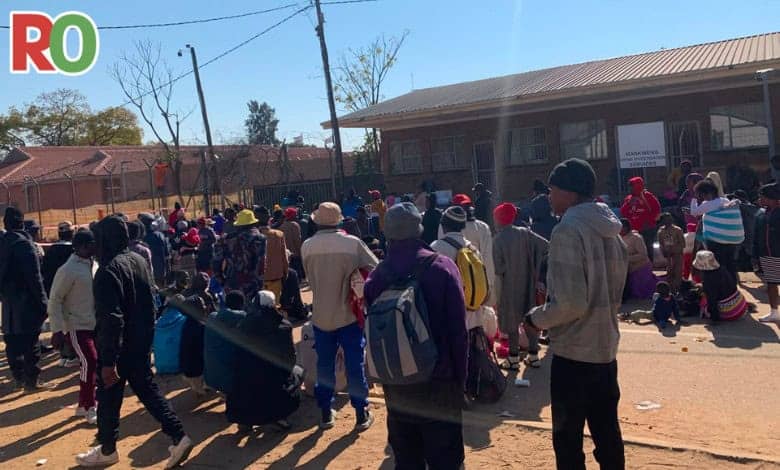
POLOKWANE – As undocumented workers leave Limpopo, employers face mixed results in finding local staff.
Following President Cyril Ramaphosa’s announcement that strict enforcement and potential jail time for business owners who hire undocumented workers will be enforced, thousands of undocumented workers from mainly Zimbabwe and Malawi have left the country.
According to statistics availed by the Department of Home Affairs, the temporary processing facility in Musina processed approximately 68 000 undocumented foreign nationals for repatriation.
The departure was driven by fear of widespread anti-immigrant protests and civic group deadlines. A little more than a month after the June 30 deadline, Polokwane businesses report that South African workers are available to fill vacancies.
ALSO READ: Thohoyandou march demands end to illegal immigration
However, positions requiring specialised skills or experience – often filled by foreign nationals who were trained by local businesses – are proving more difficult to staff.
General labourers and domestic workers are available, with some applicants being overqualified for available positions. Casual workers are also in abundance, though concerns about wage compliance in some sectors have been raised.
The absence of undocumented entrepreneurs has also been noticeable. Informal recyclers and small informal businesses have ceased operations in some areas.
Impact on public health facilities
A regular visitor to Pietersburg Provincial Hospital said the exodus of undocumented immigrants is noticeable.
“The queues are shorter and waiting times have decreased. The absence of a sector of our regular visitors definitely affected overcrowding of facilities at the hospital and the clinics,” an elderly lady said.
ALSO READ: Seshego anti-immigration movement closes 23 foreign-owned shops
Commercial farmers report minimal impact
Commercial farmers consulted indicated that the current situation has not affected them.
“We do not, and never employed undocumented immigrants. There are enough legally documented workers available, and we are subject to regular inspections by the authorities, also for compliance with the law regarding minimum wages,” a mega farmer said.
Farmers said they source seasonal workers from their local communities and rarely employ workers from outside their community.
ALSO READ: Thousands flee South Africa as June 30 deadline hits
The farmers also say they prefer to employ local South African citizens, although it became apparent that some do not comply with legislation regarding minimum wages.
Hospitality sector faces staffing challenges
Some businesses in the hospitality sector have reported challenges in finding staff with the right level of commitment and reliability.
While there are enough South African applicants for positions, some employers have noted that finding competent staff remains a challenge.
“Positions that require a higher level of autonomy and accountability are our major setbacks,” one employer said. “We often find capable staff, but their commitment to delivering high-quality customer service tends to be a recurring struggle.”
“In industries that render services, this can be a crippling problem to have.”
ALSO READ: March and March leaders arrive in Polokwane for planned march to Premier’s Office
They did, however, note that they have not needed to offer higher wages to attract staff.
A missed opportunity
While the departure of foreign workers has created some gaps in the labour market, some argue the focus should be on unlocking local talent, suggesting that the real challenge is access to the right opportunities.
They say the problem is not that South Africans cannot do the work, but that the systems to connect them with meaningful employment are not functioning effectively.
The solution may not be as simple as replacing one group of workers with another, and may require a more fundamental rethink of how the province invests in skills development, connects job seekers with employers, and builds an economy that can absorb suitable employees.
ALSO READ: Nearly 1 in 3 Limpopo residents unemployed as rate hits 32%