
LNW reports progress in water supply
Lepelle Northern Water says it is making steady progress on water supply in Limpopo despite challenges including ageing infrastructure and municipal debt.
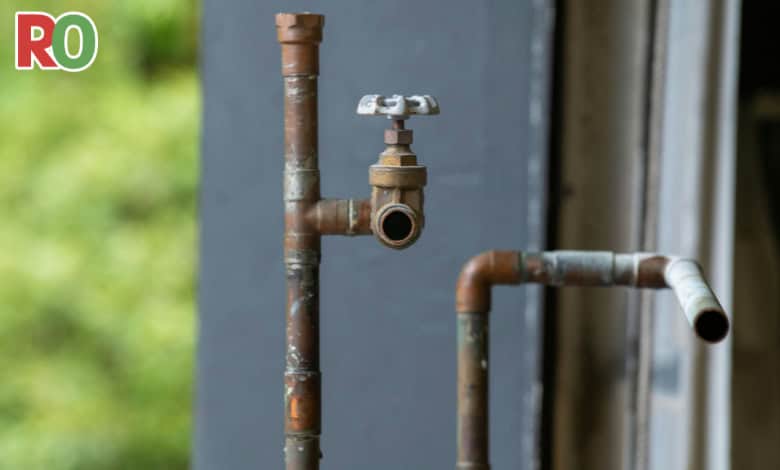
POLOKWANE – Lepelle Northern Water (LNW) says it is making steady progress in improving water supply across Limpopo, despite ongoing challenges such as ageing infrastructure, vandalism and growing municipal debt.
Speaking at a media briefing at Fusion Boutique Hotel on April 16, CEO Dr Cornelius Ruiters said the entity has improved its operations over the past financial year.
“Within the 2024/25 financial year, we have improved how we produce and how we perform as Lepelle Northern Water,” he said.
Ruiters identified ageing infrastructure as one of the main concerns affecting consistent water delivery.
“The issues we need to look after are ageing infrastructure and making sure there is consistency in the quality of water people consume,” he said.
He explained that LNW’s role extends beyond water supply, as it sources raw water from dams and rivers, treats it to required standards, and distributes it through a network of pipelines and pump stations.
Vandalism and theft remain major challenges, he acknowledged. “We will be working with the security cluster in South Africa to better protect our infrastructure and make sure communities continue receiving water,” Ruiters said.
Despite these obstacles, LNW has managed to keep water losses slightly below its 5% target, recording 4.97% for the year.
Prolonged supply interruptions of more than 24 hours were limited and mainly linked to planned shutdowns for critical repairs, he said.
Efforts to upgrade infrastructure are also underway, particularly in Polokwane, where new pumps, pipelines and related facilities have been installed to stabilise supply and replace ageing systems.
Financially, the entity remains stable, reporting revenue of R1.67b and achieving a clean audit outcome.
Unpaid municipal accounts, he said, continue to pose a challenge.
“Our debtors’ book has grown, but we have improved collections through stricter measures and payment arrangements,” Ruiters said.
He added that the focus going forward will be on strengthening partnerships, improving revenue collection and ensuring reliable water supply to communities.