
New regulations could cripple tourism at Ebenezer Dam
Proposed regulations for SA's dams, including Ebenezer Dam, could ban night boating, restrict fishing, and require permits for gatherings.
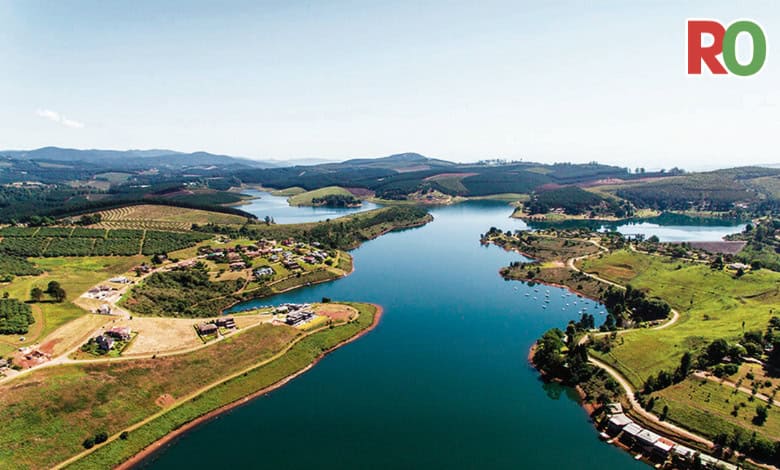
POLOKWANE – Growing concern is being raised over proposed regulations that would place South Africa’s dams and water systems, including the Ebenezer Dam, under significantly increased government control.
The draft regulations were published in the Government Gazette No. 53963 in January, with public submissions invited until April 13.
If adopted in their current form, these could affect a wide range of stakeholders, including private landowners along water systems, anglers, boaters, boat builders, marine service providers, tourism operators, cruise businesses, event organisers and retailers linked to water-based activities.
Among the proposed restrictions are the prohibition of fishing or launching vessels from private property, a ban on night-time boating, and a requirement for government approval to moor boats.
Overnight stays on houseboats would be disallowed, while any gathering of 50 or more people could require prior state authorisation.
Landowners warn of ‘creeping nationalisation’
Landowners argue that the regulations could have far-reaching economic consequences, including reduced tourism activity, job losses, declining investment in water-based industries and potential damage to existing infrastructure.
There are also concerns that long-established tourism facilities could be declared non-compliant, forcing costly formalisation or removal.
Property values, boat ownership and small to medium-sized businesses may also be negatively affected.
Some stakeholders believe the proposals signal a shift from open access to regulated use, with concerns raised about increased state control over water resources.
One affected landowner said the measures resemble “expropriation without compensation”, warning that long-term investments in dam-adjacent property could lose significant value.
Another landowner acknowledged the need for regulation in shared-use environments, but cautioned that some provisions may go too far, potentially outweighing both private and public interest.
Public participation essential, says attorney
Carla Oosthuizen of Oosthuizen and Steyn Attorneys, who is also a landowner at Ebenezer Dam, has prepared a concept objection on behalf of the Haenertsburg Trout Association.
She explained that the regulations are subordinate legislation under the National Water Act and cannot override its provisions.
“What the Water Act did was effectively place control of water in the hands of the state – but these new regulations go much further,” she said, adding that they could amount in practice to “creeping nationalisation” of water resources and surrounding floodline areas.
She noted that the current law still allows certain basic water uses, such as household consumption, livestock watering and limited recreational activities, without a licence, and said these rights cannot simply be removed through regulations.
She warned of broader implications when considered alongside expropriation legislation that allows the state to acquire property in the public interest.
“When combined, these measures raise serious questions about the future of privately owned land,” she said.
She stressed the importance of public participation, urging communities and landowners to engage.
“If people do not speak out, these changes will be implemented without meaningful resistance. Public participation is not optional, it is essential,” she said.