
SA virologist urges calm as Hantavirus cases emerge
Limpopo virologist, Dr Vongani Muthambi, says Hantavirus is not common in South African rodents, and human-to-human transmission remains extremely rare.
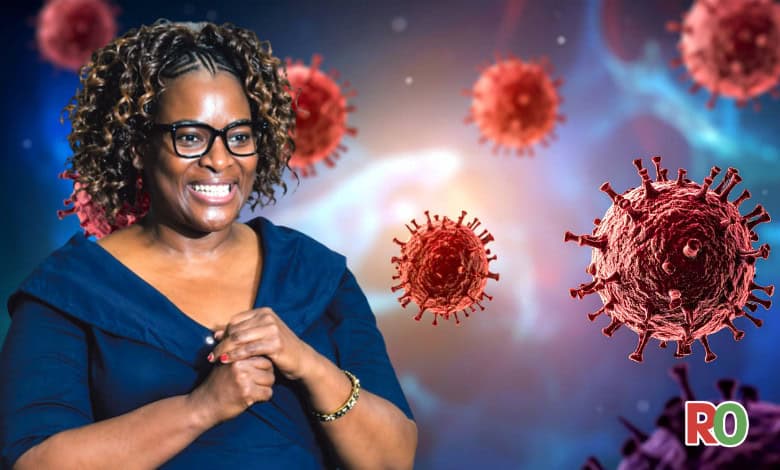
POLOKWANE – Following recent Hantavirus cases in South Africa, a clinical virologist is reassuring the public that local rodents are unlikely to carry the virus.
Dr Vongani Marion Muthambi told Polokwane Observer that Hantavirus is naturally carried by rodents in specific geographic regions – including Europe, Asia, North America and South America – but is not considered common in South Africa.
Human-to-human transmission rare
Muthambi emphasised that only one strain of the virus has been documented for human-to-human transmission, and that strain is found in South America, particularly Argentina and Chile.
“Human-to-human transmission is documented, but it is rare and requires very close contact,” she said. “Our rodents are unlikely to be infected.”
She added that transmission between people requires prolonged and close contact with an infected individual and is not comparable to highly contagious respiratory viruses.
SA not a major endemic area
According to Muthambi, South Africa is not regarded as a major endemic area for Hantavirus outbreaks. Recent international cases have mainly been linked to travel exposure rather than widespread community transmission.
She compared the virus to malaria, which is largely confined to certain parts of the world.
Symptoms and prevention
Symptoms include fever, headaches, muscle pain, and fatigue, which can progress to breathing difficulties in severe cases.
There is currently no specific vaccine available to prevent Hantavirus infection.
Prevention measures include:
- Avoiding close contact with infected individuals.
- Practising respiratory hygiene.
- Regular hand washing.
- Cleaning and disinfecting surfaces.
- Ensuring good ventilation.
‘Stay informed, not alarmed’
Muthambi urged residents to remain calm while continuing to follow good hygiene and rodent-control measures.
“Stay informed, not alarmed,” she said.