
Mental health month: It’s okay not to be okay
A Polokwane resident and a clinical psychologist speak out for Mental Health Awareness Month, they say asking for help is a strength.
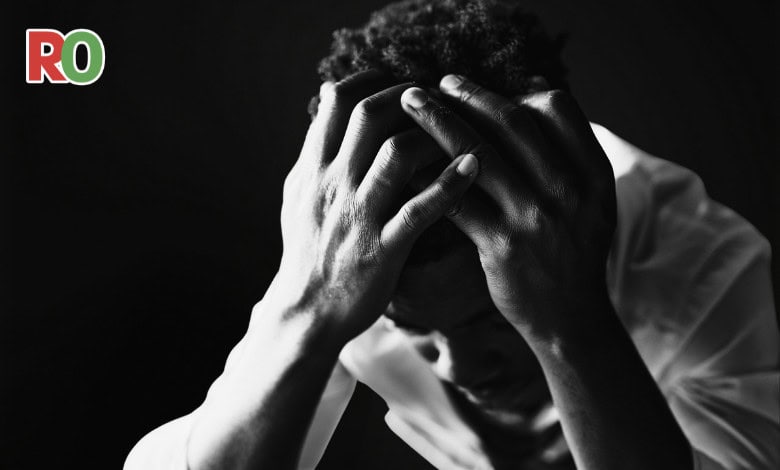
POLOKWANE – May is recognised globally as Mental Health Awareness Month, a time dedicated to encouraging open conversations about mental health and raising awareness about the daily struggles many people face.
Smiling on the outside, exhausted within
Mental health affects how people think, feel and cope with life, and like physical health, it requires care and attention. Yet many continue to suffer in silence for fear of judgment or misunderstanding.
A local resident told Review Online that people often fail to realise that someone who appears fine on the outside may still be struggling internally.
“Someone can be functioning, smiling, joking and going to work every day, yet still be mentally exhausted,” he said.
He added that men are particularly affected because society often expects them to remain strong and hide their emotions instead of speaking openly or seeking help.
“Many bottle things up until it becomes overwhelming, which is one reason male suicide rates remain so high,” he said.
Clinical psychologist shares warning signs
Rose-Lee Wheeler, a registered clinical psychologist originally from Polokwane and a doctoral student at the University of Pretoria, said it is important for people, especially men, to speak up and ask for help before situations worsen.
Wheeler works at Weskoppies Psychiatric Hospital in Pretoria West and is also director of Wheeler Consulting in Centurion.
She said communities should be kinder and more understanding towards those struggling with mental health challenges.
According to Wheeler, some warning signs to look out for include:
- Withdrawal
- Poor motivation
- Irritability and anger
- Substance abuse
Breaking the stigma
The anonymous resident said society needs to stop treating vulnerability in men as weakness.
“As men, we should be allowed to speak openly about pain, stress, depression and failure without being mocked or dismissed,” he said. “We need safe spaces for honest conversations and encouragement to seek therapy or support.”
He added that people who isolate themselves are often the ones struggling the most and should be encouraged to speak out rather than leaving others to “play the guessing game”.
Where to find help
Wheeler encouraged residents to support one another and seek help through clinics, psychologists, community leaders or local pastors.
As Mental Health Awareness Month continues, the message remains clear: it is okay to not be okay, and asking for help is a sign of strength, not weakness.