Born here, but not South African: Children born to undocumented parents
Children born in SA to undocumented parents get birth certificates but not citizenship. Home Affairs explains what rights they have.
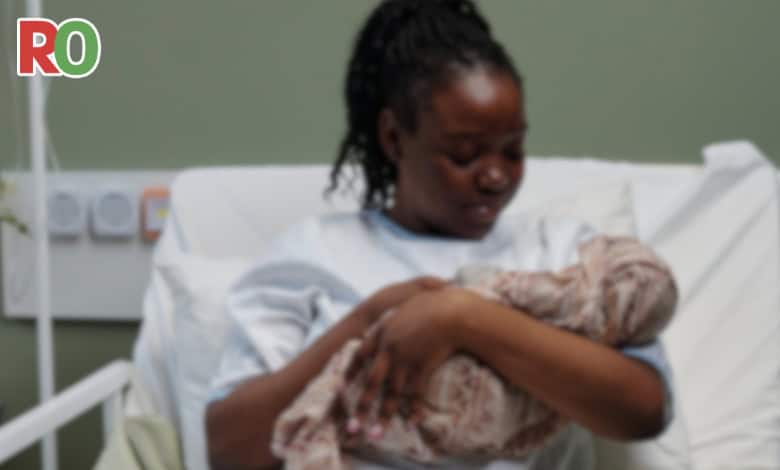
LIMPOPO – For most people, where they belong is a question with an obvious answer. It is the place where they grew up, went to school, built friendships and created memories.
However, for some young people born in South Africa to undocumented foreign parents, that answer can be more complicated.
Although their language, culture, and upbringing may be connected to South Africa, their legal status is often tied to the country of their parents’ origin.
As debates around immigration continue, questions remain about what documentation these children receive at birth, whether they have a pathway to citizenship and what safeguards exist to prevent them from becoming stateless.
Responding to Review Online, the Department of Home Affairs outlined the legal position of children born in South Africa to undocumented foreign parents, explaining what rights and protections are currently available to them.
No automatic path to citizenship
Children born in South Africa to undocumented foreign parents receive a birth certificate confirming their birth, but this does not automatically grant them South African citizenship or legal residency, according to the Department of Home Affairs.
The clarification comes amid ongoing concerns about the legal status and future prospects of children born in the country to parents who are undocumented migrants.
Home Affairs explained that these children are issued with a DHA-19 birth certificate, commonly known as a handwritten birth certificate, when their births are registered.
The document serves as official proof that the child was born in South Africa, but it is not considered proof of citizenship and does not confer any immigration status.
“The legal function is therefore to record the fact of birth and enable the parents’ country of origin to provide civil registration,” said Home Affairs Chief Director of Communications, Ndileka Cola.
According to the department, the certificate can be used by parents when approaching their country’s embassy or consulate to register the child and obtain travel or identity documents.
Home Affairs said it does not currently have a formal programme to identify children born to undocumented foreign parents who may qualify for South African citizenship later in life.
Under Section 4(3) of the South African Citizenship Act, a person may apply for South African citizenship after turning 18 if they:
- Were born in South Africa
- Their birth was properly registered
- They have lived in the country from birth until reaching adulthood
However, the department said applications are generally only considered once they are submitted by eligible individuals.
“Unless another legal basis exists, the Department does not ordinarily regularise such children’s status before adulthood solely because they were born in South Africa,” Cola said.
The department added that a child’s immigration status generally follows that of their parents, although applications may be considered under the Immigration Act where another lawful basis for residence exists.
Concerns about statelessness
One of the concerns raised is the possibility of children being left stateless if they are unable to obtain citizenship from another country.
Home Affairs said South Africa seeks to reduce this risk through compulsory birth registration and the issuance of birth certificates.
However, the department does not automatically assess a child’s nationality independently of their parents. Instead, determining whether a child qualifies for citizenship elsewhere is generally the responsibility of the foreign country involved and is governed by that country’s laws.
Where there is evidence that a child may otherwise be stateless, Cola said cases may be considered individually in line with legislation and constitutional principles.
The department also stressed that parents remain legally responsible for ensuring their children’s births are registered.
No official statistics available
Home Affairs said it does not keep statistics on the number of children born in South Africa to undocumented foreign parents.
Because these children are not entered into South Africa’s Population Register, the department does not maintain records reflecting their total numbers.
While their births may be registered and birth certificates issued, the children are not recorded on the Population Register and therefore do not appear in the department’s citizenship or identity databases.
As a result, the scale of the issue remains unclear.
The department said the primary purpose of the birth certificate is to assist foreign authorities in recognising the child as one of their nationals and issuing the necessary identity and travel documents.
What child welfare says about local experience
While there are concerns about the risk of children born to undocumented foreign parents falling through administrative gaps, a social worker at Polokwane Child Welfare said this has not been their experience locally.
According to the social worker, no cases are known to the organisation where children have been abandoned or left behind because of their documentation status. Instead, families have generally returned to their countries of origin with their children, where the births can be registered and the necessary identity documents obtained.
“As far as I am aware, the children have gone back with their parents to their country of origin and will be registered there,” the social worker said.
Even so, for some, South Africa is the only home they have ever known. For them, the question is not simply where they are entitled to live, but where they feel they belong.