
Green ID books face phase-out as Home Affairs pushes Smart IDs
Home Affairs has warned that the green bar-coded ID book could be phased out within two years. Here's what you need to know about switching.
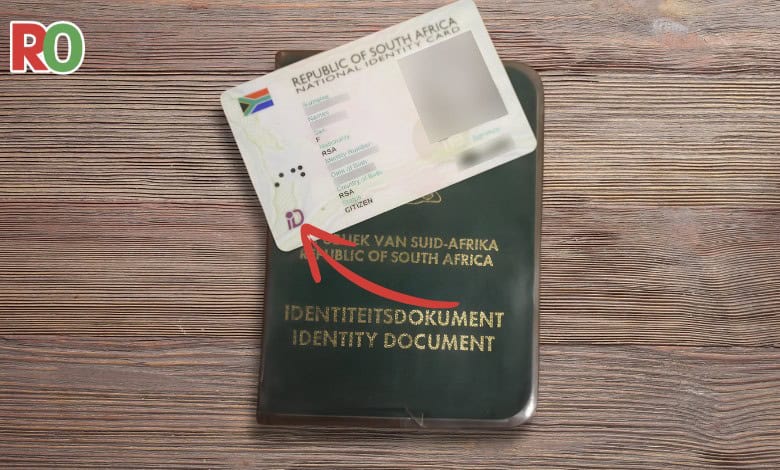
LIMPOPO – The old green bar-coded ID book could be phased out within the next two years as government accelerates the move to Smart ID cards.
Home Affairs deputy director-general for operations Thulani Mavuso said the department had already begun the process of moving away from the green ID book, although a final date for when it will no longer be accepted has not yet been announced.
The precise timeline will be communicated by Home Affairs Minister Leon Schreiber.
The department has been encouraging South Africans to make the switch before the final deadline rather than waiting until the old documents are no longer accepted.
The move is aimed partly at improving the security of South Africa’s identity system. The green book has been identified by Home Affairs as vulnerable to manipulation and identity fraud, while Smart ID cards use newer security features.
What happens if you still have a green ID book?
For now, the Department of Home Affairs’ official guidance continues to recognise both identity books and Smart ID cards as identity documents.
However, an identity document is required for a wide range of everyday activities, including applying for a job or driver’s licence, accessing housing, education and healthcare, entering into certain business agreements and registering for the Unemployment Insurance Fund.
It is also required when applying for a passport or visa and when registering to vote.
Home Affairs issues identity documents to South African citizens and permanent residence permit holders from the age of 16.
How much does a Smart ID cost?
For someone replacing a green bar-coded ID book with a Smart ID card, Home Affairs lists the re-issue fee as R140.
People aged 60 and older who are converting from a green ID book to a Smart ID card do not have to pay the re-issue fee.
A copy of the existing green ID book is required when applying for a replacement. If the book has been lost, an affidavit is required.
First-time applicants do not pay for their Smart ID application, subject to the department’s requirements.
Where can you apply?
Smart ID applications can be made at modernised Home Affairs offices, including selected offices in malls, mobile offices and participating bank branches.
Applicants must choose their preferred collection office when submitting the application. Smart ID cards can then be collected from the selected modernised office.
The department has introduced an upgraded booking system through the MyHomeAffairsOnline platform. The new system includes additional security measures aimed at preventing the abuse of appointment slots and improving access for legitimate users.
Applicants can also apply online on the eHomeAffairs site to submit ID and Passport applications, make payments for applications, and make bookings where allowed.
The green ID book, in contrast, can only be collected from the Home Affairs office where the application was made.
For now, there is no announced final date for the green ID book to become invalid, but with the department targeting a transition away from the old documents within the next two years, people who still have one are being encouraged to begin the process of switching to a Smart ID.