
Heat exhaustion or heatstroke? Here’s what to do
With high temperatures across Limpopo, here's how to tell the difference between heat exhaustion and heatstroke, and what to do.
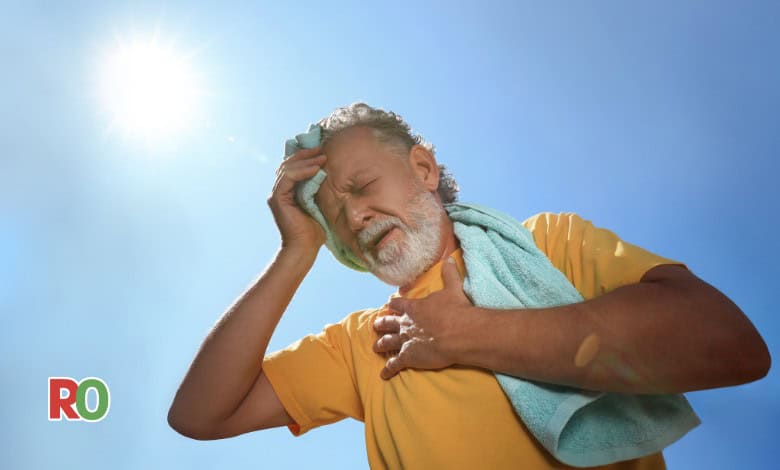
POLOKWANE – With the South African Weather Service warning of persistently high temperatures across Limpopo this week, residents are urged to take precautions against heat-related illnesses, which can become life-threatening if left untreated.
Heatstroke is a medical emergency that can be fatal without immediate treatment. Knowing how to recognise the warning signs of heat exhaustion and distinguish them from those of heatstroke could save a life.
Heat exhaustion: The warning sign
Think of sweating as your body’s built-in air conditioner. When you get hot, your brain sends more blood to your skin and tells your sweat glands to release moisture. As that sweat evaporates into the air, it cools you down.
Heat exhaustion is your body’s warning system flashing red. It happens when this natural cooling system gets overwhelmed and stops working properly, usually because you have lost too much water and salt from sweating heavily in hot conditions.
If you are out in the sun for too long, doing hard physical work, or not drinking enough water, your body’s cooling system starts to run dry. With the “air conditioner” failing, your core temperature begins to rise, and your body sends out warning signs – like feeling weak, dizzy, nauseous and exhausted.
While heat exhaustion is serious and needs to be treated quickly, it is not the same as heatstroke. If it is ignored and the body keeps overheating, it can escalate into heatstroke.
Look out for:
- Heavy sweating
- Cool, pale and clammy skin
- A fast, weak pulse
- Nausea or vomiting
- Muscle cramps
- Tiredness, weakness or dizziness
- Headache or fainting
What to do:
- Move the person to a cooler place, preferably indoors with air conditioning or shade
- Loosen their clothing
- Apply cool, wet cloths to their skin
- Have them sip water slowly
- If they are vomiting, stop giving them fluids
Heatstroke: A medical emergency
If heat exhaustion is your body’s warning system flashing red, heatstroke is the system failing completely.
It is a medical emergency that happens when your body’s core temperature rises to dangerous levels and your cooling mechanism shuts down entirely. You may not be sweating at all.
This is when things turn critical as your brain and internal organs start to overheat.
Look out for:
- A high body temperature, 40°C or higher
- Hot, dry skin (no sweating)
- Confusion, agitation or slurred speech
- Loss of consciousness, seizures or a coma
- A throbbing headache or dizziness
- Rapid, shallow breathing
- A fast, strong pulse
What to do:
- Call an ambulance immediately. This is a life-threatening emergency.
- Cool the person down while you wait for help. Move them to a cool, shaded area or an air-conditioned room.
- Remove excess clothing.
- Apply ice packs to the neck, armpits and groin, where blood vessels are close to the skin.
- Sponge the person with cool water and fan them to promote evaporation.
- Do not give them fluids if they are not fully conscious, as they could choke.
Who is most at risk?
Outdoor workers, sportspeople, children, the elderly and people with chronic illnesses are most vulnerable.
Never leave anyone, especially children or pets, in a parked car, even for a minute.