Matlala and Moletji benefit from new water networks
Over 570 households and small businesses in Ga-Ntlolane and Ga-Rapitsi are set to benefit from new municipal water infrastructure.
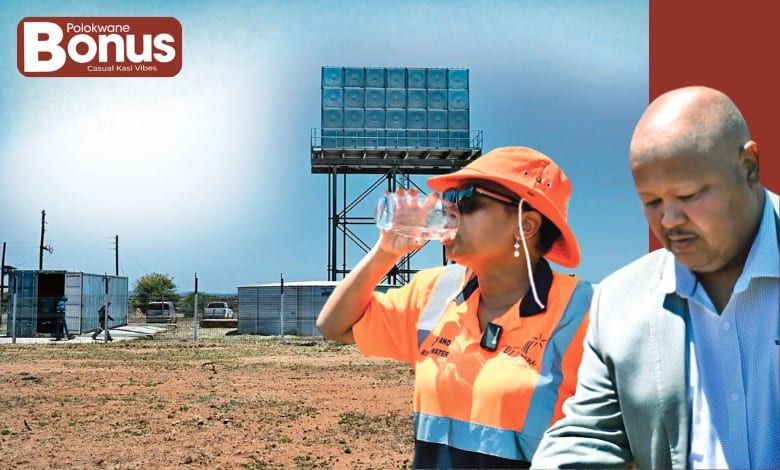
POLOKWANE – More than 570 rural households, tuckshops and brickmaking businesses in Ga-Ntlolane and Ga-Rapitsi are set to benefit from reduced water transport costs following the handover of new municipal water infrastructure.
The pipeline networks are expected to ease the burden on residents who previously had to carry water over long distances from damaged communal boreholes or buy it from alternative suppliers.
By connecting household yards directly to the water network, the projects aim to improve access to water and reduce operating costs for small businesses.
Delegation hands over infrastructure
Premier Dr Phophi Ramathuba and Acting Polokwane Mayor Joosuf Pemma led the delegation that handed over the two water networks on Thursday.
In Ga-Ntlolane village, the infrastructure includes a 250-kilolitre storage tank and a pumping system designed to supply 140 kilolitres of water a day to local households.
Technical records indicate that the groundwater requires salt-content testing before distribution. This is important because high salinity levels can contribute to corrosion and damage to pipeline infrastructure over time.
Ga-Rapitsi pipeline project
In Moletjie, the delegation handed over phase one of the Ga-Rapitsi water pipeline project, which cost R16.87m.
During construction, the project provided a temporary economic boost by employing 41 local workers and subcontracting six small businesses to assist with pipe installation.
The new infrastructure is expected to improve convenience for households and support local economic activity by bringing water closer to residents and businesses.
Maintenance key to long-term benefits
Sustaining these benefits, however, will depend on consistent municipal maintenance and proper groundwater management.
The Polokwane Municipality will need to monitor water quality and maintain the system to minimise corrosion and ensure the infrastructure remains reliable over the long term.