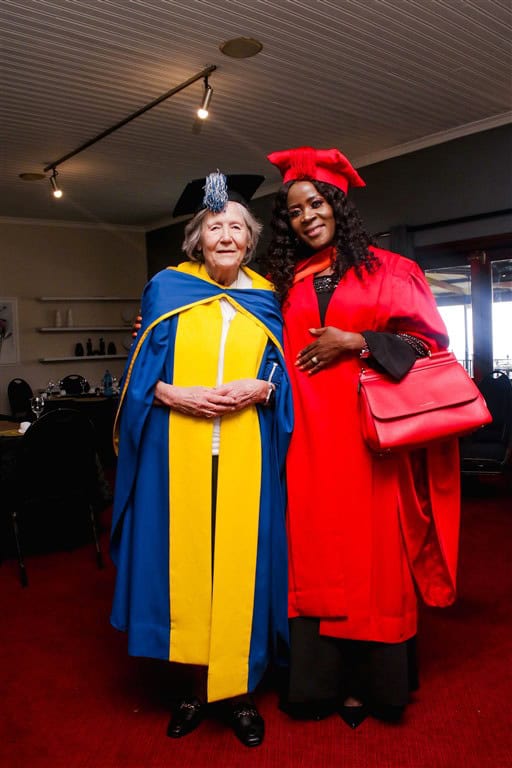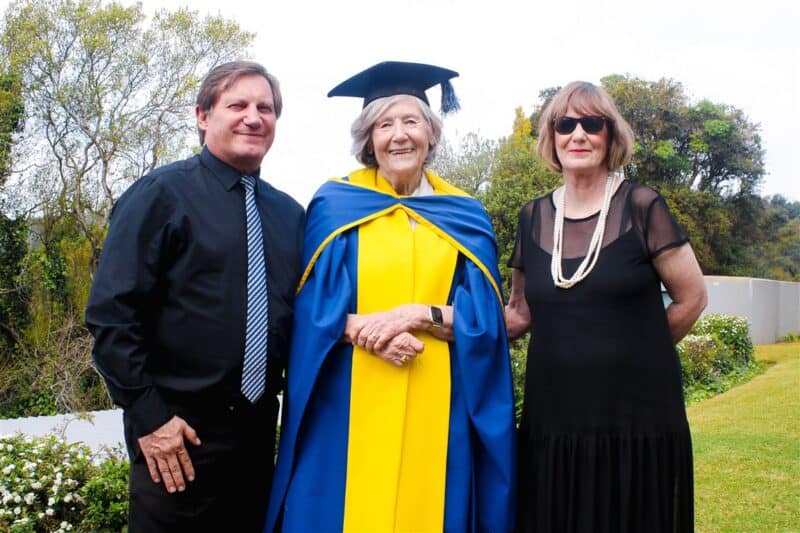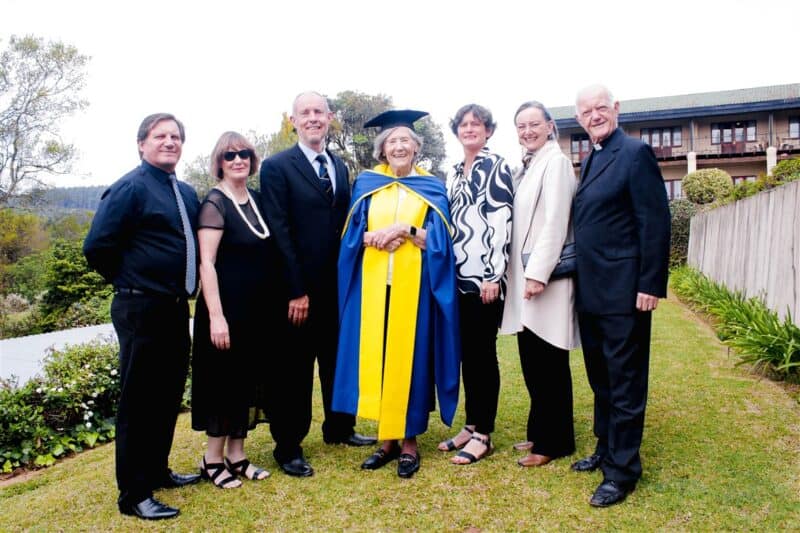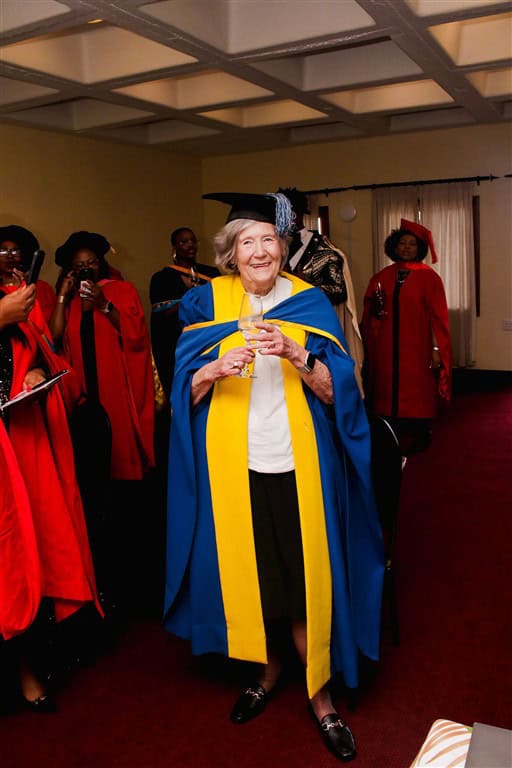
Prof Meyer on ADHD, genetics and the need for understanding
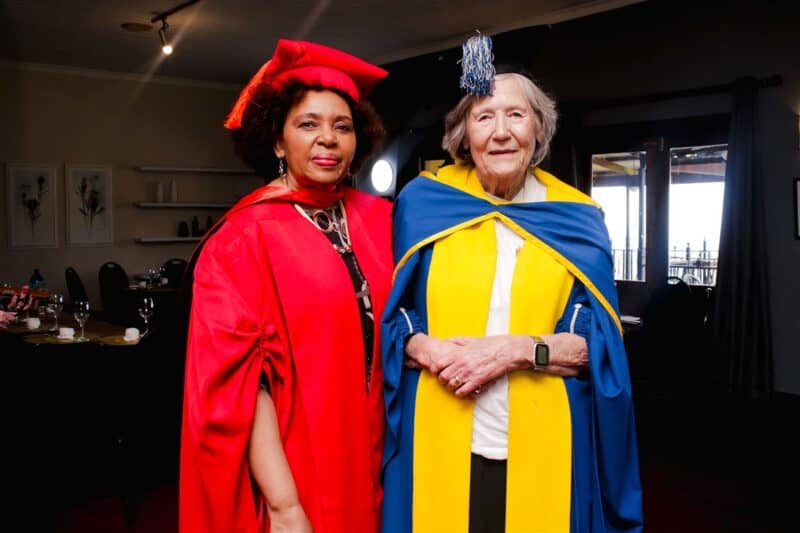
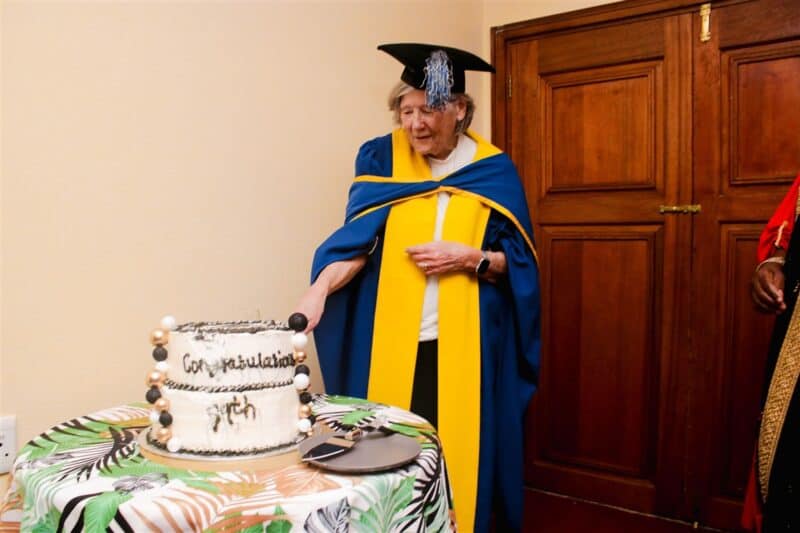
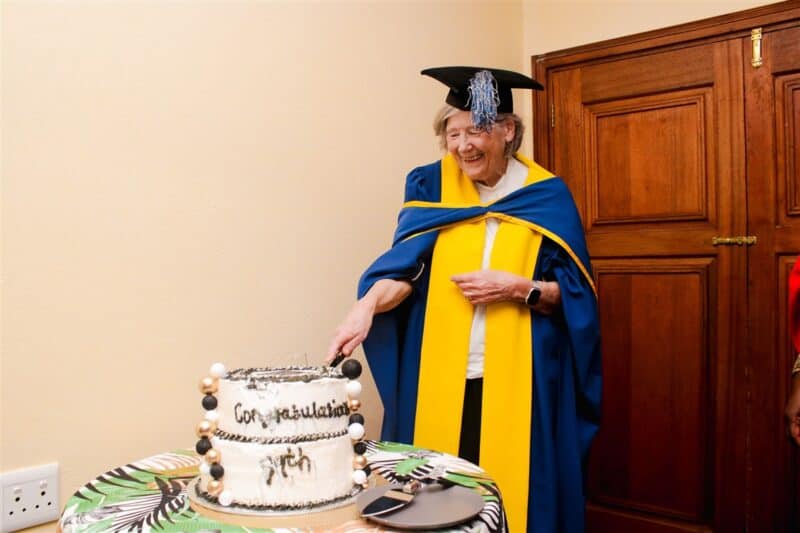
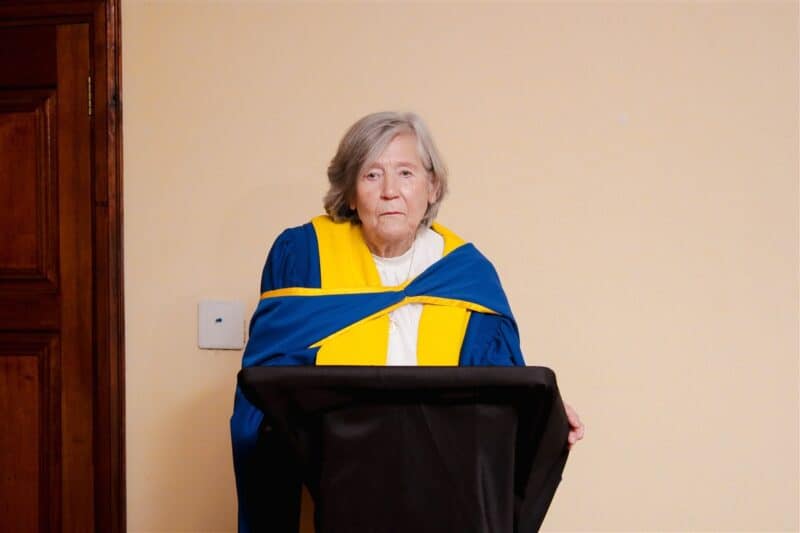
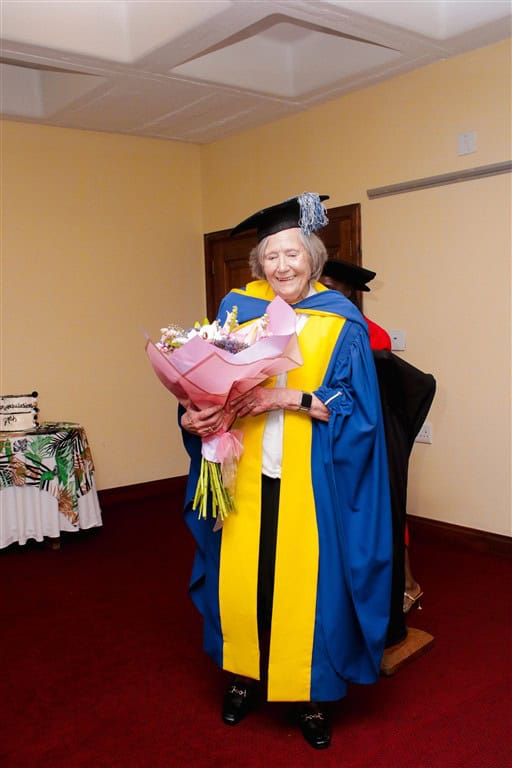
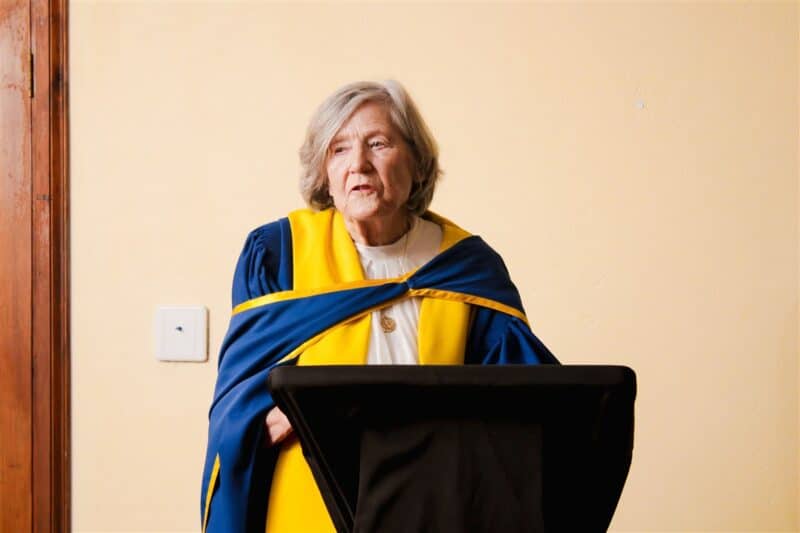
Prof Anneke Meyer from Haenertsburg has spent more than 30 years researching ADHD, exploring its genetic roots and the need for better diagnosis and teacher training in SA.
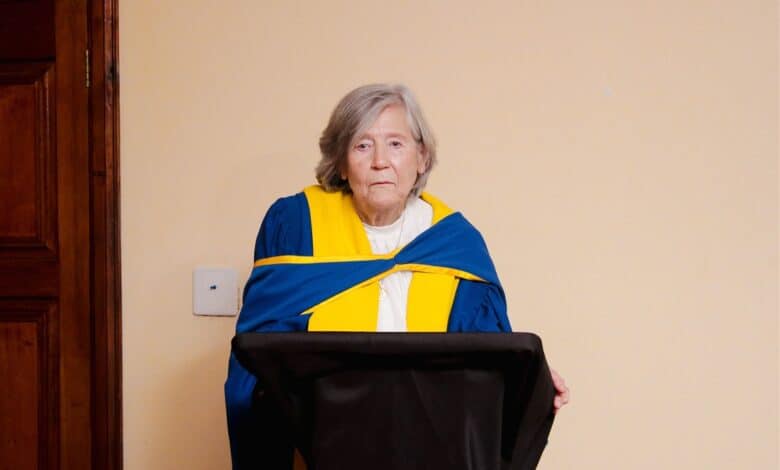
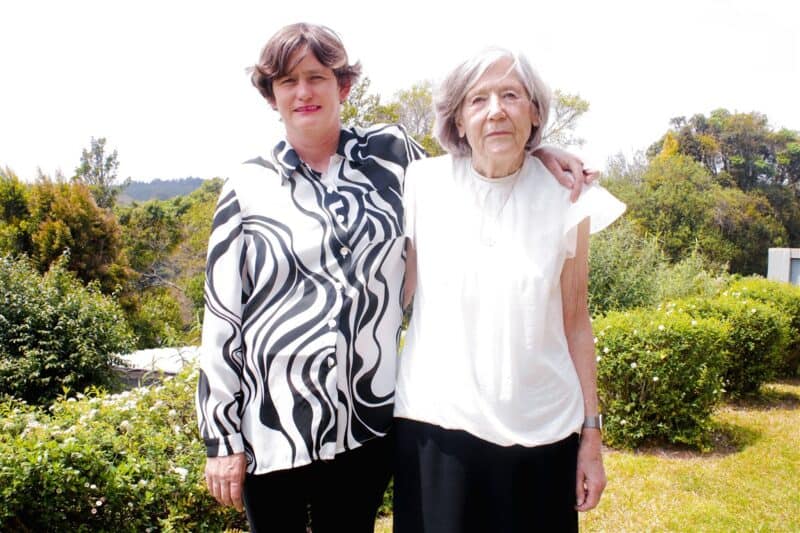
LIMPOPO – Prof Anneke Meyer’s daughter was diagnosed with ADHD and learning difficulties, a subject that would also shape Meyer’s research career for more than 30 years.
Born in the Netherlands, Meyer emigrated to South Africa at the age of 12.
A personal experience that shaped her career
“I was interested in genetics and started studying psychology at the University of Port Elizabeth to explore the influence of environment on human behaviour compared with genetics,” she says.
“The combination of biology and psychology led me to physiological psychology and neuropsychology.”
Exploring the genetic roots of ADHD
Her early research focused on brain maturity and learning difficulties in children. A collaboration with the University of Oslo introduced her to Professor Terje Sagvolden, a leading ADHD researcher.
Research involving seven ethnic groups, Meyer says, highlighted the significant genetic contribution to ADHD and related neurodevelopmental disorders, although environmental factors such as pollutants may also play a role.
She believes culture and environment have a limited influence on prevalence, noting similar rates among rural South African populations and urban populations in Europe and the United States.
Beyond naughtiness: Understanding ADHD
ADHD is often mistaken for naughtiness or poor discipline. Meyer explains that it involves differences in the brain’s dopamine system, which can affect behaviour and attention.
“This is why medication can be so helpful. Unfortunately, some parents fear that medication will make their children addicts,” she says.
Symptoms also change with age. Children may display physical hyperactivity and impulsiveness, while adolescents often experience inner restlessness. Adults may struggle with organisation and concentration. Depression can also accompany ADHD during adolescence.
The need for better training and diagnosis
Meyer strongly advocates teacher training to help educators recognise symptoms and adapt their approach. Frequent positive reinforcement, she says, can encourage better behaviour.
Without appropriate support, some children may develop oppositional defiant disorder or conduct disorder, increasing their risk of conflict with authority and substance abuse.
Although awareness is improving and some schools offer accommodations such as extra time and readers, Meyer believes gaps in knowledge remain, particularly among general practitioners prescribing medication without sufficient ADHD training.
One of her studies found that 20% of children receiving ADHD medication had been misdiagnosed. Some were referred by teachers who struggled to distinguish ADHD symptoms from typical childhood misbehaviour.
A lifelong condition that requires understanding
Warning signs include behaviour significantly younger than expected for a child’s age, difficulty waiting, restlessness, distractibility, and frequently forgetting or losing belongings.
Meyer stresses that ADHD is not simply a childhood disorder but a lifelong condition of which the symptoms change over time.
“Brain function is diverse, and we cannot categorise it,” she says. “Even among people with ADHD, there is enormous variability. Unfortunately, they do not always fit into our school systems and society’s many rules.”