
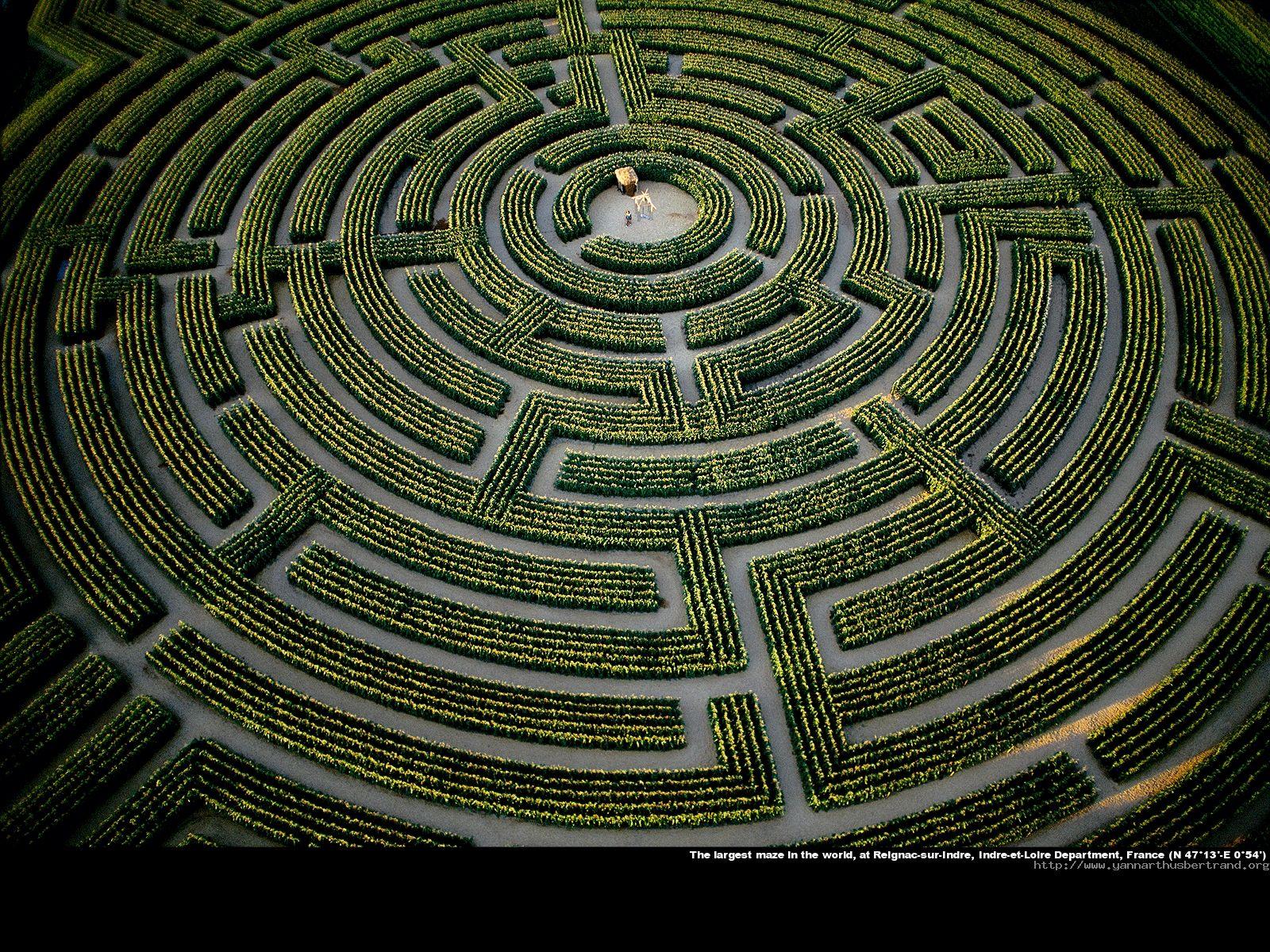
POLOKWANE – Labyrinth designs were found on pottery, tablets and tiles that date as far back as 5 000 years.
Many patterns are based on spirals and circles mirrored in nature. In Native American tradition, the labyrinth is identical to the medicine wheel and man in the maze.
The Celts described the labyrinth as the never ending circle. It is also known as the Ka bala in mystical Judaism. One feature labyrinths have in common is that they have one path that winds in a circuitous way to the centre.
The labyrinth design used by Lauren Artress is a replica of the eleven-circuit medieval labyrinth from Chartres Cathedral in France. This pattern, made of Beauce quarry stone and an unnamed black stone to delineate the path, was inlaid into the stone floor in 1201. For the last 250 years, however, it has been forgotten and covered with chairs until Artress led a small group of people into Chartres cathedral to remove the chairs to experience the meditative walk first hand.
After her experience in Chartres, she returned home to Grace Cathedral, San Francisco, painted the design on canvas and opened it to the public. In 1994 the indoor tapestry labyrinth, open during cathedral hours, was installed, and in 1995, the outdoor terrazzo labyrinth, open 24 hours a day, was installed in the Melvin E. Swig Interfaith Meditation Garden. Literally millions of people have walked these labyrinths. In the summer of 2007, Grace Cathedral replaced the tapestry labyrinth with a beautiful new limestone and marble labyrinth in the floor of the cathedral.
After introducing the labyrinth through the International Transpersonal Association in Ireland in 1994 and to Switzerland, Germany in 1995, her work began to focus intensely in both Grace Cathedral and Chartres Cathedral.
Labyrinths are currently being used worldwide as a way to quiet the mind, recover a balance in life, and encourage meditation, insight, self-reflection, stress reduction, and to discover innovation and celebration. They are open to all people as a non-denominational, cross-cultural blueprint for well-being.
The practice of labyrinth walking integrates the body with the mind and the mind with the spirit. They can be found in medical centres, parks, churches, schools, prisons, memorial parks, spas, cathedrals and retreat centres as well as in people’s backyards.
My dream is just to bring it to our community, but I still need your support in prizes, money benches and so many more.
To assist Lizél Britz in bringing the labyrinth to Polokwane, contact her at 072 243 7707 for more information.