Tell neighbours of your plans
IN many parts of the Western Cape, particularly on the coastline where there is a shortage of land to develop, there is an ongoing trend to renovate to the extent of the land the building is on, as well as to go upwards, but how far can the neighbours take their objections in the courts if they are against the alterations?
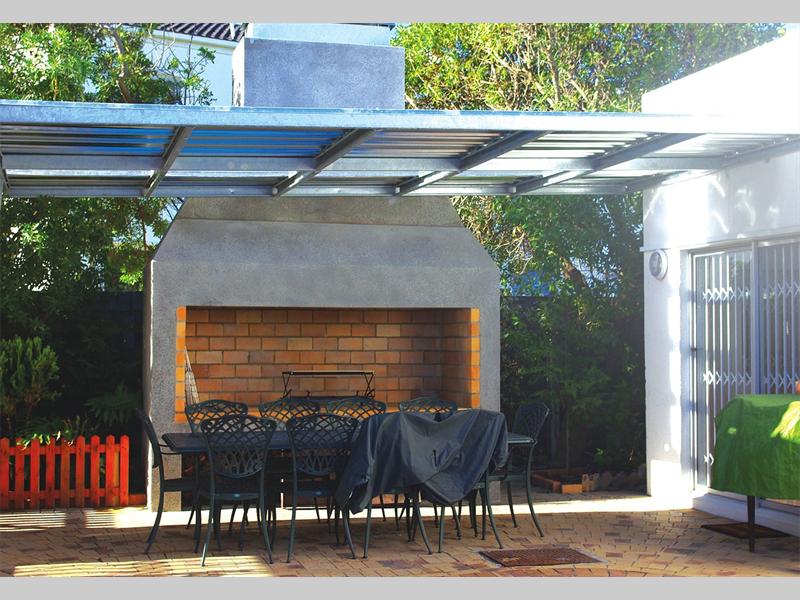
IN many parts of the Western Cape, particularly on the coastline where there is a shortage of land to develop, there is an ongoing trend to renovate to the extent of the land the building is on, as well as to go upwards, but how far can the neighbours take their objections in the courts if they are against the alterations?
Obstruction of views when people are renovating is an ongoing issue and is always problematic when it comes to the interpretations of building regulations, says Lanice Steward, managing director of Knight Frank Residential SA.
Many neighbours would object to renovations on the adjacent property if the new building were to detract from their views, the property value and privacy, and some are willing to pay huge sums of money to take their objections to court to prevent the renovations or building work taking place.
In a case recently covered in a Smith Tabata Buchanan Boyes property law update, Turnbull-Jackson vs Hibiscus Court Municipality and Others, Turnbull-Jackson objected to construction work that had begun on the property next to his, even though the municipality had approved the plans for the work being carried out by the owners, Pearl Star Investments.
Turnbull-Jackson’s argument was that it would detract from his sea views, privacy and the property value, and appealed against the plan approval.
Construction was stopped after an interdict was granted and revised plans were submitted.
The revisions were approved but, again, Turnbull-Jackson appealed and won.
Turnbull-Jackson was against the third version of the plans submitted, but this time his appeal was unsuccessful.
He took the matter to the high court, which was unsuccessful, but he refused to give up and took the matter to the Supreme Court of Appeals, which denied his application.
In a last attempt, Turnbull-Jackson then took the matter to the Constitutional Court and was unsuccessful.
“One would think that Turnbull-Jackson would have given in earlier and accepted that the construction was likely to go ahead, but in this case, he continued to halt the building works and spent huge sums of money in taking the matter to court after court,” says Steward.
“If you are the person planning to renovate, it is always advisable to approach your neighbours and discuss your plans with them first before submitting them for approval.
“Many neighbours are more accepting when they are approached first instead of being given a fait accompli.”
On approaching the neighbours while planning renovations, it might be necessary to make small concessions when discussing plans with them and being sensitive to their needs.
“Not to say that that would have appeased the neighbour in the case above, but had he been consulted beforehand, he might have been more amenable and the owners would not have had their project delayed for years,” she says.