
How to create an efficient study space
NO one homework spot will work for everyone, but follow these guidelines to create a study space that will work for your child.
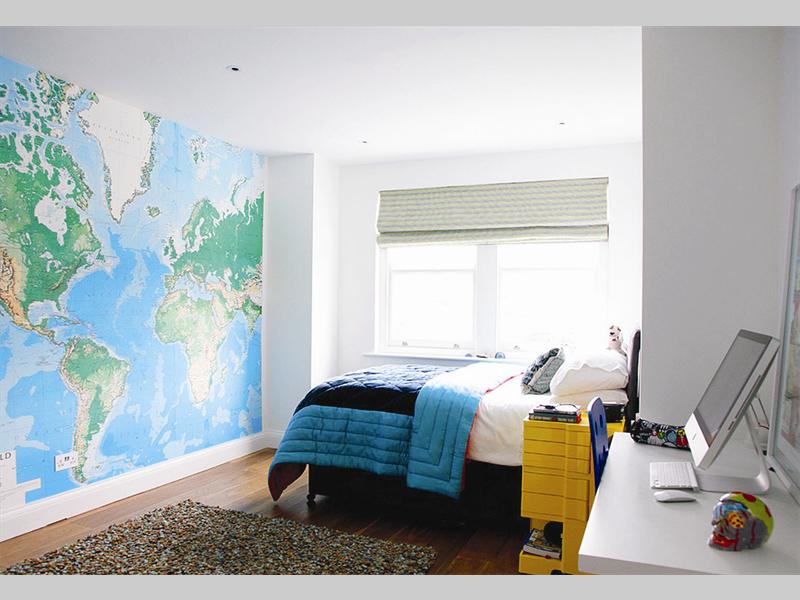
Photo: Supplied
NO one homework spot will work for everyone, but follow these guidelines to create a study space that will work for your child.
Set the scene: Are you a lone studier or do you need more activity to concentrate?
Solitude seekers might want to set up a space in a bedroom or an out-of-the-way spot.
If you thrive in a busier atmosphere or like to involve your parents in your homework, carve out a permanent corner of the kitchen or family room for studying. Try to keep distractions to a manageable level by steering clear of family thoroughfares.
Get comfortable: Are you too hot or too cold? Is there an irritating noise outside your window? Be sure your spot keeps you relaxed, focused, and alert. You might like to read on your bed, but if you fall asleep, you are no closer to completing that book report so maybe a cushioned chair is a better bet.
Ergonomic-it: Ideally, your work surface should be about waist-height. When you sit down, see if you can rest your elbows on the table without hunching up your shoulders and can put your feet flat on the floor, even if you don’t always sit that way.
If your chair is not the right height, try sitting on a pillow to raise your seat or tucking a shoebox under your feet to help them reach the floor. Slip a rolled-up blanket behind your back to keep it from getting sore. If you have a computer in your space, an anti-glare screen is great for keeping your eyes fresh.
Light it up: Seems kind of basic, but you’re going to get tired and distracted easily if you have to squint at your books or can’t see what you’ve written. Try a combination of overhead light and a reading or desk lamp you can aim at the books or computer screen.
Spread out: Make sure you can arrange your work so that you are not drowning in a stack of papers. If you have a computer on your desk, position it off to the side to make space for pen-and-pencil work too.
Stock up: What do you always find yourself hunting for? Scissors? A Calculator? Paper?
Try to keep supplies in one spot so you are not always hunting for things you need. Keep a calendar, to-do list, or planner of some kind so that you know what you have to do and when.
Organise it: Use boxes, drawers, organisers, whatever you like best, to keep your stuff tidy.
Ask a parent to help you and see if you can hang a bulletin board and wall calendar to help keep track of due dates and handy reminders.
It is also great to have a list of your classmates’ numbers who could help you if you forget an assignment or become stuck. We would recommend contacting the ones who get good grades.
Decorate: Personalise your space with posters, pictures, artwork, or anything else that is meaningful to you. You are going to spend some time there, so you may as well enjoy it.
You never know when gazing at that photo of your dog will generate a story or paper idea, or a picture of your team’s top scorer will inspire you to new homework heights. If you have a lucky hat or favourite sweater that helps you think, keep it close by.
Turn off the TV: I know, you are thinking “but noise makes me work better!”
Perhaps, but noise, something to watch, and something that might interest you more than maths is just going to distract you.
Try some background music and save the TV until you can give your favourite show the attention it deserves.