Extortion troubles Rayton and Cullinan’s business owners
“They threaten to delay collecting the refuse from businesses if they do not receive any soft drinks because they claim the refuse collectors receive meals from other establishments.”
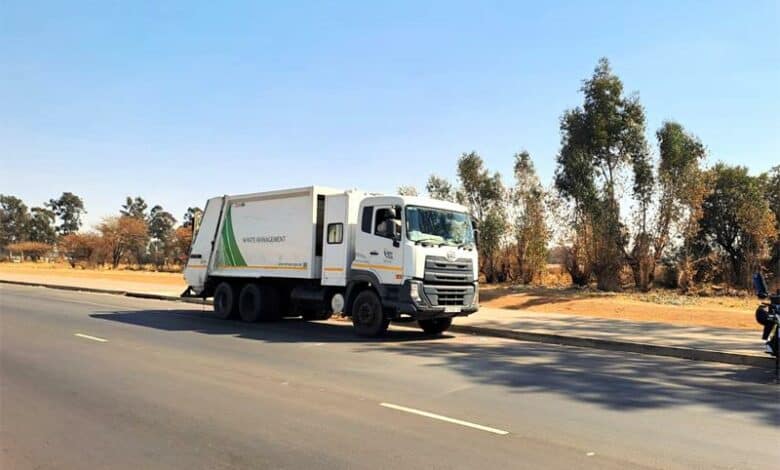
Refuse collectors in Rayton and Cullinan, expected to provide an essential public service, apparently exploit their positions by demanding gratuities. This is according to Johannes Bekker, the Tshwane Ward 100 councillor.
“Extortion by refuse collectors demanding soft drinks and meals from businesses has emerged as a troubling practice that undermines the integrity of urban waste management and poses significant challenges to local economies,” said Bekker.
He said the City of Tshwane-appointed contractors’ workers demand unsolicited gratuities in the form of food and beverages.
“They threaten to delay collecting the refuse from businesses if they do not receive soft drinks because the refuse collectors claim they receive meals from other establishments.”
ALSO CHECK: Dellies se 2024 matrieks neem afskeid in styl
Bekker said this places an unjust financial burden on these establishments and creates a toxic environment where intimidation and fear overshadow the lawful exchange of services.
“Business owners, often operating on thin margins, may feel pressured to comply with these demands to avoid delaying their waste collection or facing potential vandalism or other retaliatory actions from the collectors.
“It creates a vicious cycle where businesses feel compelled to facilitate corruption rather than focusing on their core operations and contributing to the local economy.
ALSO CHECK: Ext 15 residents accuse GMM of misleading them about water supply
“The erosion of trust in public service providers can have long-lasting impacts on community relations and the overall sense of security among business owners,” Bekker added.
He said Tshwane must implement stricter regulations and oversight mechanisms for waste management services to combat this practice.
“Transparency in operations, regular audits and an accessible reporting system for businesses could help empower victims of extortion to come forward.
“Ultimately, addressing extortion among refuse collectors is essential for the welfare of businesses and ensuring public services are delivered with integrity and respect for the communities they serve,” Bekker concluded.