Second invasive plant moves into the Bronkhorstspruit Dam
Pollution is at the root of the problem.
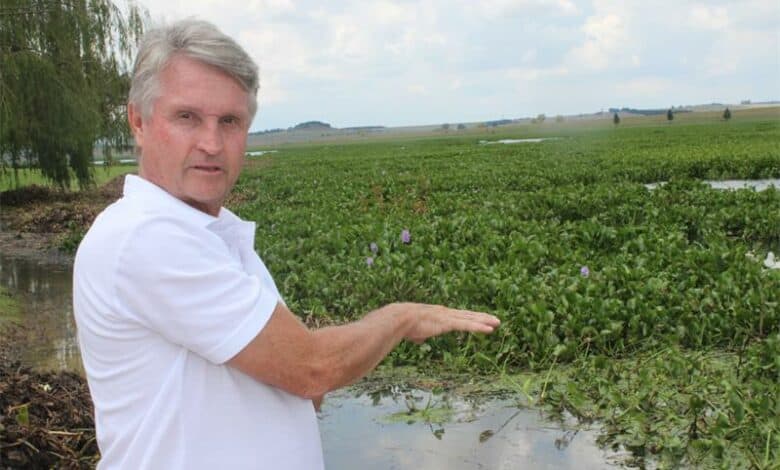
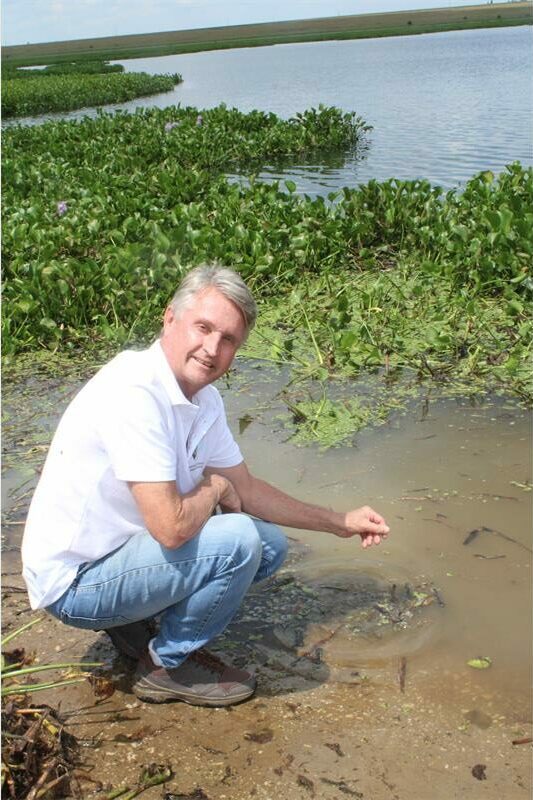
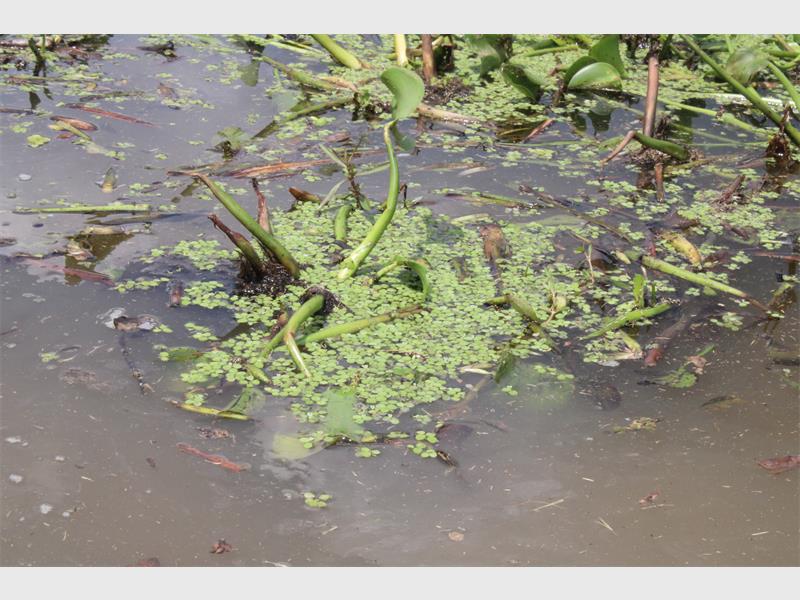
A new invasive aquatic plant, Salvinia Minima, has entered Bronkhorstspruit Dam, adding to the ongoing battle against water hyacinth.
According to Paddy Waller, director of the Bronkhorstspruit Catchment Management Forum (BCMF), the current hyacinth invasion appears to be keeping the small green blooms of Salvinia Minima from spreading uncontrollably.
New bug to combat Salvinia Minima
This invasive aquatic weed was first noticed a year ago.
“I found Salvinia Minima along the shoreline for about 1km. I can assume it has spread along the rest of the dam,” said Waller.
He attended the official launch on March 16 of a new biological control agent – a weevil or ‘bug’ – to specifically target Salvinia Minima in South Africa.
Since October 2022, the BCMF has been releasing Megamelus Scutellaris known as the water hyacinth planthopper, to control the hyacinth invasion.
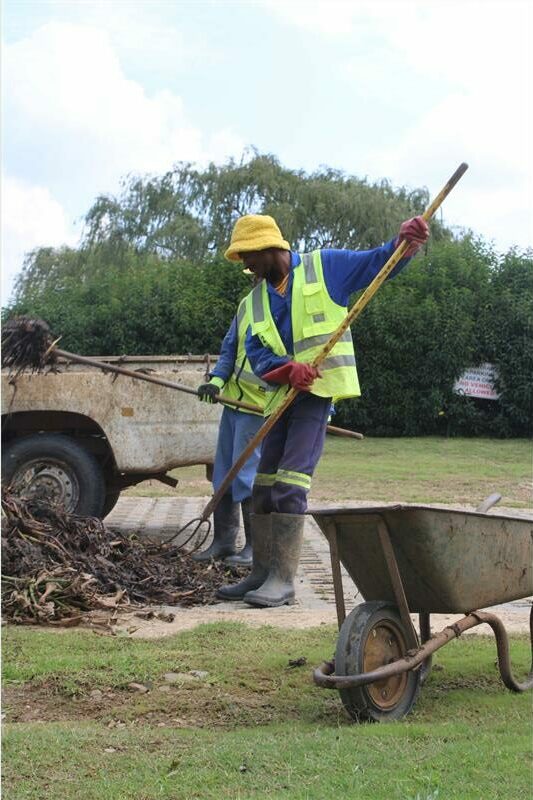
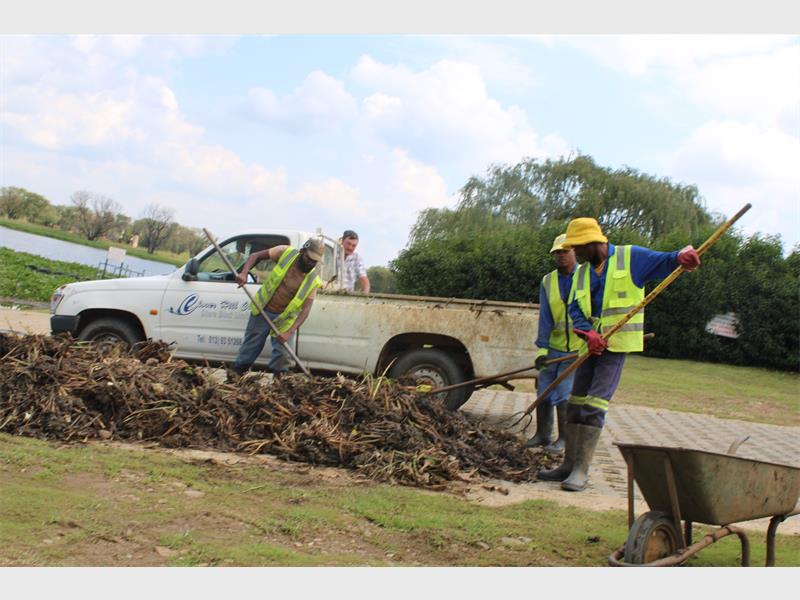
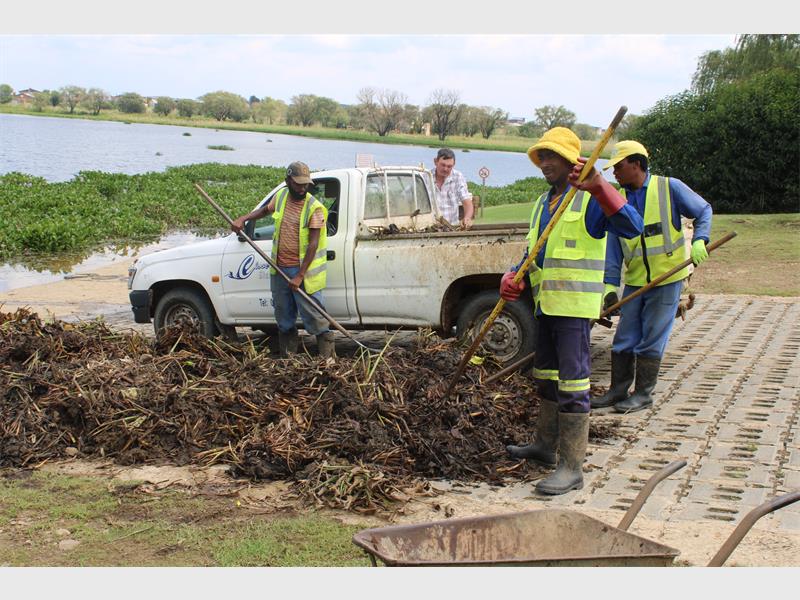
These insects have already made a visible impact and are a cost-effective addition to the costly labour-intensive manual and mechanical removal of the plants.
Pollution is the root of the problem
Despite these efforts, Waller stresses the actual issue is the water quality, which fuels the spread of invasive plants.
“The problem begins upriver, where dysfunctional sewerage plants and raw sewage pollute the waterways. These invasive plants thrive on the nutrients and phosphates from sewage,” he explained.
One key contributor is the Victor Khanye Local Municipality (VKLM), which was charged for polluting the Bronkhorstspruit River in previous years.
Innovative solutions to improve water quality
Recognising the need for a natural and sustainable approach, the BCMF is now working with VKLM to minimise its pollution footprint and comply with the Department of Water and Sanitation (DWS) regulations on discharge limits.
VKLM has signed a contract with Bio-Aire™ Khubeka, which manufactures biological aeration units that enhance biological activity in wastewater lagoons.
These units help:
• Reduce greenhouse gas emissions
• Eliminate sludge and toxic chemicals
• Produce a clean effluent that can safely discharge into freshwater sources.
“VKLM has signed a contract with Bio-Aire™ Khubeka for eight units to manufacture and installed at the Delmas sewerage plant, which will significantly improve the water quality flowing into Bronkhorstspruit Dam,” said Waller.
There are hopes, according to Waller, to expand this initiative by installing additional units at the Botleng sewerage works.
This innovative technology has proven successful and will be showcased at the DWS Indaba for Innovation Exhibitors at Gallagher Estate at the end of March.
Vetiver floating wetland pilot project
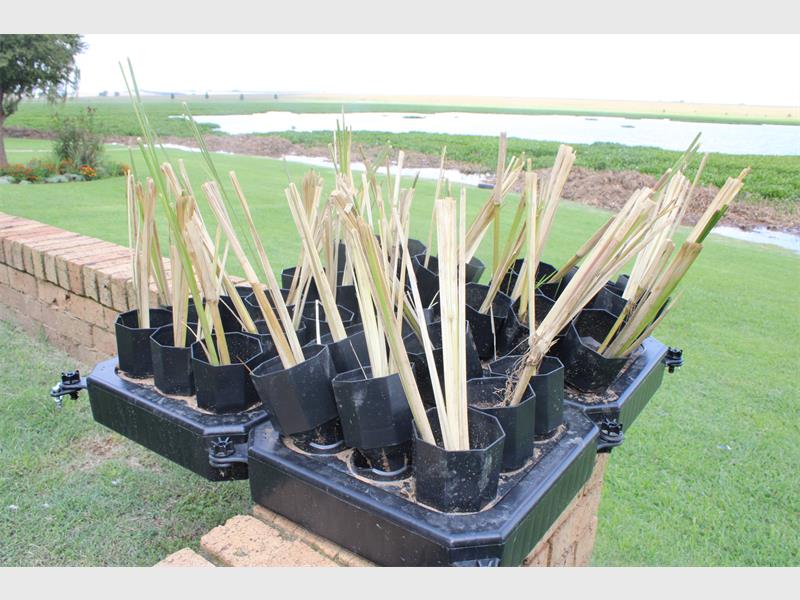
Another promising pilot project led by the BCMF is the introduction of vetiver floating wetlands. This system is still in its early stages. It can remove up to 58% of pollutants from the water.
Waller reassured residents these vetiver reeds are sterile and will not spread, meaning they pose no risk of becoming invasive.
“We are excited about these projects and their potential to restore the dam’s health without causing further environmental damage,” he concluded.
ALSO CHECK: Lekwa Community Forum takes on deteriorating roads
ALSO CHECK: WATCH: Gert Sibande College students protest over financial aid issues