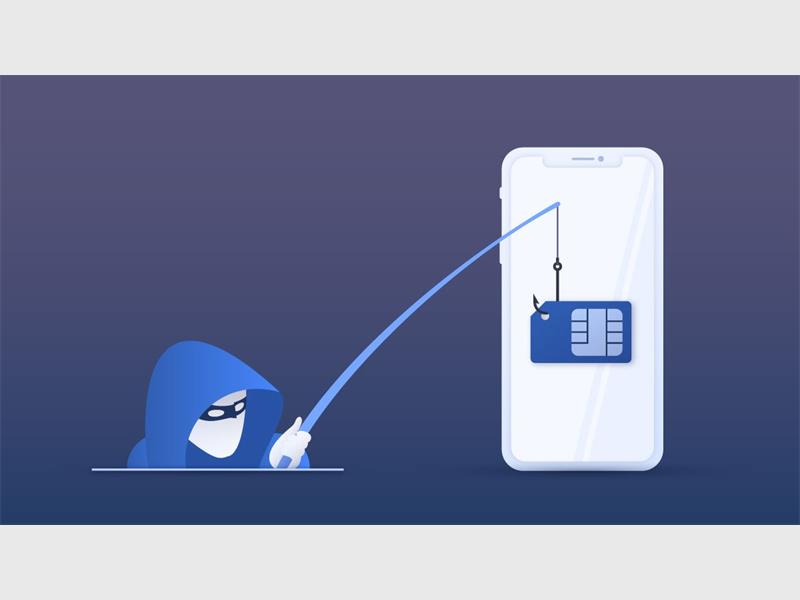
The Roodepoort Police Station has alerted community members to be vigilant, as the SIM swap scam is still rife in the community.
SIM swap fraud has unfortunately become another reality all network operators and customers around the world have to face, as criminals constantly work to find new ways to beat fraud-prevention systems.
Fraudsters send you a harmless looking Trojan or email and get access to your basic bank account details and your mobile number. Then they call you and pose as your service provider’s agents and ask for your personal details required for verification. After getting your information, they call your service provider and request the number to be ported to another phone. They give all the details that are required and swap your SIM. They then have access to all you details, and can perform online banking transactions on your behalf.
There has been an increase of more than 200 per cent in the number of incidents of mobile banking fraud involving a SIM swap, according to the annual crime stats released by the South African Banking Risk Information Centre (Sabric).
“They will state that a SIM swap is required, and then replace your card with one of theirs. The card that they insert, downloads all the personal data that is on your phone, including your online banking information. Members should be aware,” Captain Juanita Yorke, Roodepoort Police spokesperson said.
Residents are urged not to give out their details, and if they receive a phone call from a ‘service provider’, not to hand over their details, but rather visit their nearest store to prevent being a victim of SIM swap fraud.
To avoid becoming a victim of SIM swap fraud, follow these tips provided by Sabric:
• If reception on your cellphone is lost, immediately check what the problem could be, as you could have been a victim of an illegal SIM swap on your number. If confirmed, notify your bank immediately.
• Inform your bank when your cellphone number changes so that your cellphone notification contact number is updated on its systems.
• Register for your bank’s cellphone notification service and receive electronic messages relating to activities or transactions on your accounts as and when they occur.
• Regularly verify whether the details received from cellphone notifications are correct and according to the recent activity on your account. Should any detail appear suspicious, contact your bank immediately and report all log-on notification that are unknown to you.
• Memorise your PIN and passwords, do not save them on your phone.
• Make sure your PIN and passwords cannot be seen when you enter them.
• If you think your PIN and/ or password has been compromised, change it immediately, either online or at your nearest branch.
• Choose an unusual PIN and password that are hard to guess and change them often.
• Do not give out your personal information over the phone, rather go and see the people in person.
• Do not allow anyone to change your SIM card and enter an unknown SIM card into your phone.